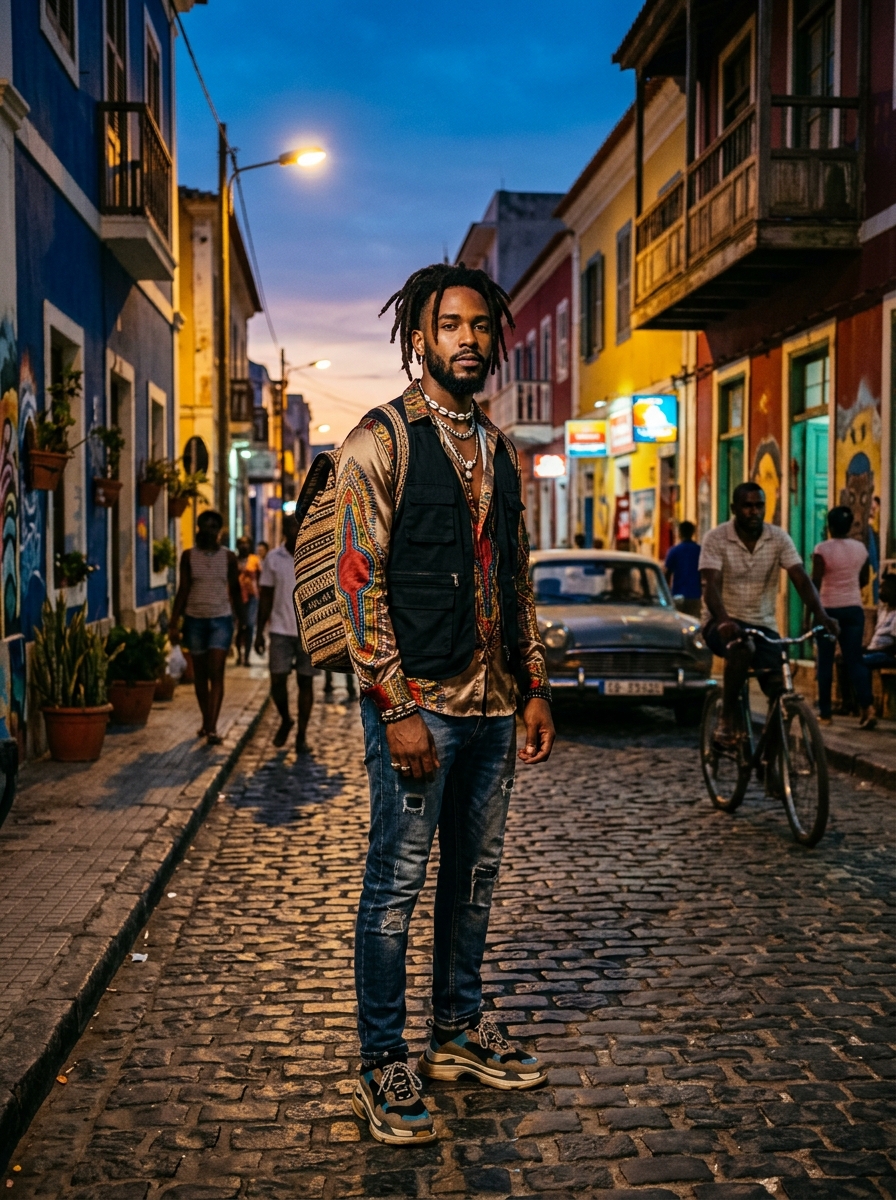
Cape Verde Just Checked In
The Blue Sharks turned the world's head, and now everybody wants a piece of those Atlantic shores.
Let's be honest — before Cape Verde's national football squad started dismantling giants on the world stage, most people couldn't find the archipelago on a map. Ten islands sitting pretty off the coast of West Africa, baking in permanent sunshine, wrapped in volcanic drama and colonial cobblestone charm. The Blue Sharks didn't just play football — they played a forty-five-minute tourism campaign every single match, and the world watched, rewound, and booked flights. You cannot buy that kind of advertising. You can only earn it, and Cape Verde earned every click, every search, every wide-eyed traveler now landing at Amílcar Cabral International asking where the beach is.
And what a beach it is. Sal and Boa Vista are the heavy hitters — white sand so fine it feels synthetic, water that shifts from turquoise to deep cobalt depending on the hour, consistent trade winds that have made the islands a kitesurf mecca long before the football hype arrived. But this place has always been more than a postcard. Santiago carries the weight of history in its bones, São Vicente pulses with Morna music and a port-city cool that feels like Havana met Lisbon and never left. The food hits different too — cachupa stew, grilled barracuda, sugarcane grogue that will rearrange your evening plans entirely.
Here is where the conversation gets real though. Cape Verde is a small-island nation with a population barely cresting 600,000 people, and infrastructure that was built for boutique tourism, not the tidal wave now incoming. Hotels are at capacity on peak weekends. Roads on some islands are still catching up to ambition. Fresh water is a genuine resource conversation the government is having out loud. The authenticity that makes this place magnetic — the unhurried pace, the local bar where the fishermen eat — is exactly what mass tourism historically destroys first. The question is not whether visitors are coming. They are coming. The question is whether Cape Verde can scale smart enough to protect the culture that made it worth visiting in the first place.
Our advice? Move now, before the resort chains fully arrive and the vibe gets franchised into something forgettable. Learn a few words of Kriolu. Eat where there are no menus in English. Rent a quad and get lost on Sal's salt flats at golden hour. The Blue Sharks put Cape Verde on the map — the real ones will explore it before everyone else catches up.