LOCKED IN: HOW THE PREGAME PLAYLIST BECAME THE MOST POWERFUL MOMENT IN SPORTS CULTURE
Before the first whistle blows, the real game is already being played through headphones, and the world has been watching ever since.
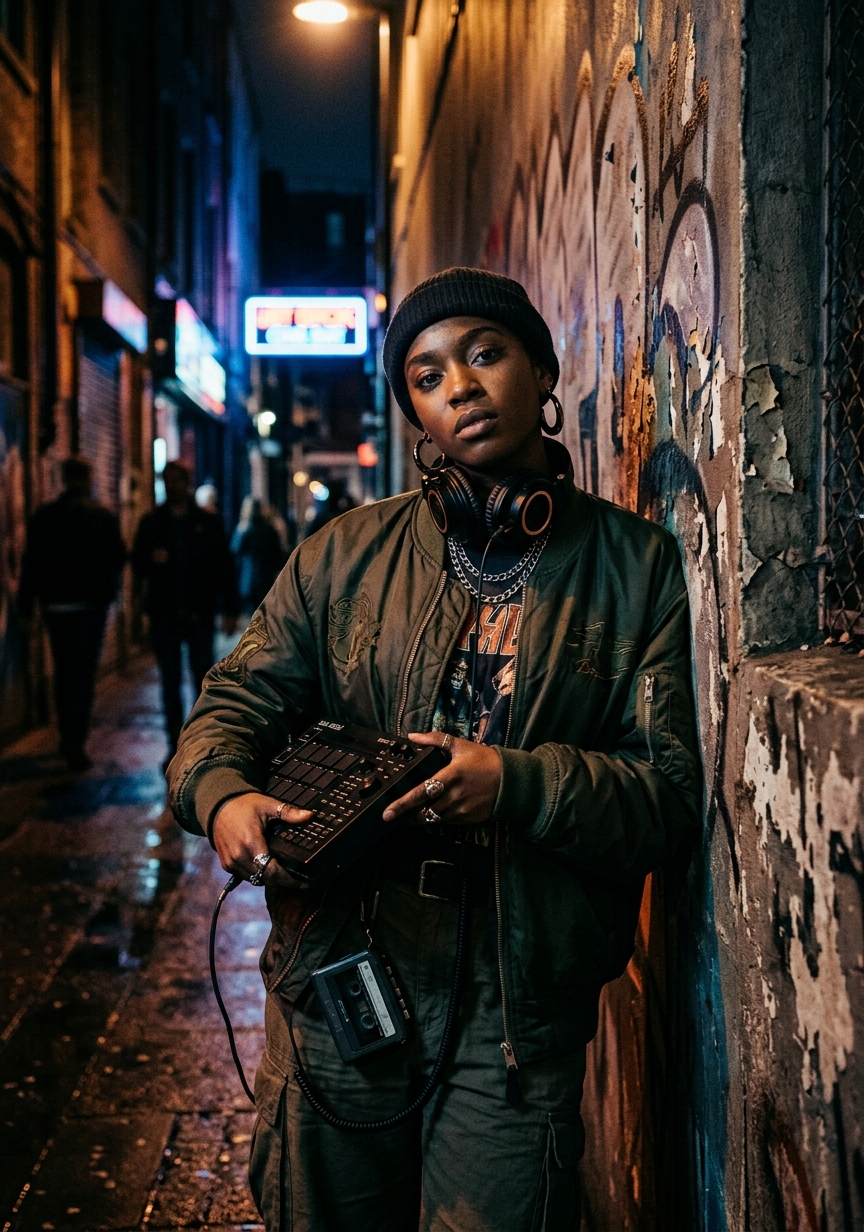
Walk into any professional locker room two hours before tip-off, kickoff, or first pitch and you will not find silence. You will find a congregation. Beats bleeding through Beats by Dre headphones, custom AirPods, and thousand-dollar wireless setups that cost more than most people's rent. Athletes have always leaned on music as the psychological bridge between civilian life and the arena, but somewhere between Allen Iverson rapping on wax and LeBron James curating Spotify playlists that crash servers the moment they drop, that private ritual became a full-blown cultural transmission signal. The pregame walk is no longer just preparation. It is a broadcast.
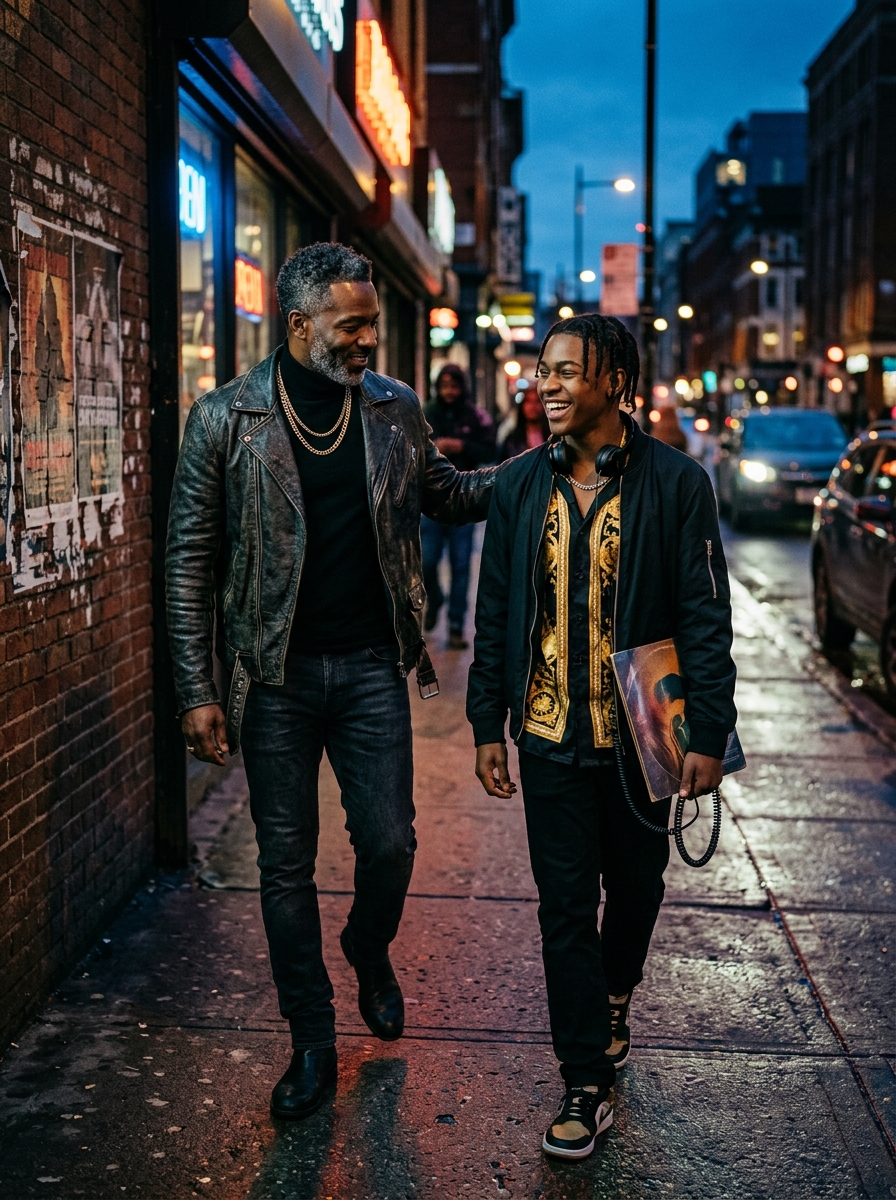
The ripple effect on fashion alone rewrote the entire rulebook. When players started arriving to stadiums in custom fits, record labels on their chest and unreleased tracks pumping through their ears, they turned tunnel entrances into runways that Vogue editors and streetwear designers scrambled to decode. Nike and Jordan Brand did not miss the assignment either, engineering signature headphone colorways, artist collaborations, and shoe drops timed to playoff runs because they understood the truth before anyone said it out loud. The athlete is the DJ, the model, and the tastemaker all compressed into one figure walking sixty feet of concrete before sixty thousand people lose their minds.
Technology accelerated everything. Spotify, Apple Music, and TIDAL built entire editorial strategies around athlete playlists because the data confirmed what the culture already felt. When Damian Lillard drops his pregame queue or Saquon Barkley names the track that gets him locked in, streaming numbers spike within the hour. Hardware companies chased the same energy, with Beats becoming practically synonymous with professional sports locker rooms and newer brands like JLab and Sony throwing eight-figure endorsement money at athletes who treat headphones the way previous generations treated jewelry. The product is the ritual and the ritual is the content.
What makes this moment genuinely historic is that the power dynamic has flipped completely. Labels used to chase radio programmers. Now they chase the forty-five seconds of footage where a first-round pick walks off a charter plane with a hoodie, an unreleased track audible through his headphones, and fifty million eyes already on his phone screen waiting to Shazam whatever is playing. Hip-hop built the blueprint for turning preparation into performance, and athletes absorbed that lesson so completely that the pregame playlist is now as culturally loaded as the game itself. The locker room is a studio. The tunnel is a stage. And the music playing inside those headphones might just be the most influential thing nobody in the building can fully hear.