NO BORDERS ON THE PITCH
The 2026 FIFA World Cup isn't just a tournament — it's the loudest proof yet that football belongs to everyone and everywhere.
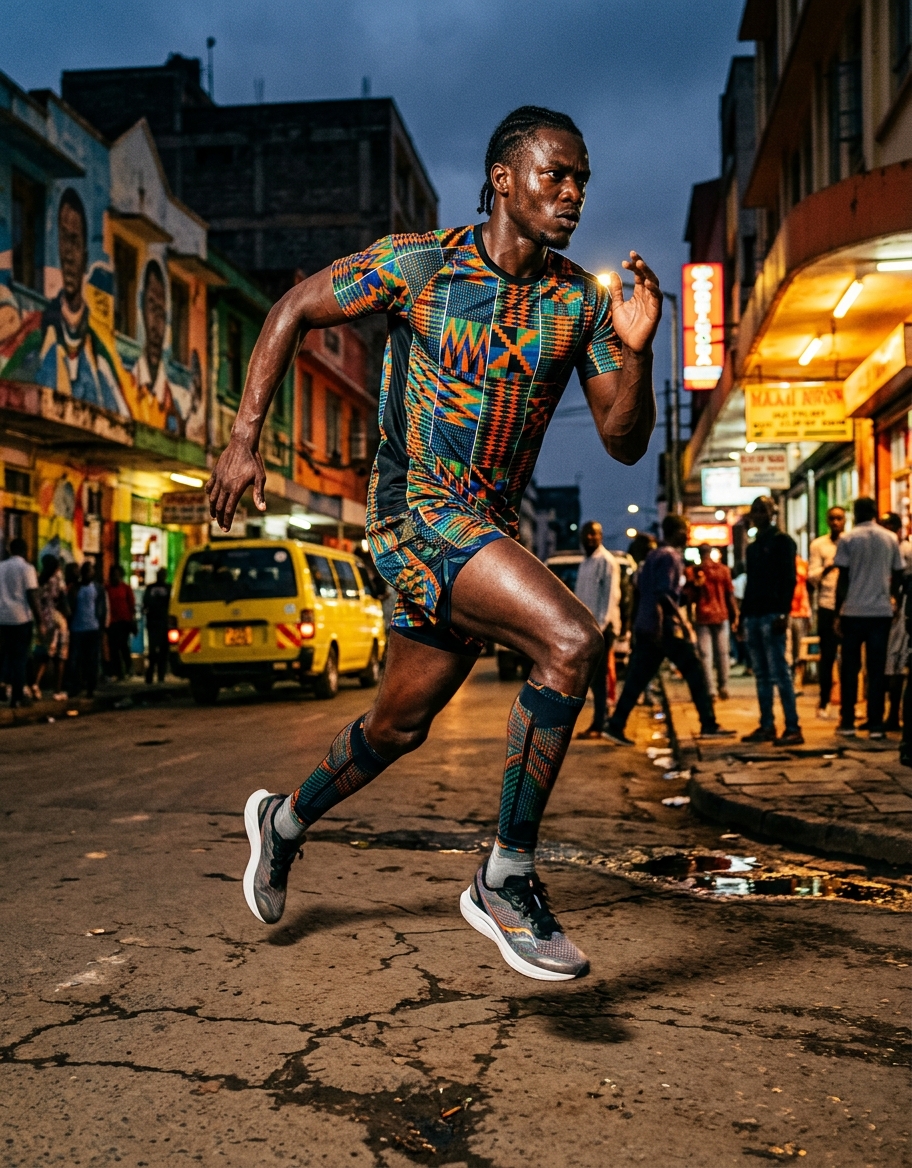
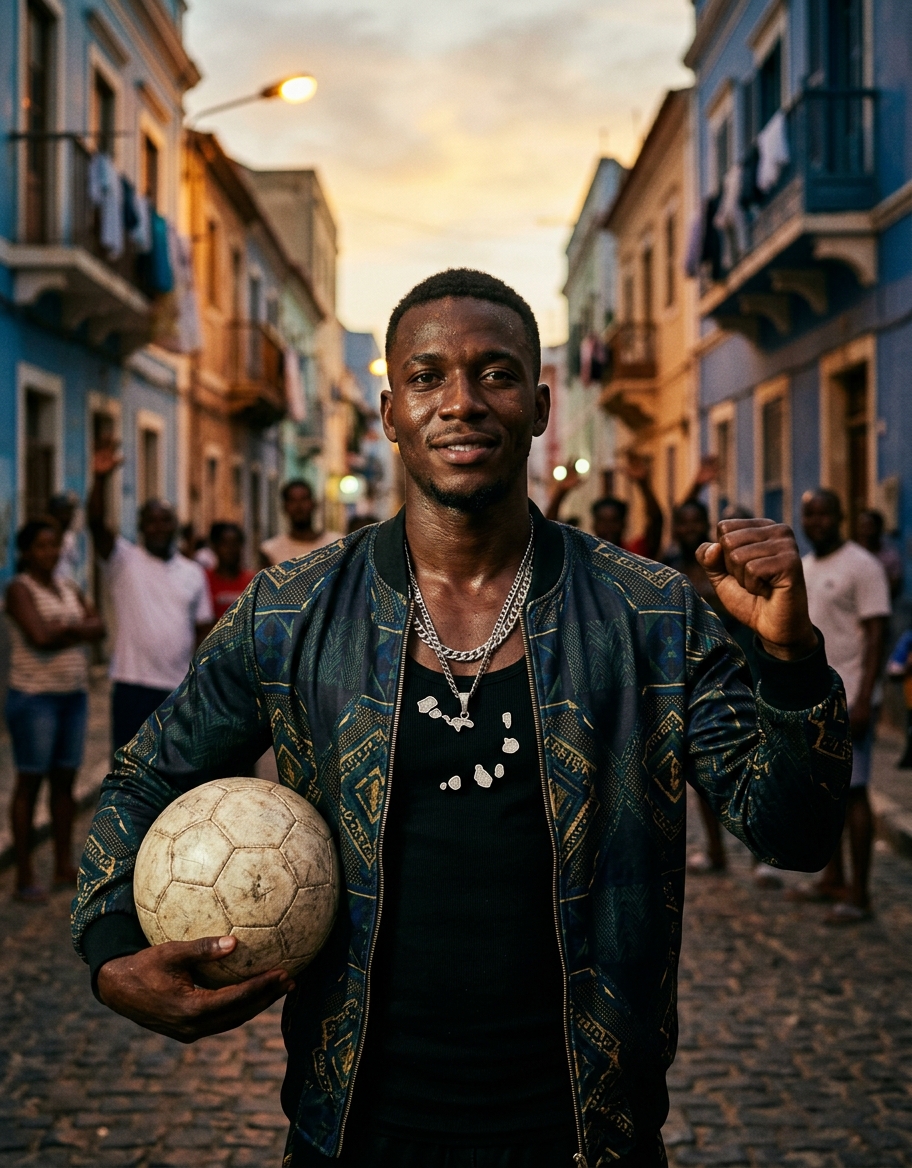
Something shifted this summer. Walk through any city hosting a 2026 match — New York, Los Angeles, Toronto, Mexico City — and the flag culture hits you like a freight train. It is not just scarves and painted faces anymore. It is full runway moments. Morocco red and green draped over vintage denim. Senegal white and green blocked with fresh Forces. Portugal's crimson stitched into custom bombers. The flag has become the fit. Supporters are not just repping nations — they are making statements about identity, lineage, and belonging that no stylist sitting in a Paris atelier could have scripted. This World Cup has cracked the culture wide open, and fashion ran straight through the gap.
But here is where it gets complicated — beautifully, uncomfortably complicated. The question of who plays for who has never carried more weight or more controversy. Two decades of mass migration, asylum movements, diaspora relocation, and dual-citizenship paperwork have completely rewired the global football map. A kid born in Bamako, raised in Lyon, schooled in London, and holding three passports is not an anomaly in 2026 — he is Tuesday. Federations are hunting talent across continents, phone calls are being made, grandparents' birthplaces are being excavated. Algeria is calling players from French academies. The United States is mining European development systems. Morocco swept up half the Atlas Lions from Belgian and Dutch clubs. The recruitment game has gone full geopolitical.
The athletes caught in the middle are navigating decisions that feel less like career choices and more like declarations of self. Which flag do you stand under when an anthem plays and the cameras find your face? Which soil do you honor when your family tree bends through four countries? Stars like Nico Williams proved Spain's multicultural depth while simultaneously sparking conversations about Ghanaian heritage and the roads not taken. Lamine Yamal became a symbol. Moise Kean kept Italy talking. Every squad announcement this cycle read like a sociological document as much as a tactical one. The pressure on these young men is immense — cultural, political, deeply personal.
What 2026 has confirmed, louder than any previous tournament, is that sport is no longer a geography lesson — it is a living, breathing portrait of how the world actually moves. The game was always global in ambition. Now it is global in blood, in accent, in lived experience. And the culture around it — the fashion, the music bumping outside stadiums, the sneakers on the pitch, the flags repurposed into high-concept streetwear — reflects that truth without apology. NERO SUN has been saying it: the convergence is real. The borders were always the fiction. Football just finally stopped pretending otherwise.