Black Gold, One Blood
The Caribbean is done playing small — and oil just might be the fuel that turns regional unity from a dream into a dynasty.
For decades, CARICOM sat at the table of global politics like a player with a hand full of aces who never quite learned to bluff. Fifteen nations, thousands of islands, one collective voice that the world could conveniently ignore between hurricane seasons and resort bookings. But something is shifting in the salt air. The bloc is maturing — sharpening its elbows, reading the room — and the discovery of massive offshore oil reserves, particularly in Guyana, has handed the Caribbean a card it has never held before: leverage.
Guyana is the story nobody outside the region wants to lead with, but everybody behind closed doors is sweating over. Since ExxonMobil confirmed some of the world's largest deepwater oil discoveries off its coast, Guyana has gone from one of South America's most overlooked nations to a geopolitical hotspot with GDP growth numbers that make Wall Street analysts do a double take. The ripple effect across CARICOM is real. Trinidad and Tobago has long been the region's energy anchor, but Guyana's emergence has flipped the script — suddenly, the Caribbean isn't just a destination for extraction, it's a boardroom.
 Hip Vodka Island life
 What makes this moment different from previous resource booms that left the people behind? Intention. CARICOM leaders are increasingly talking about the Caribbean Single Market and Economy — the CSME — not as a bureaucratic talking point but as an actual operating framework. When energy revenue is on the table, political will tends to follow the money. Barbados Prime Minister Mia Mottley has been preaching a gospel of regional sovereignty and climate justice on the world stage, and her voice carries weight precisely because the Caribbean is now bringing something tangible to the negotiation — not just vulnerability, but value.
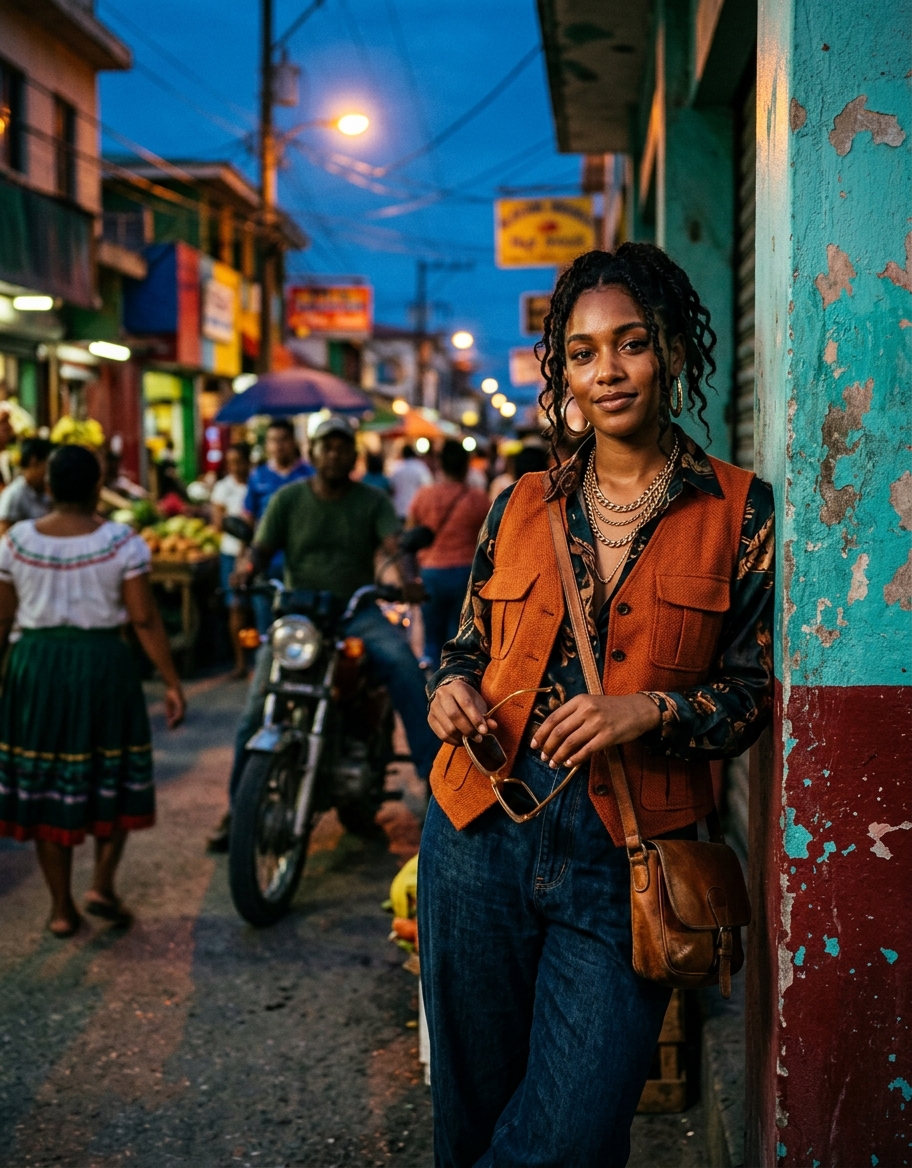
Travel through the region right now and you feel it on the ground. Georgetown, Guyana has the electric, chaotic energy of a city rewriting its own story. New hotels, new restaurants, new money moving through streets that ten years ago had no reason to rush. Port of Spain still pulses with that old confident swagger — this is a city that invented the global energy deal on a handshake and a doubles wrapper. Nassau is watching. Kingston is calculating. The Caribbean is not one monolith, but for the first time in a long time, its pieces are looking at each other like collaborators instead of competitors.
The challenge, as always, is making sure the wealth doesn't evaporate into foreign corporate structures and the pockets of a chosen few. The Dutch Disease — that cruel economic paradox where resource booms hollow out everything else — is a real threat. But there's a generation of Caribbean economists, policymakers, and entrepreneurs who studied the mistakes of the Gulf states and the failures of West African oil nations and are actively designing a different playbook. Sovereign wealth funds, local content laws, intra-regional investment pipelines — the vocabulary of sophisticated resource management is being spoken in creole and patois now, and that matters.
The Caribbean has always been one of the most culturally potent regions on Earth, punching above its weight in music, sport, fashion, and spirit in every sense of the word. Now it is beginning to match that cultural gravity with economic mass. CARICOM unity has been a beautiful idea for fifty years. Oil might just make it an undeniable fact. Watch this sea change — because when the Caribbean decides it's done being underestimated, the rest of the world is going to need a minute to catch up.