Boardroom to Block: How Corporate Dress Codes Rewrote the Sneaker Playbook
The suit isn't dead — it just got fresh kicks, and the office finally caught up to what the culture already knew.
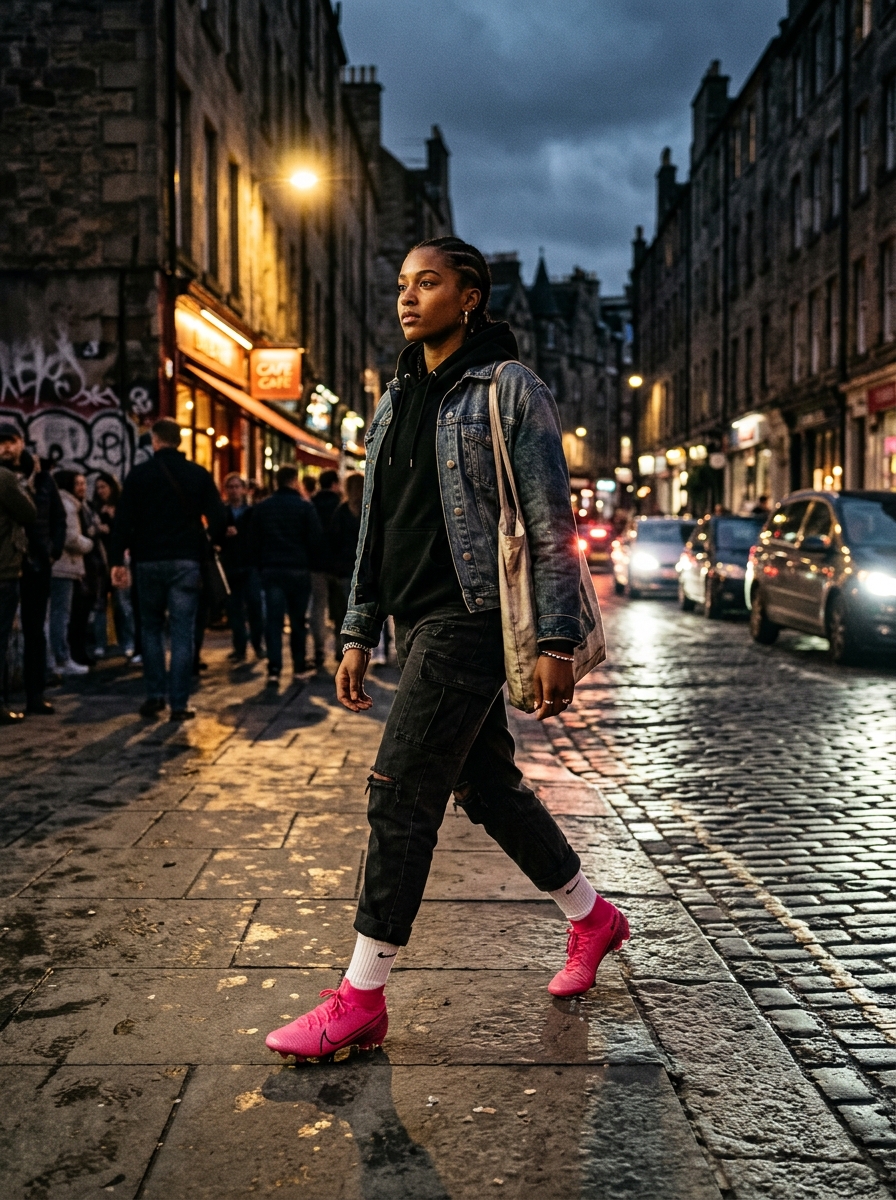
Something seismic happened between the corner office and the corner store. Corporate America — long the enemy of self-expression, the enforcer of stiff oxfords and sensible loafers — quietly waved the white flag. The dress code memo changed, and when it did, the entire sneaker economy shifted with it. Clean white runners started showing up in conference rooms. Black-toe casual shoes got paired with tailored suits. Prom night started looking like a streetwear runway. The line between formal and fresh didn't just blur — it evaporated entirely, and the culture has been sprinting through that open door ever since.
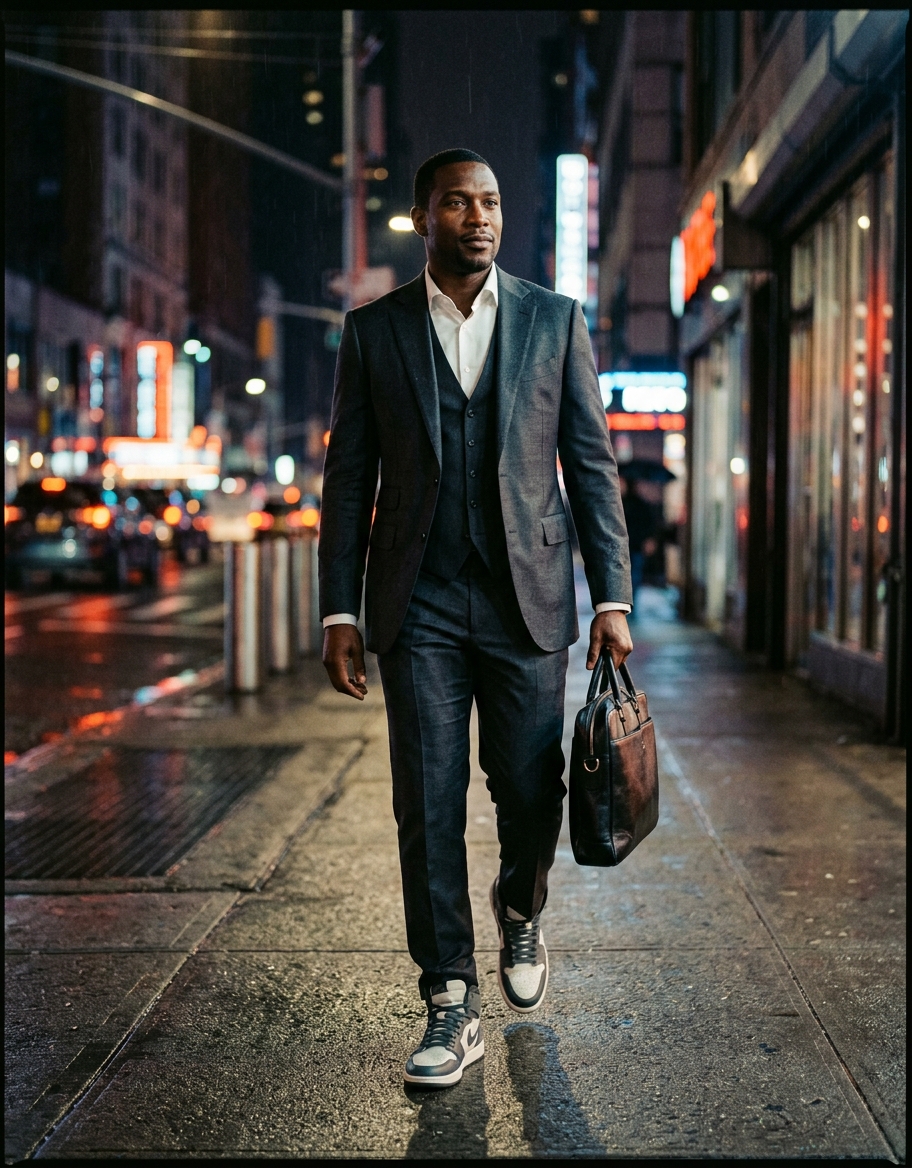
The look that's dominating right now is surgical in its simplicity: a sharp black or navy suit, fitted clean, paired with a stark white-soled casual shoe or a premium runner that costs more than the suit itself. It's the aesthetic that Virgil Abloh was whispering about for years — the idea that elevation lives in the contrast. White runners with prom suits became the defining image of a generation refusing to separate their street identity from their milestone moments. Gen Z didn't ask for permission. They just showed up — to graduation, to the gala, to the job interview — in their Adidas, their New Balance, their Air Force 1s, and dared anyone to say something. Nobody did.
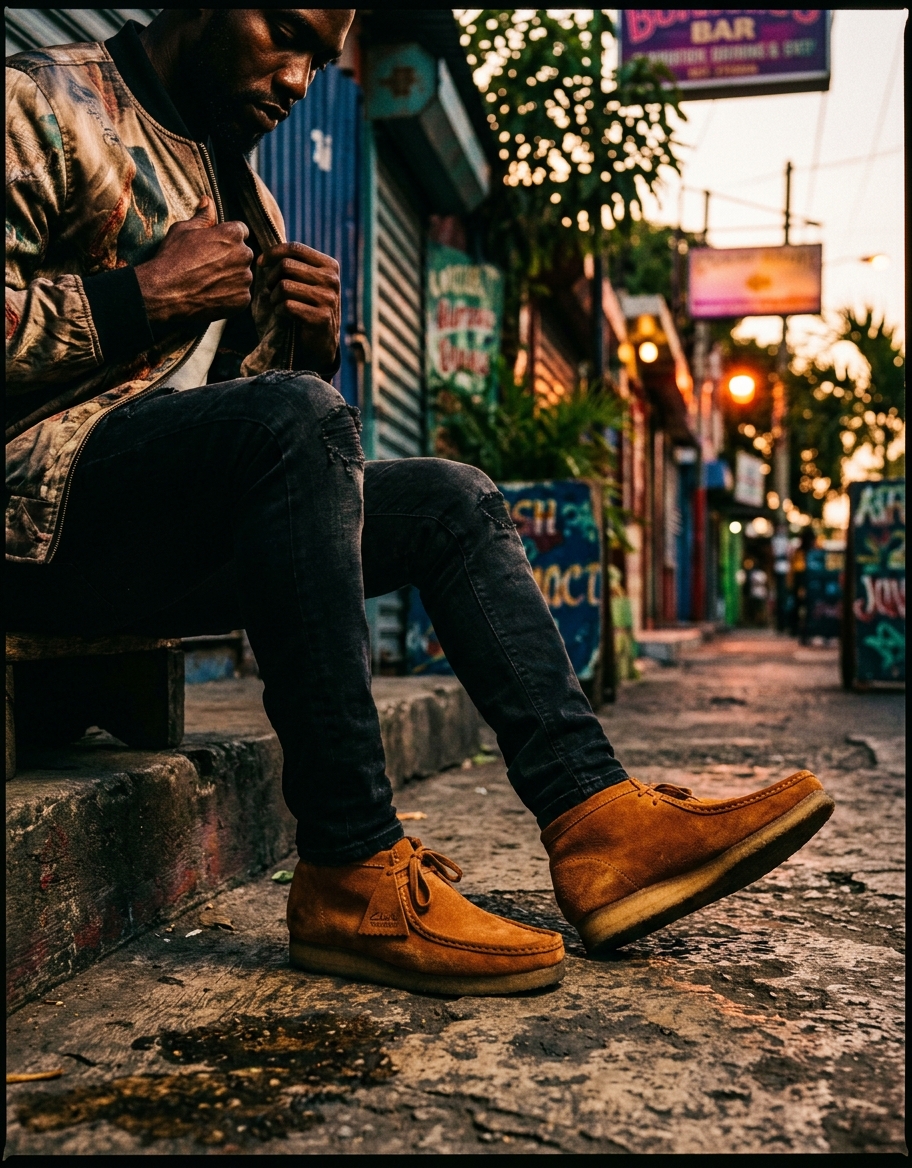
So which brands are eating in this new era? The top ten casual shoe labels reshaping the corporate-casual intersection right now are: New Balance, Nike, Adidas, Clarks, Vans, Converse, Asics, Saucony, Common Projects, and Filling Pieces. What's telling about this list is the range — from heritage court shoes to Scandinavian luxury minimalism to Japanese running archives. New Balance became the unofficial uniform of the creative director class. Common Projects made a plain white sneaker worth four hundred dollars feel like the only logical choice for a boardroom entrance. Clarks brought the Wallabee back from nostalgia into necessity. Every one of these brands understood the assignment before the assignment was even written.
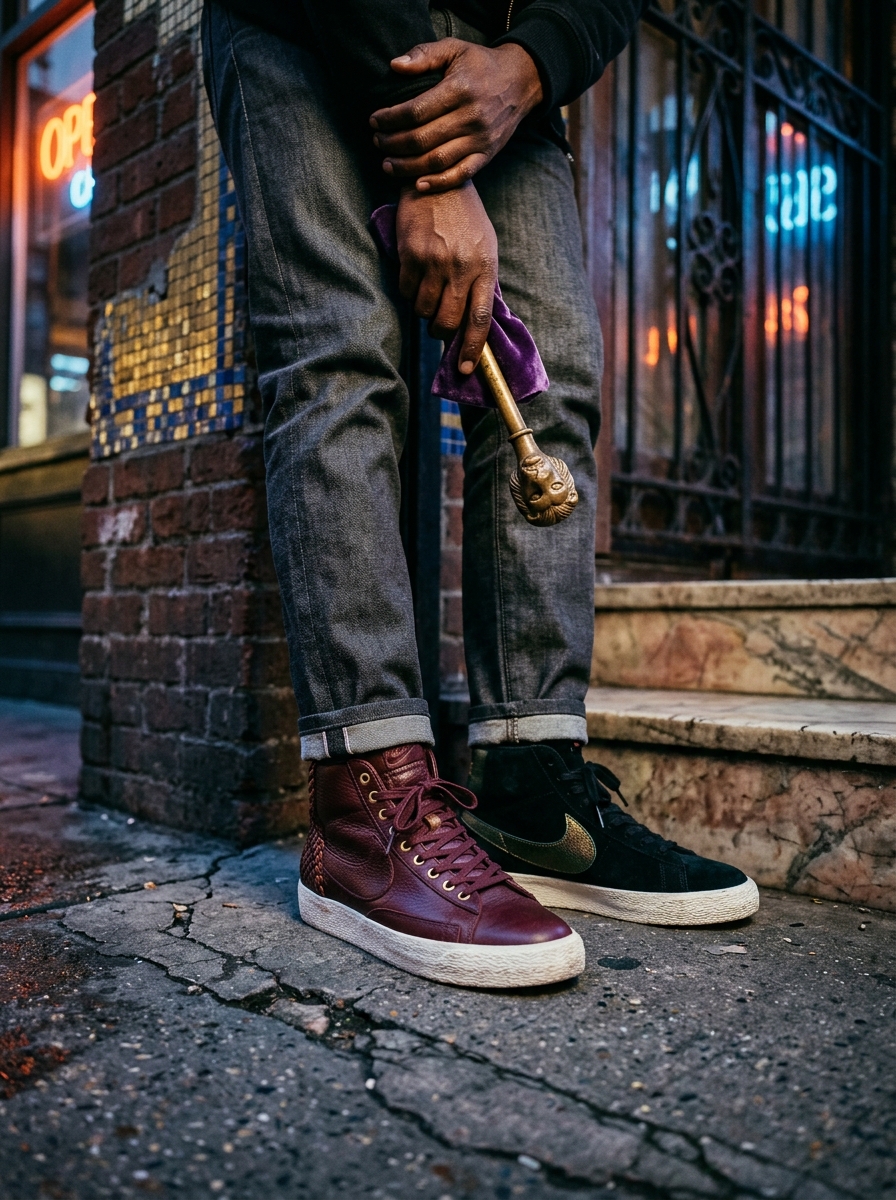
The cultural ripple goes deeper than aesthetics. When the office started accepting casual footwear, it handed communities that built their entire identity around sneaker culture a long-overdue validation. Sneakerheads who were once told to leave their passion at the door are now setting the standard inside the building. Hip-hop's obsession with clean footwear — documented across three decades of verses, videos, and album covers — turned out to be a preview of where professional dress was inevitably heading. The suit didn't kill the sneaker. The sneaker absorbed the suit, made it relevant again, and handed it back with a fresh crease and a box-white sole. That's not fashion evolution. That's culture winning.