Crown Shift
African luxury is rewriting the rules of street fashion while the old guard scrambles to keep up.
Let's be honest for a second. When was the last time you saw someone pull up to a cookout, a gallery opening, or a rooftop set in a fresh pair of Air Jordans and everybody in the room lost their mind? That energy is fading. The cultural voltage that once made a Nike swoosh or three Adidas stripes feel like a war cry has dimmed considerably, and the streets are starting to notice. The question is no longer whether the old guard is slipping. The question is who is stepping into that vacuum and planting a flag.
Nike and Adidas are not dead. Let's not be dramatic. They still move units, still sign athletes, still drop collaborations that generate headlines. But headlines are not the same as heartbeats. The brand loyalty that once felt like religion now feels like habit. You lace up the Jordans because that is what you know, not because it is saying something new about who you are. Adidas rode the Yeezy wave until that wave crashed on a very ugly shore, and the recovery has been awkward at best. Nike has leaned so hard into nostalgia that their retro drops feel less like moments and more like museum exhibits. Reverence is not the same as relevance.
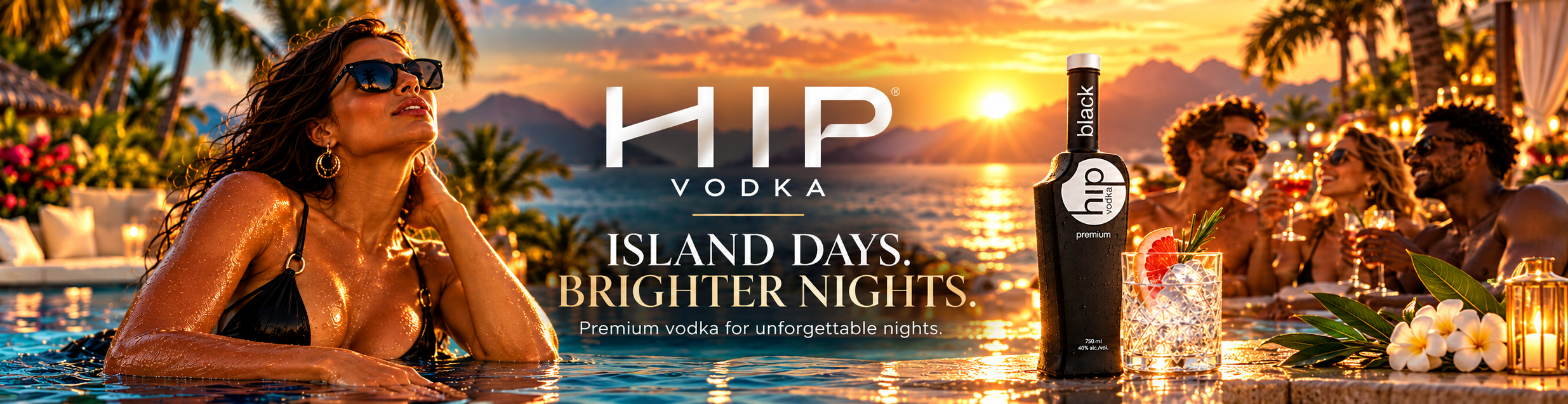 Hip Vodka Island life
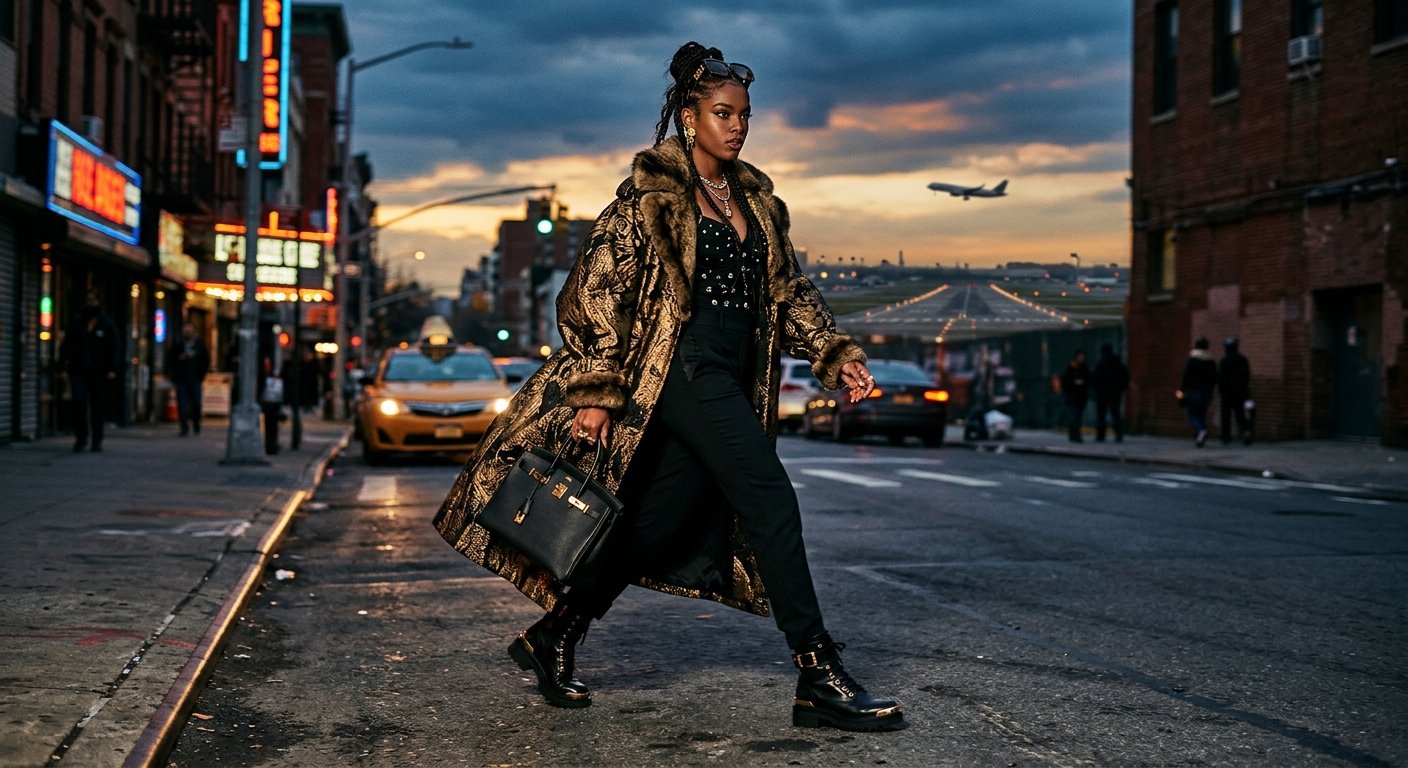
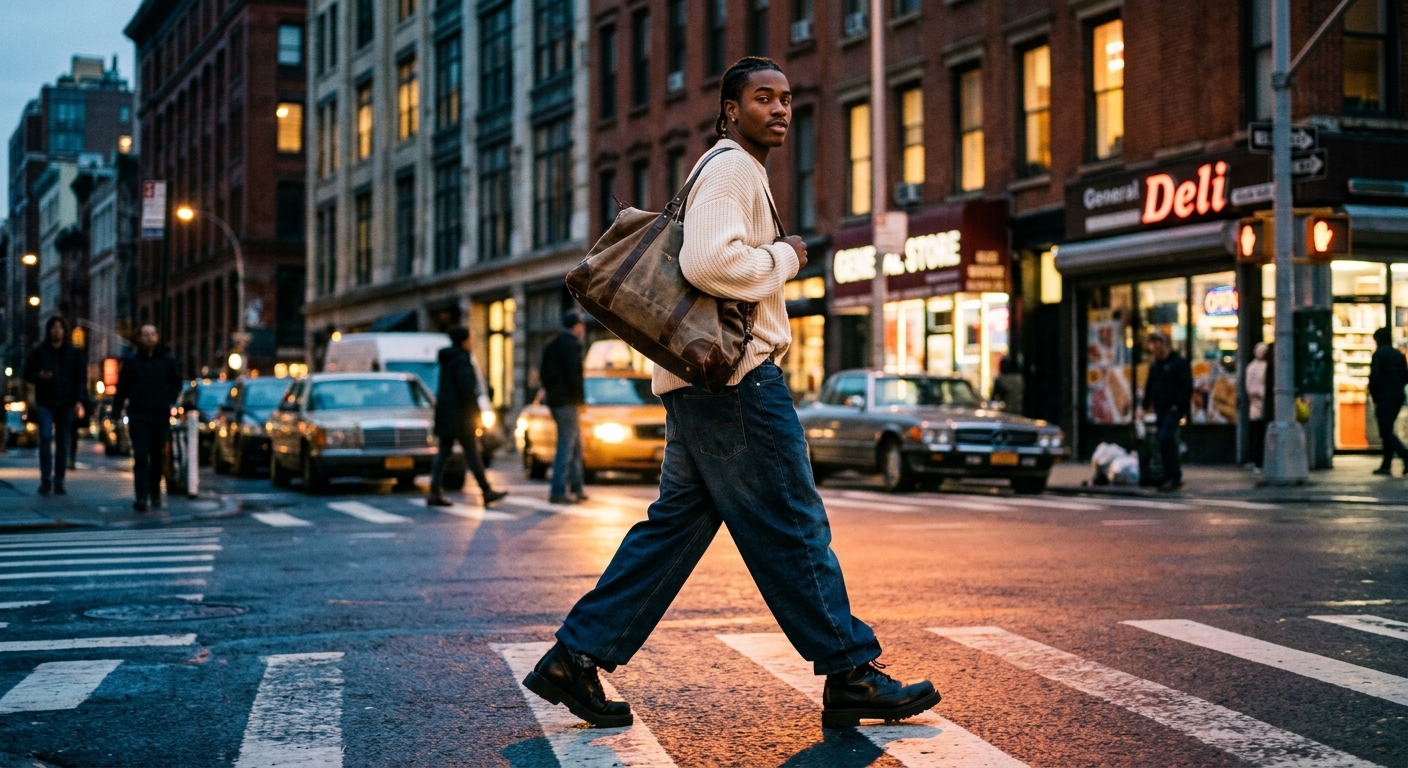
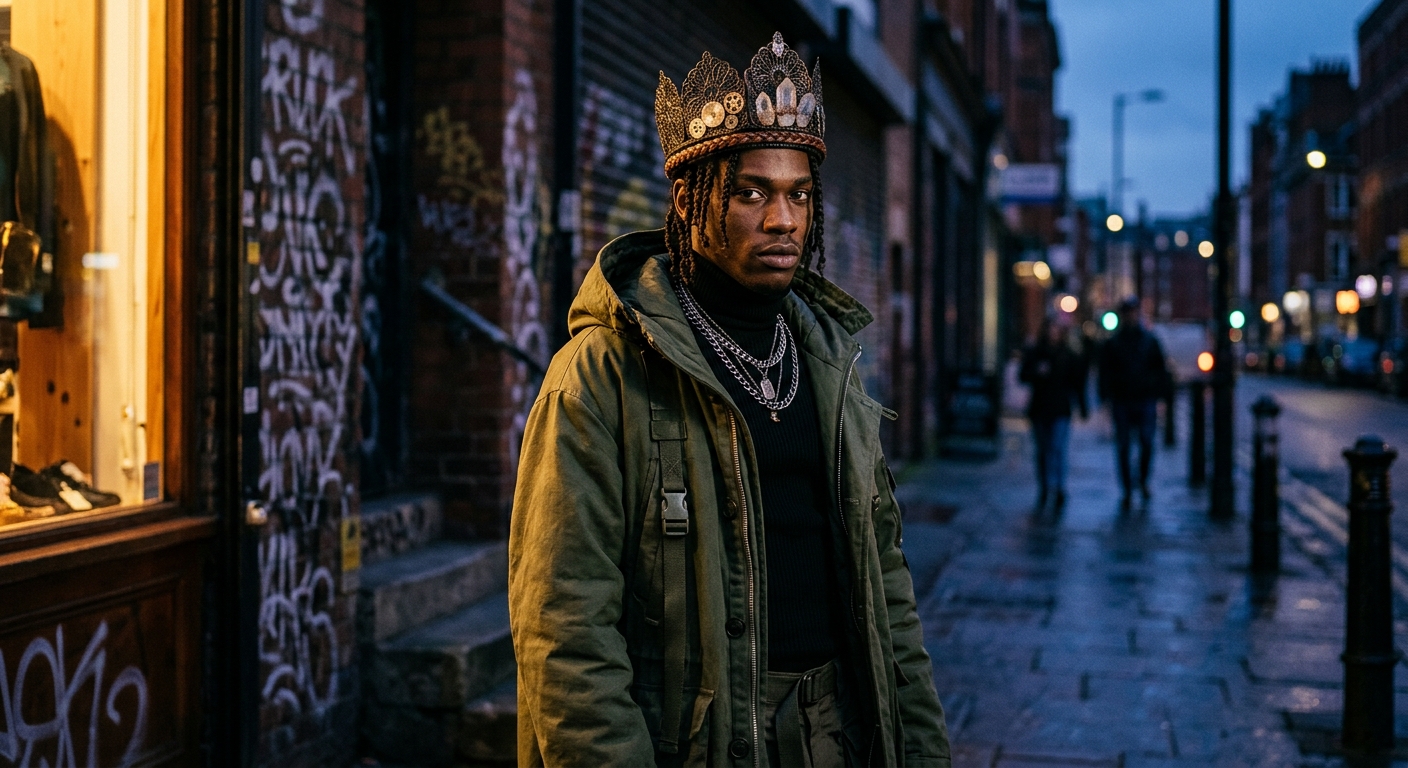
 Meanwhile something seismic is happening on the other side of the Atlantic and across the diaspora. African designers, stylists, and cultural architects are not just participating in fashion anymore. They are defining its next chapter. Labels like Kenneth Ize, Thebe Magugu, Maximilian Davis at Ferragamo, and the unstoppable creative force behind Orange Culture are building visual languages rooted in Ankara prints, Kente geometry, Yoruba silhouettes, and East African tailoring traditions that translate seamlessly from Lagos to London to Los Angeles. This is not novelty. This is a full aesthetic takeover dressed in its Sunday best.
What makes the African fashion wave so powerful is that it arrives with both cultural depth and luxury ambition locked in. This is not streetwear begging for a seat at the high fashion table. This is a movement that built its own table, carved it from mahogany, and invited the world to sit down. The craftsmanship is immaculate. The storytelling is generational. When a young man in Accra or Atlanta rocks a Tongoro Studio piece or styles himself in a custom Oke-Lawal creation, he is not just getting dressed. He is making a statement about origin, pride, and where power actually lives right now.
The athletes are paying attention too, which matters enormously in this conversation. Style-conscious stars like Shai Gilgeous-Alexander, Victor Wembanyama, and especially African-born players bringing their home culture into tunnel walk fits are quietly reshuffling the fashion deck. The tunnel is the new runway and increasingly that runway is draped in fabrics and silhouettes that have nothing to do with a Jumpman logo. When Wemby walks in looking like a avant-garde sculpture from another dimension, he is opening a door that brands like Nike and Adidas simply cannot manufacture their way through.
Nero Sun is not here to bury the Swoosh or pour one out for the Three Stripes. But we are absolutely here to say the throne is contested. African style is not the future of fashion. It is the present, and it is dressed immaculately. The brands that survive the next decade will be the ones humble enough to study this shift, smart enough to collaborate authentically, and honest enough to admit the map has changed. The streets have new coordinates now. You either know them or you are lost.