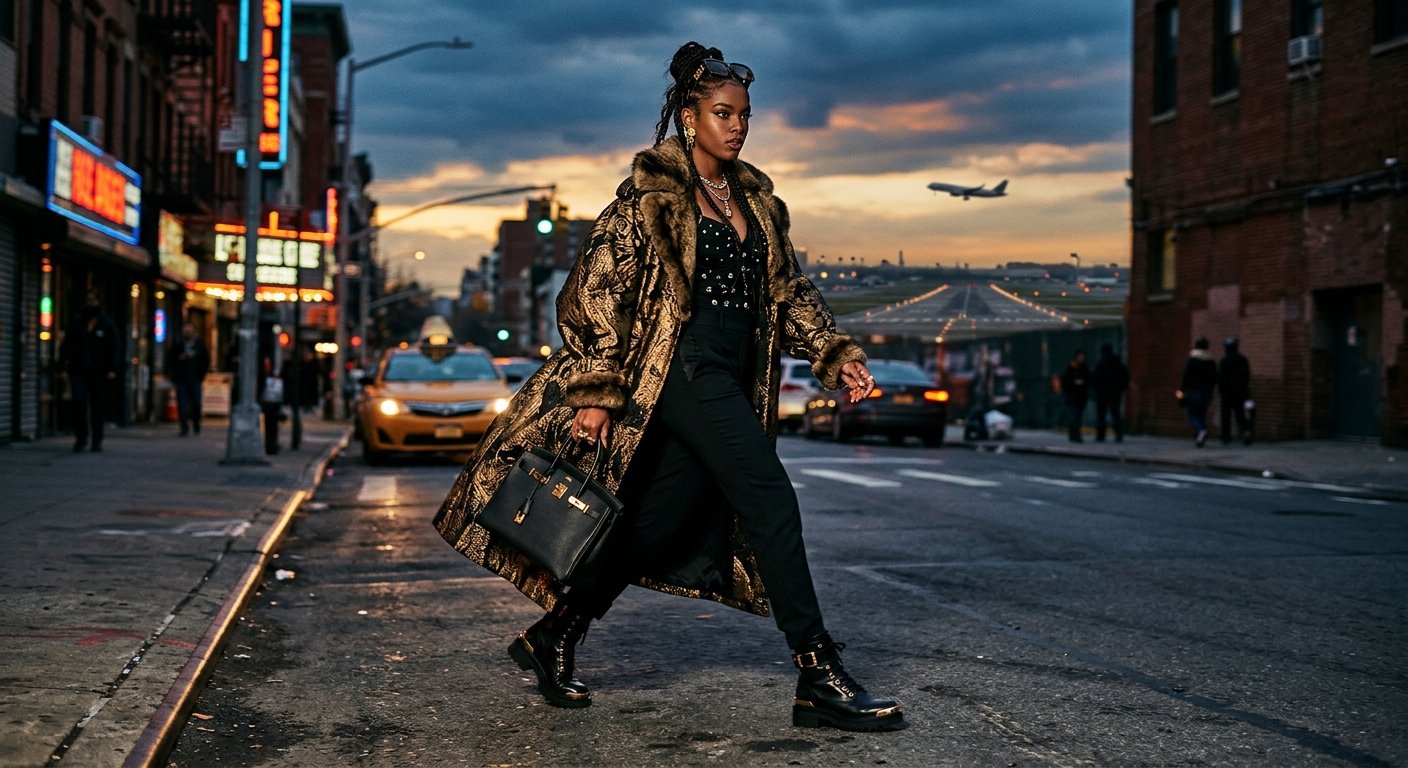
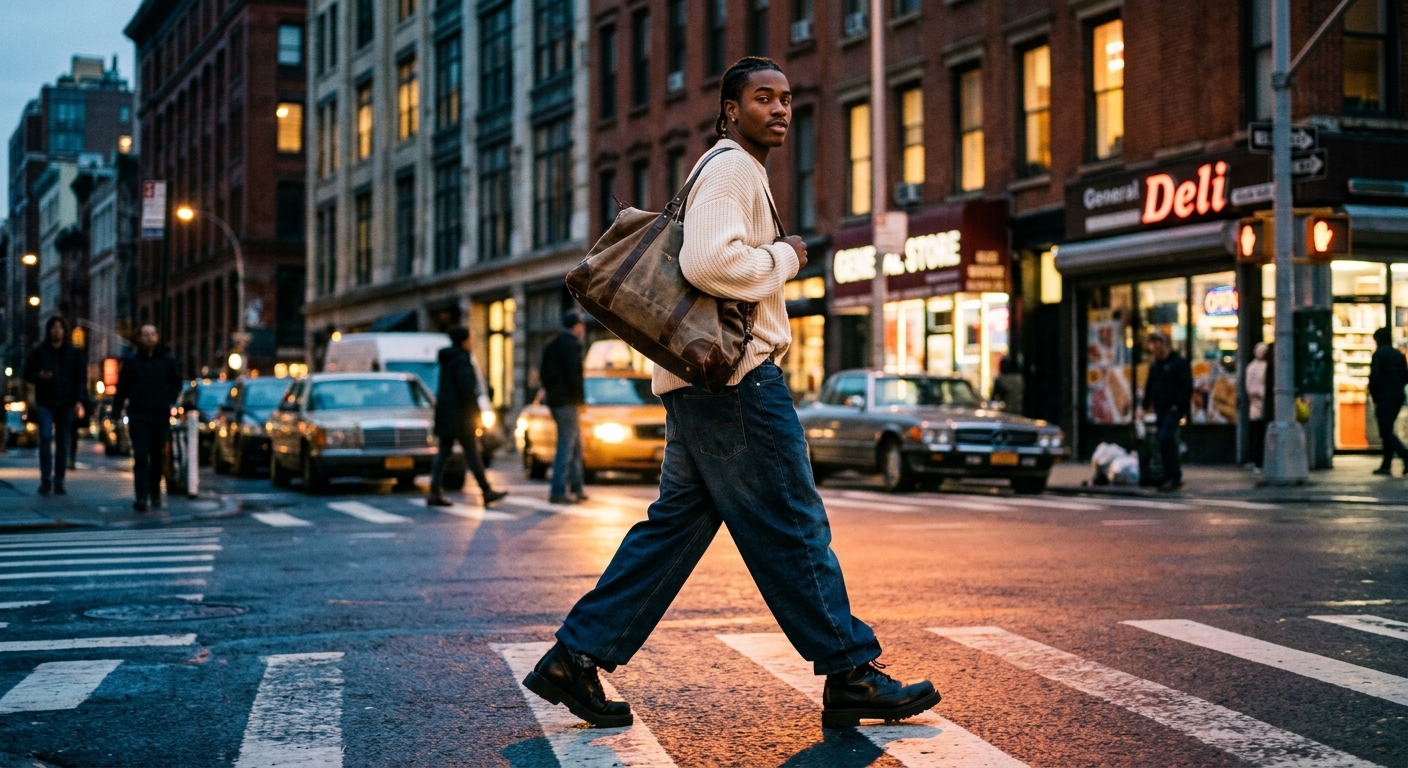
The New Renaissance of Street Luxury
How a generation raised on mixtapes turned the runway into a block party — and bought the building.
There was a time when luxury houses pretended the street did not exist. That time is over. The convergence happened quietly first — a sample here, a co-sign there — then all at once. Today the most powerful tastemakers on earth came up freestyling in basements, and the maisons of Paris answer their calls within the hour.
What we are witnessing is not appropriation in reverse. It is ownership. The artists who once borrowed the codes of high fashion now write them. They sit front row not as guests but as shareholders. They do not wait for the season; they are the season.
Consider the arc. Two decades ago, a rapper in a runway show was a novelty — a marketing stunt the house could disown by the next quarter. A decade ago, the same artist was a paid ambassador, lending a face for a fee. Today that artist owns a stake in the label, designs the collection, and decides which of their friends gets dressed for the carpet. The relationship inverted while everyone was watching the clothes instead of the contracts.
The money tells the story plainly. Streetwear and luxury are no longer separate markets fighting for the same wallet; they are one ecosystem, and the artists sit at its center as both muse and merchant. A single co-sign can move more units than a season of traditional advertising. A sold-out drop can mint a nine-figure brand overnight. The houses know this, which is why the calls now go out from Paris, not in.
But the deeper shift is cultural, not commercial. The aesthetic vocabulary of the street — the layering, the proportion play, the reverence for the rare and the worn-in — has become the default grammar of taste itself. Young designers raised on mixtapes and message boards speak it natively. The old gatekeepers are learning a second language late in life, and the accent shows.
There is tension in this, of course. Every act of ownership invites the question of authenticity: when the underground becomes the boardroom, does it stop being the underground? The artists we spoke to are unbothered. They see no contradiction in selling out arenas and owning the arena. The hustle was never about staying small. It was about getting free.
NERO SUN tracked the money, the fits, and the influence across twelve months. The conclusion is simple: the center of gravity has moved. Culture is no longer something that happens to the streets. It is something the streets export to the world — and increasingly, something the streets own outright.