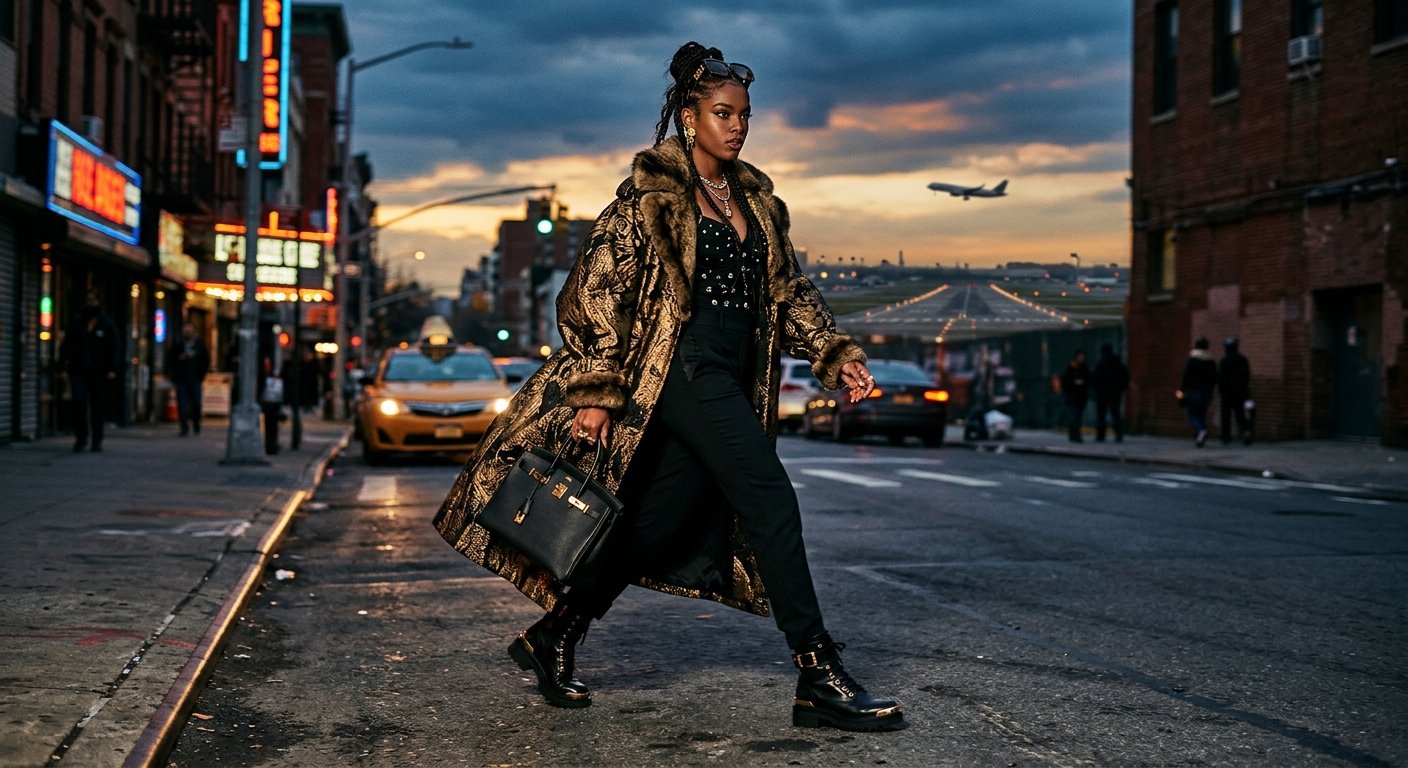
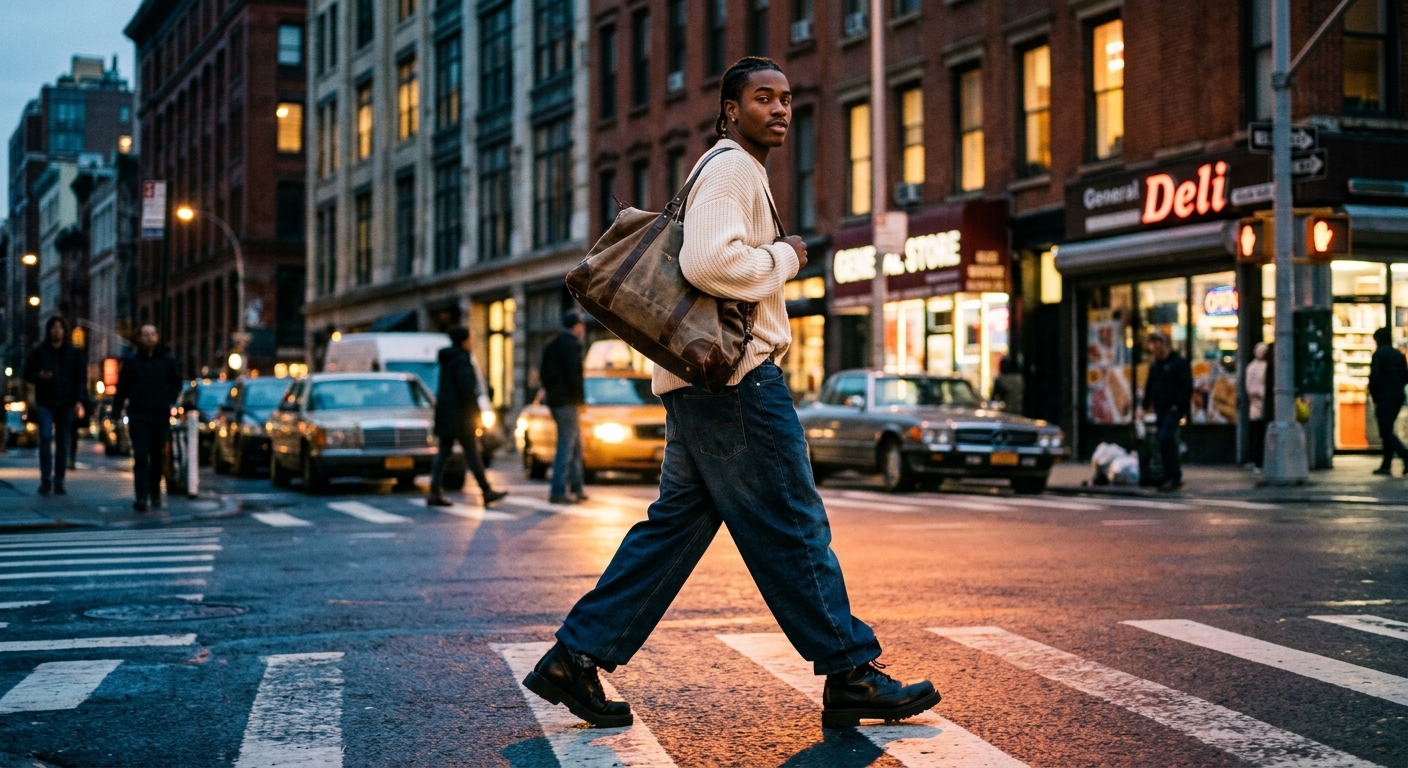
The Fit That Broke the Internet
Anatomy of a look that moved markets and rewrote the rules of red carpet.
Some outfits are clothing. A few are statements. And once a season, one becomes a cultural event. We dissected the look that dominated every feed — the references, the risks, and the reason it worked.
It arrived without warning, the way the great ones always do. One moment a carpet, the next a phenomenon — screenshotted, memed, debated, and dissected frame by frame across every platform that matters. By morning it had its own discourse. By the weekend it had moved markets.
To understand why it worked, you have to read it like a text. Every element was a reference — a nod to an archive piece here, a subversion of a house code there, a silhouette borrowed from one era and recontextualized for this one. Fluency in fashion history is the prerequisite now; the audience catches the citations.
But references alone don't break the internet. Risk does. The look succeeded because it could have failed — because it gambled on proportion, on color, on a combination that read as either genius or disaster with no safe middle. The nerve is the point. Play it safe and you disappear; the feed only rewards conviction.
Then there is timing. The same look on a quiet Tuesday is just an outfit. Worn at the precise moment the world is watching — the premiere, the carpet, the comeback — it becomes an event. The most stylish people in the world are also the best-timed, and that is not a coincidence.
We spoke with stylists who engineer these moments and the analysts who measure their aftermath. The consensus: a look like this is worth more than any campaign, and it can't be bought. It has to be earned through taste, built over years, and spent in a single, perfect instant.
Style at this level isn't about taste alone. It's about timing, nerve, and knowing exactly when the world is watching — and being brave enough to give it something worth seeing.