From the Block to the Runway: Hip-Hop Fashion's Unstoppable Rise
What started as survival-mode style on the streets of New York has become the most powerful force in global fashion — and it's never asking permission.
Before there were mood boards and media kits, there was necessity. Hip-hop fashion was born in the late 1970s in the South Bronx, where resourcefulness was the only luxury anyone could afford. Kids were rocking Lees and Pumas not because a stylist told them to, but because those were the pieces that held up, that fit the movement — literally — of breaking on cardboard and running through subway tunnels. Adidas shelltoes, Kangol buckets, and fat laces weren't accessories. They were armor. They were identity. They were the first language of a culture that had been given nothing and decided to build everything.
By the mid-80s, Run-DMC turned that block vernacular into a global broadcast. Their partnership with Adidas in 1986 — the first major endorsement deal between a non-athlete act and a sportswear brand — didn't just change hip-hop. It rewired the entire DNA of fashion marketing. Suddenly the streets were setting the agenda, not following it. Then came Dapper Dan, operating out of his Harlem boutique like a midnight alchemist, bootlegging Louis Vuitton and Gucci logos onto custom leather pieces for LL Cool J and Big Daddy Kane before those luxury houses even knew they wanted to be cool. The culture didn't wait for an invitation. It kicked the door down.
The 90s were a master class in regional swagger. The coasts weren't just rapping differently — they were dressing differently, and the tension was electric. West Coast kings like Tupac and Snoop draped themselves in Dickies, Chuck Taylors, and flannel, exporting Compton's aesthetic to every suburb on the planet. Meanwhile, New York was going label-crazy — Notorious B.I.G. in Coogi sweaters, Wu-Tang in Timberlands, Nas in Polo. Then Houston introduced the drip of slowed-down excess, and Atlanta started its slow burn toward becoming the undisputed tastemaker capital it is today. Hip-hop wasn't one fashion story. It was fifty of them, all running simultaneously, all undeniable.
The 2000s brought the bling era — Jacob the Jeweler on speed dial, Von Dutch trucker hats, and velour tracksuits that somehow made Juicy Couture relevant to both rap royalty and Real Housewives. But beneath the excess was something serious brewing. Pharrell and Nigo were quietly architecting a streetwear universe through Billionaire Boys Club and A Bathing Ape that would become a blueprint for every hypebeast drop culture moment that followed. Kanye West, always five steps ahead and twice as loud about it, was wearing Polo and Louis Vuitton backpacks in ways that announced a new kind of hip-hop dandy — self-educated, self-referential, and absolutely self-assured.
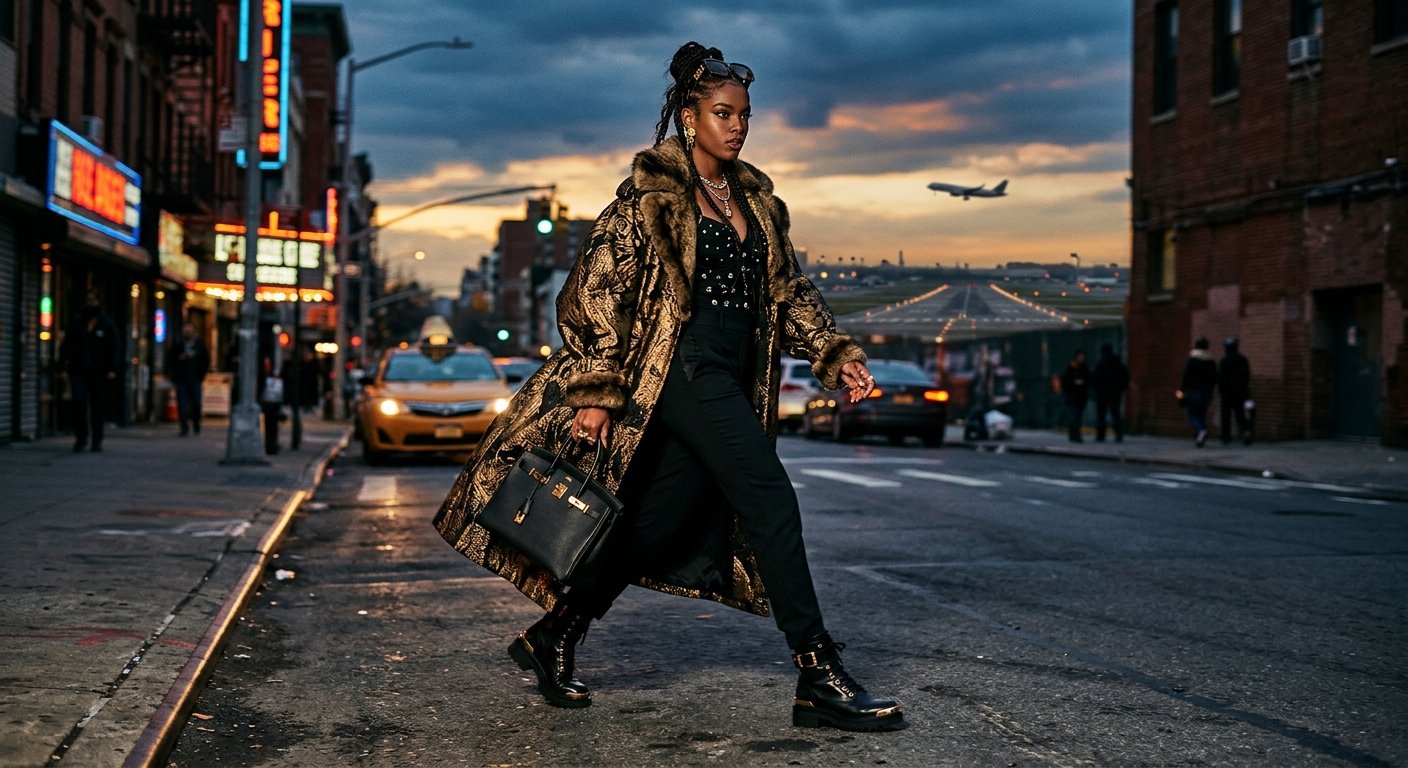
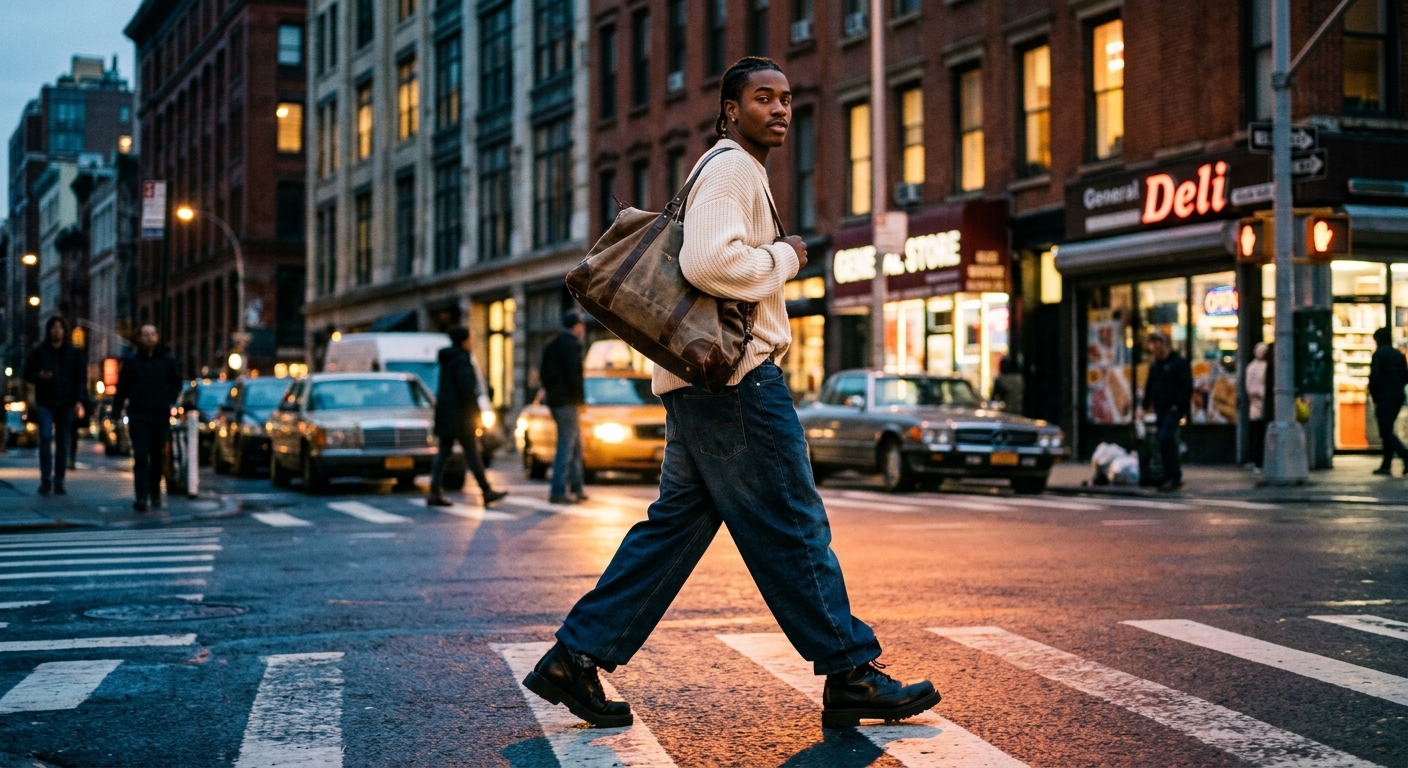
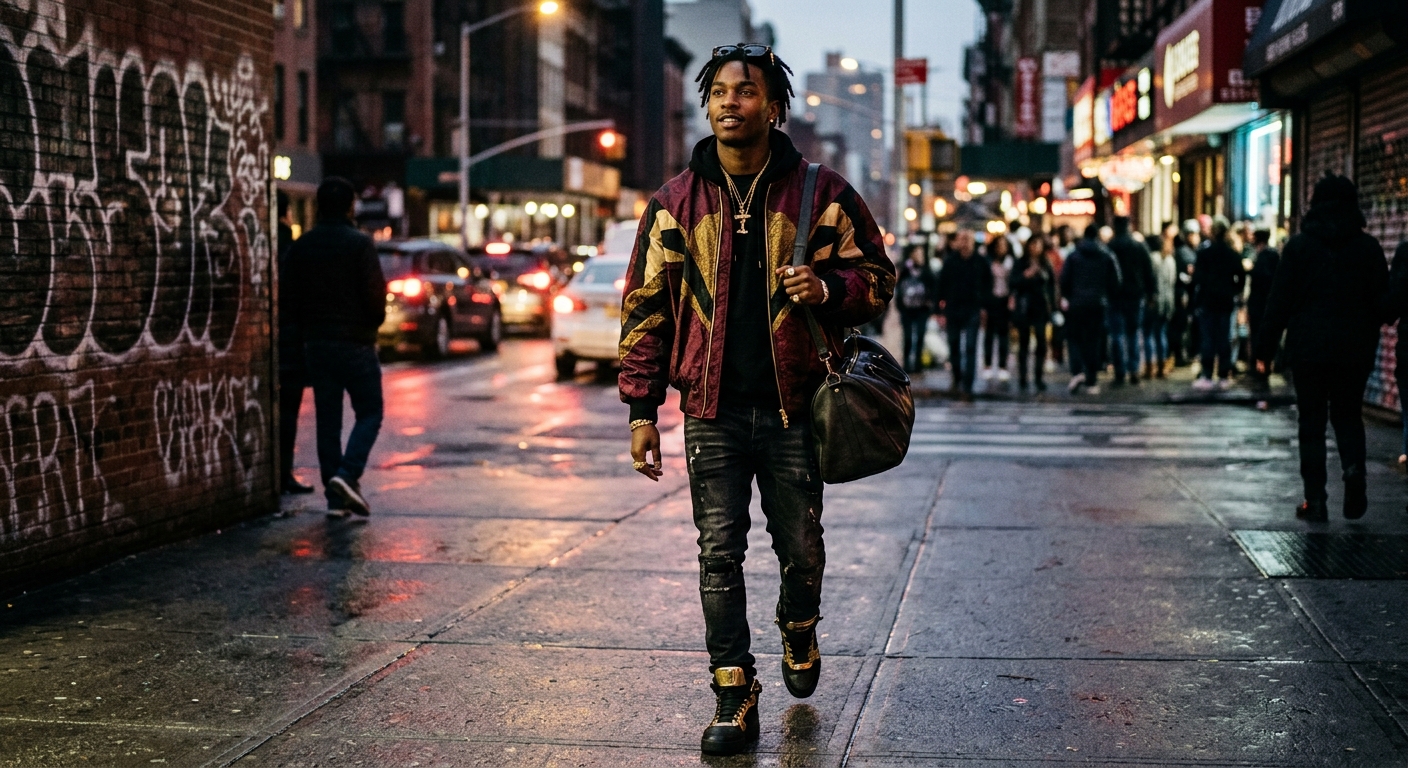
Then the walls between streetwear and luxury didn't just crack — they collapsed. Virgil Abloh took Off-White from a concept to a cultural institution before landing at Louis Vuitton as the first Black artistic director of menswear in the house's 166-year history. Travis Scott made Nike collaborations feel like Supreme drops. Cardi B went from Bronx to Balenciaga without losing a single inch of who she is. Today's generation — Gunna, Lil Uzi Vert, Ice Spice — treat fashion as fluid, fearless, and fundamentally personal, mixing couture with thrift-store chaos in ways that confound critics and inspire designers simultaneously.
Hip-hop fashion has never been about following trends. It has always been about dictating them from the bottom up — a relentless, decades-long creative uprising that transformed what the world wears, how luxury brands think, and what cool actually means. The kids from the block didn't just infiltrate high fashion. They became its most important architects. And the blueprint? Still being written, still being worn, still impossible to ignore.