FROZEN NORTH, GLOBAL GAME
Canada is no longer just exporting hockey players — it's running the whole damn sports world now, and the culture behind it is changing everything.
Let's get something straight before we even start: Canada has always been cold, always been hungry, and always been underestimated. But somewhere between the last decade and right now, something shifted. The numbers don't lie. The NHL is still flooded with Canadian-born talent — roughly 26 percent of the entire league carries a Canadian passport. But zoom out and the picture gets even wilder. Over 300 Canadians are currently active on MLB rosters, with cities like Vancouver, Toronto, and the suburban sprawl around them producing elite arms and bats at a rate that would've seemed absurd twenty years ago. The NBA? Canada gave the world Steve Nash, then Andrew Wiggins, then Shai Gilgeous-Alexander, then Jamal Murray, and now a whole new wave is coming out of the pipeline before they're old enough to vote. And Canadian soccer? The men's national team finally cracked a World Cup for the first time in nearly four decades, powered by Alphonso Davies, Jonathan David, and a squad that plays with a chip the size of the CN Tower on their shoulders.
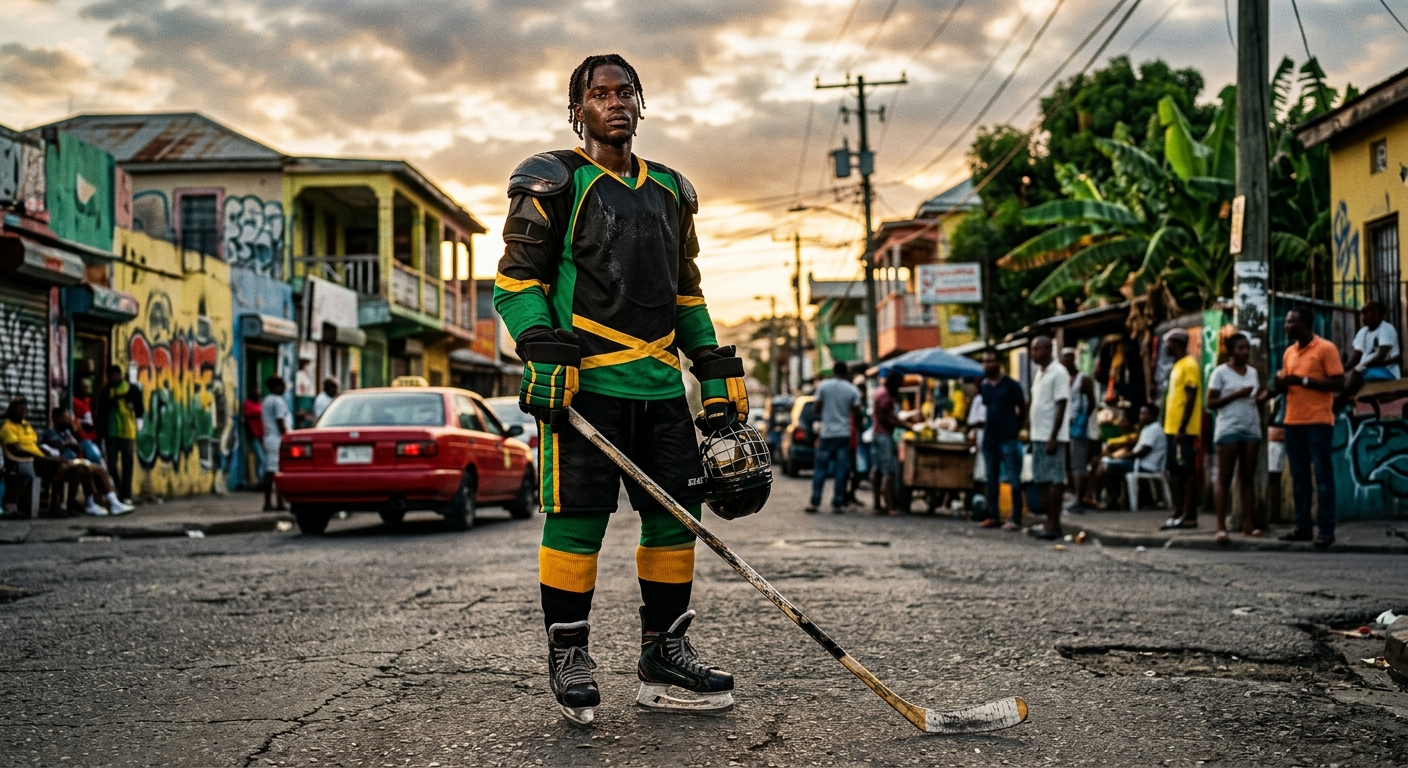
So what changed? The infrastructure changed, straight up. Programs like Canada Soccer's national development pyramid, Sport Canada funding reform, and provincially backed elite academies started popping off in the early 2010s and the crops are finally coming in. Multi-sport facilities in the GTA, suburban Montreal, and suburban Vancouver stopped treating hockey like the only sport worth serious investment. Kids who once had to choose the rink because it was the only game funded in town now had real options — turf fields, indoor courts, batting cages, all of it. The competition to develop and retain young Canadian athletes got real, and when competition gets real, standards rise. These institutions stopped producing participation trophies and started producing professionals.
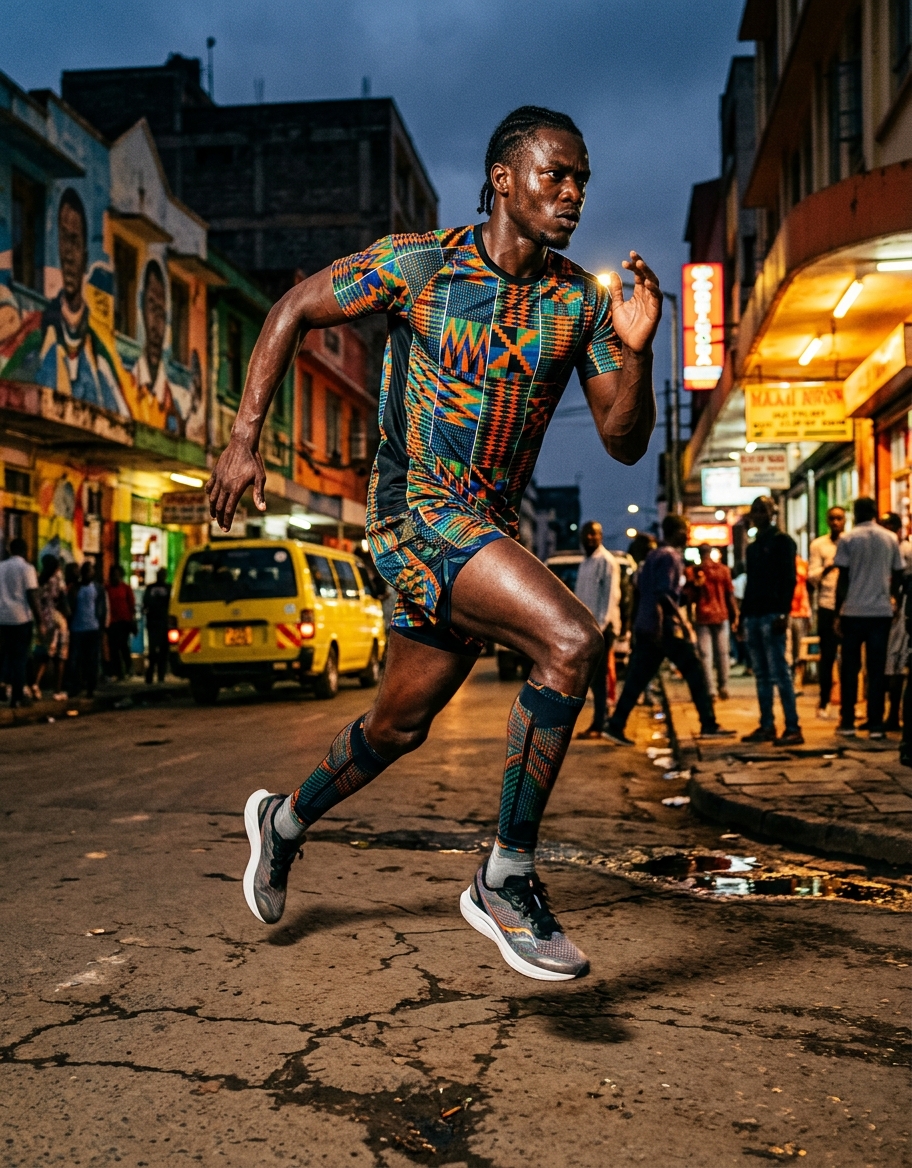
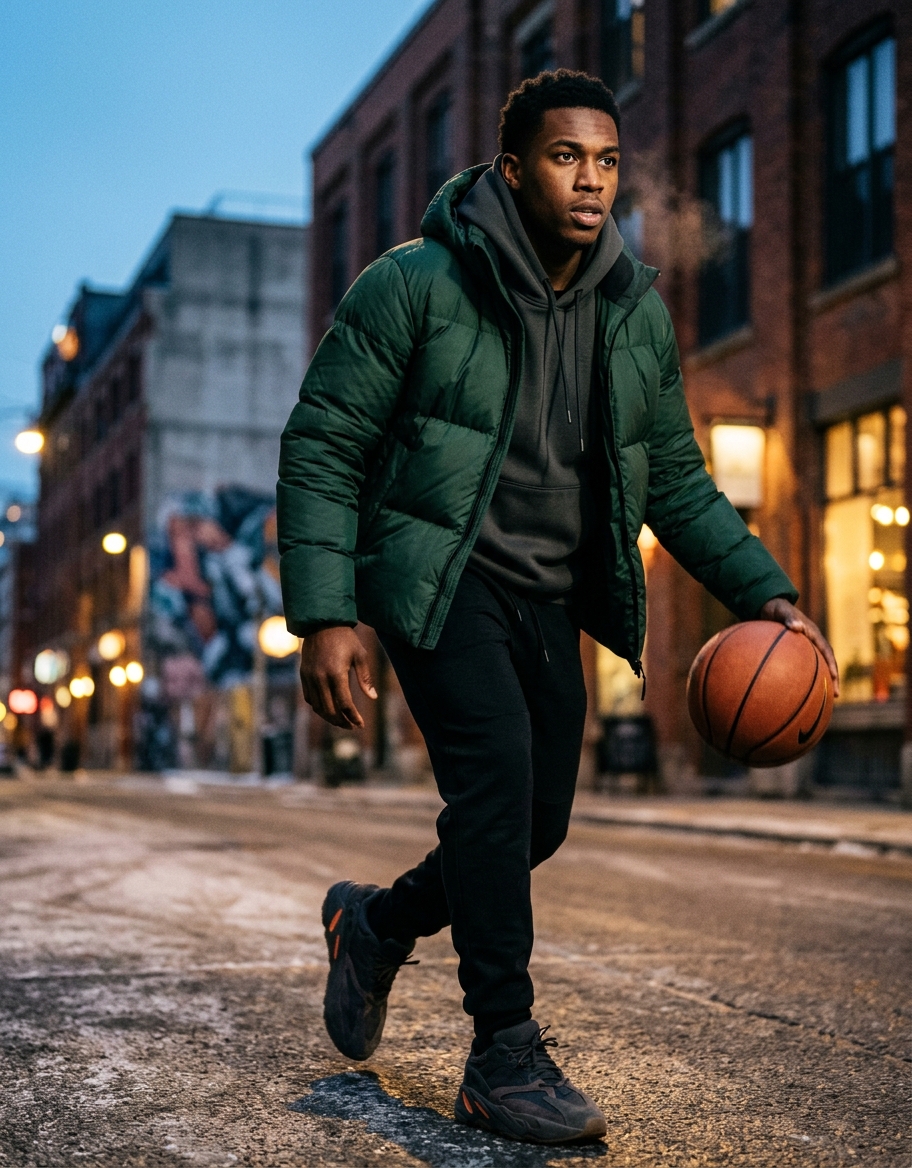
But if you really want to understand the new Canadian athlete, you have to look at the culture holding all of this together. Canada's major cities — Toronto especially — are among the most multicultural places on the planet. The kid growing up in Scarborough in 2024 is watching NBA highlights, listening to drill, playing FIFA, following Ligue 1, and studying Shai's handles on YouTube before breakfast. The cultural identity of the Canadian athlete is no longer singular. It's layered, global, and deeply competitive in a way that the old hockey-or-nothing mentality never allowed for. Drake claiming the Raptors wasn't just celebrity vanity — it was a mirror showing a generation of Canadian youth that ambition in a sport other than hockey wasn't a betrayal of your roots. It was the future.
The result is a nation that now moves differently on the world stage. Canadian athletes today carry something that used to be rare north of the border — a mentality forged from cultural remix and institutional support that finally caught up to their talent. SGA is cold-blooded. Alphonso Davies moves like he's powered by something beyond training. These aren't accidents. They are products of a country that quietly rebuilt its sports ecosystem while everyone else was busy looking somewhere else. Canada stopped apologizing for existing on the global stage. And right now? The rest of the world is just catching up to what the north already knew.