Go Back Where You Came From
Culture tourism is rewriting the map of identity — and the trip you take to find yourself might be the most important journey you ever book.
Here is the thing about that phrase — go back to where you come from. Strip away the venom people sometimes load into it and sit with the actual question for a second. Could you do it? Do you even know where that is? For millions of people scattered across the diaspora, from Kingston to Rotterdam, from Atlanta to Lagos, from São Paulo to Seoul, the honest answer is complicated. And complicated, it turns out, is the most interesting place to start a journey. Culture tourism — the deliberate act of traveling not just to see a place but to recover a piece of yourself — is no longer a niche pursuit. It is becoming one of the most powerful movements in modern travel, and it is being led by people who refuse to let geography be the only answer to the question of who they are.
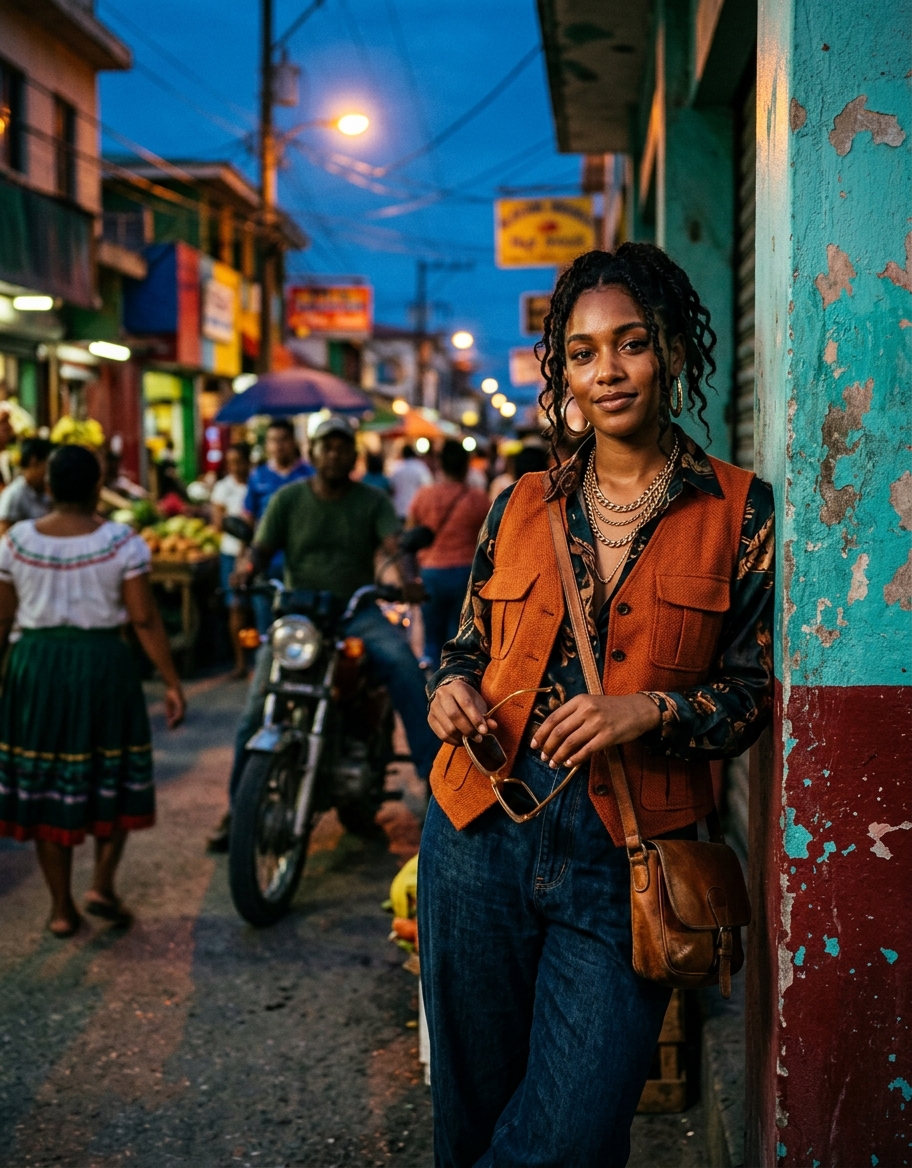
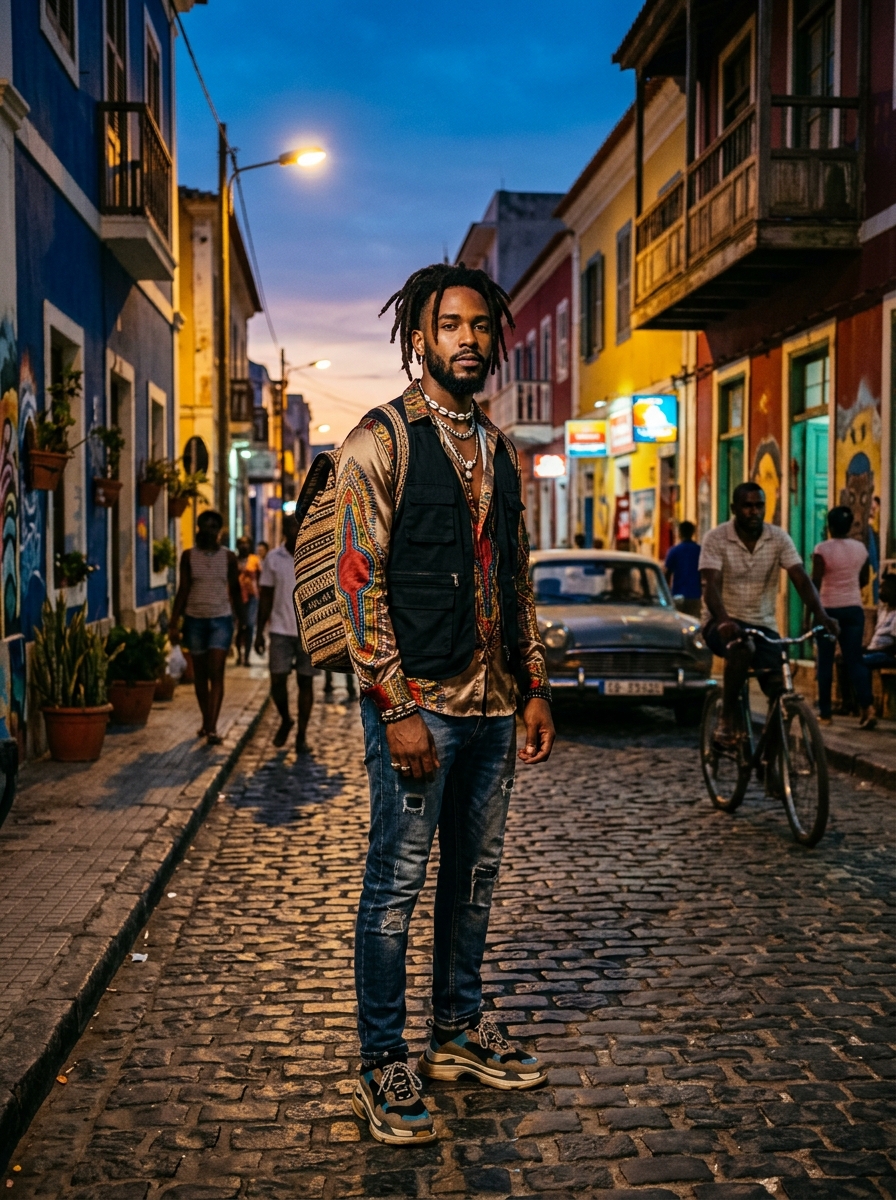
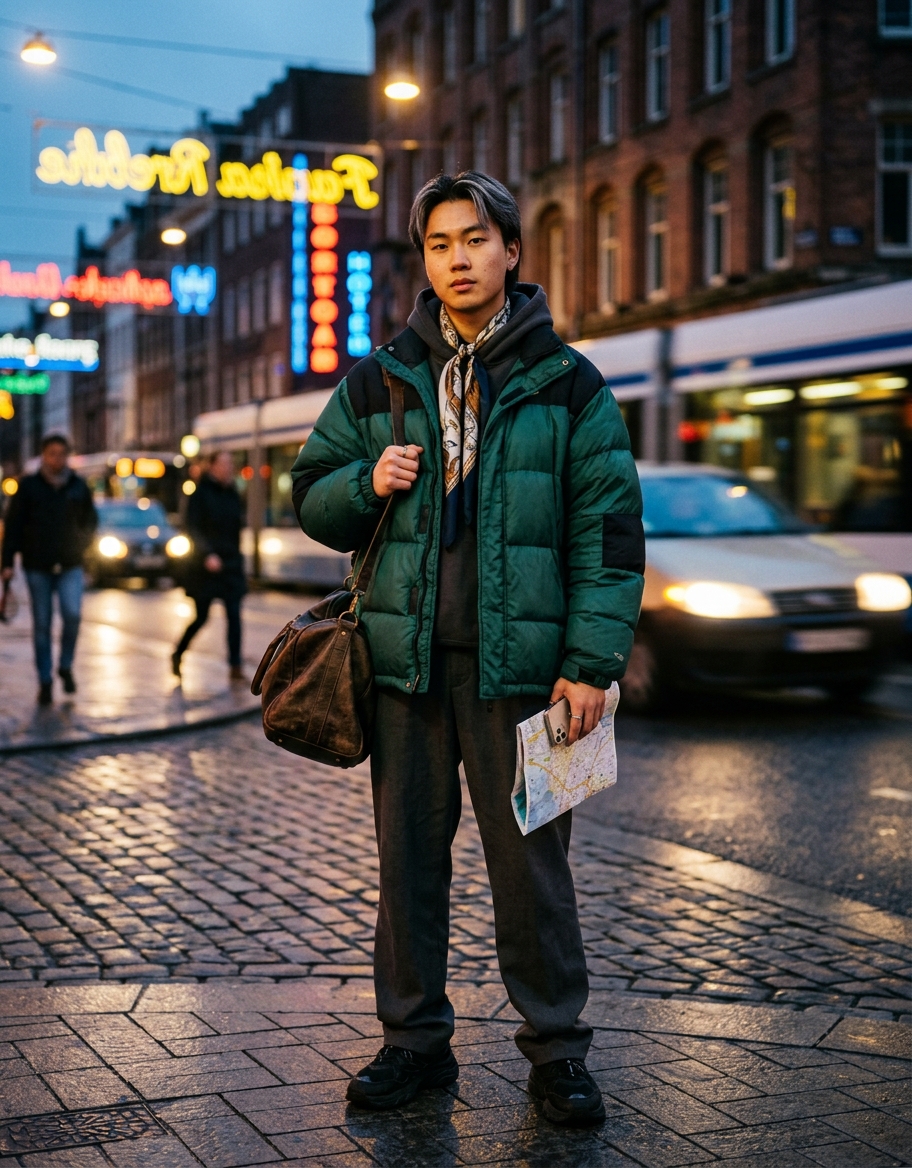
The history of human migration has always been messier and more beautiful than any passport or census form could contain. Colonialism scattered people. The transatlantic slave trade severed lineages. Indentured labor moved entire communities across oceans. War, famine, ambition, and love have been rerouting human beings since the beginning of time. The result is a planet full of people whose skin color, accent, or surname no longer telegraphs a simple origin story. A Black woman born in Birmingham, England carries West African DNA, Caribbean family history, and a British passport. A Korean man raised in Buenos Aires moves through the world in ways that confuse every assumption. The map has always been a lie. Culture tourism is what happens when people decide to draw their own.
From the ancestral villages of Ghana — where the door of no return at Cape Coast Castle now sees thousands of diaspora visitors making emotional, necessary pilgrimages — to the Maroon communities in the mountains of Jamaica preserving traditions that colonizers never managed to crush, to the medinas of Morocco where the architecture holds centuries of trade routes in its walls, the destinations are as diverse as the travelers seeking them. This is not heritage tourism in the stuffy museum sense. This is immersive, personal, sometimes overwhelming. People are eating food their grandmothers cooked without ever meeting their grandmothers. They are hearing languages that feel familiar in their chest before their brain can explain why. They are standing in places and feeling, unmistakably, a kind of coming home.
Asia is writing its own chapter in this story too. The Filipino community spread across the Middle East, Europe, and North America has been quietly building roots tourism into its cultural fabric for decades. Second-generation Chinese Americans and British-Chinese travelers are flooding cities like Chengdu, Fujian, and Guangzhou — not the tourist-brochure versions but the lived-in neighborhoods where their family names still mean something. South Asian communities in London, Toronto, and New York are making first and second trips to regions of India, Pakistan, Bangladesh, and Sri Lanka that their parents fled or left behind, finding that they contain multitudes their childhood never had language for. The Caribbean, meanwhile, remains the world's most underrated laboratory of cultural fusion — a region that survived everything thrown at it and built something new, something with Afro-Indigenous-European-South Asian roots tangled together in the same pot of food, the same carnival costume, the same bar room conversation.
What is shifting right now, and shifting fast, is access to the knowledge that makes these trips possible. For too long, the architecture of what counted as legitimate history — what got taught, published, funded, and amplified — was controlled by institutions with their own interests in keeping certain stories small. Universities, mainstream media, and the publishing industry spent generations deciding whose ancestry was worth cataloguing and whose was not. That gate is off its hinges now. DNA testing companies, social media, independent documentary filmmakers, podcasters, bloggers, and a generation of scholars who look nothing like the old academic establishment have democratized the kind of knowledge that sends people to airports with intent. A TikTok video about Nubian history moves millions. A podcast episode about the Moors in Europe shifts someone's entire understanding of their lineage. The information is out and it is not going back behind any wall.
Culture tourism is not always comfortable. Sometimes you land somewhere expecting belonging and you find complexity instead — a reminder that identity is not a souvenir you pick up and carry home clean. But that friction is the point. The traveler who returns from a roots journey is rarely the same person who left, and that transformation is worth more than any luxury itinerary. The world is one magnificent, mixed-up, layered, breathing archive of human movement. The best trip you will ever take might be the one where you stop being a tourist in your own story.