GRAMMY OR DIE
In an era of streams, algorithms, and viral moments, the masses still look to music's oldest institution to crown the culture — and that says everything.
Every February, something strange happens. The internet goes feral, group chats explode, Twitter becomes a courtroom, and millions of people who spent the previous twelve months arguing that the Grammys are irrelevant suddenly cannot stop watching them. Artists who publicly dismissed the Recording Academy are spotted rehearsing acceptance speeches in their minds. The contradiction is loud, it is messy, and it is deeply human. The Grammys should be dead. Instead, they are appointment television with a death grip on the culture.
The reason is simple and uncomfortable: legitimacy is still a currency, and the Recording Academy has been printing it since 1959. We live in a fractured music landscape where a song can rack up a billion streams and still feel disposable by Thursday. Playlists replaced radio, TikTok replaced the music video, and the algorithm replaced the tastemaker. In that chaos, people are desperately hungry for a moment that feels definitive. The Grammy stage — even when it gets it spectacularly wrong — provides a ritual that the culture hasn't been able to replicate anywhere else. Beyoncé holding that trophy hits different than any chart position ever could.
 Hip Vodka Island life
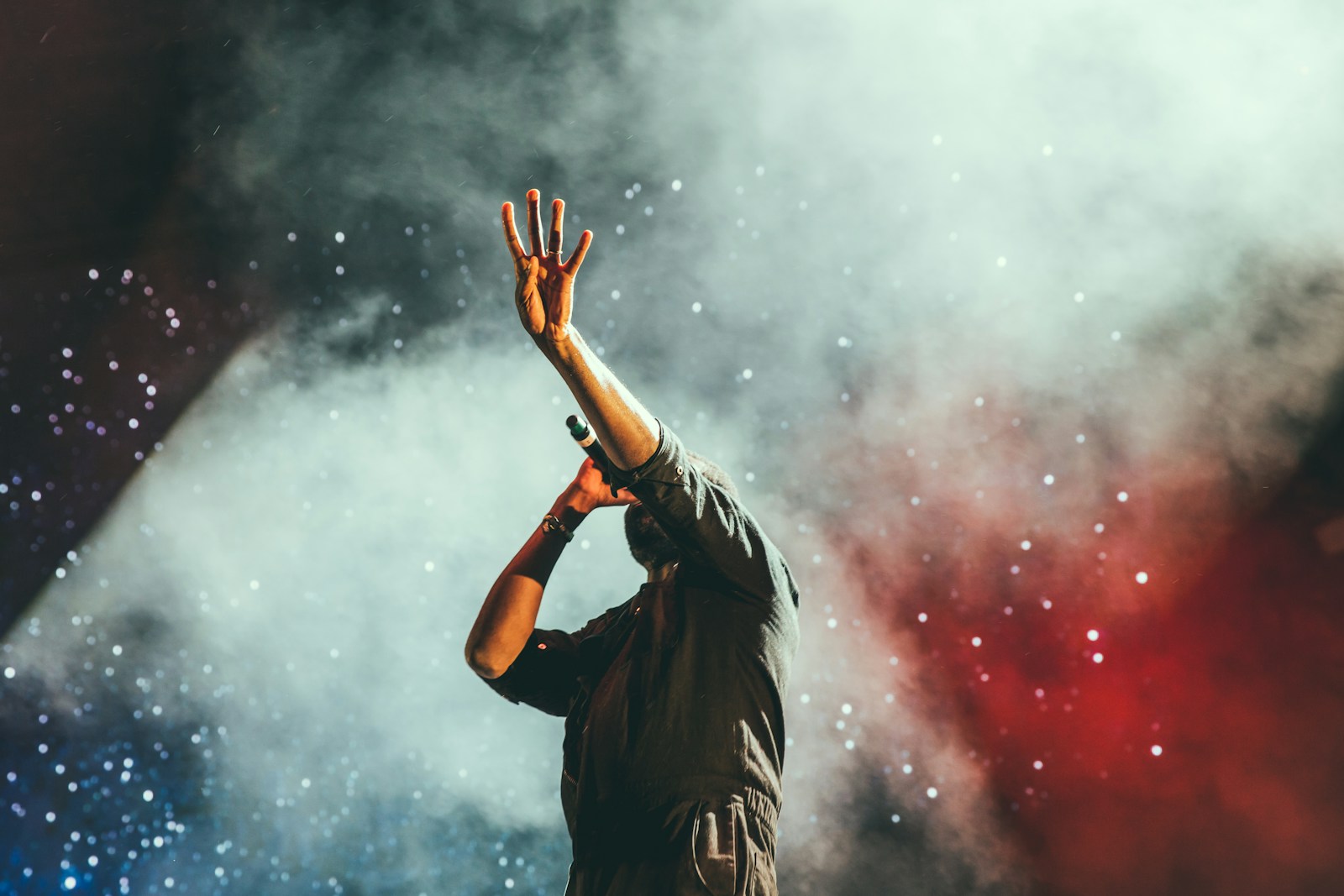
There is also the undeniable theater of it. The Grammys understand that music is performance long before it becomes a recording. The production, the collaborations, the surprise guests, the outfits — it is a full-scale event that turns passive listeners into invested fans. When Kendrick Lamar finally took home Album of the Year for DAMN., the moment carried the weight of decades of hip-hop being overlooked. That emotional payload cannot be manufactured by a Spotify Wrapped notification or a YouTube milestone. It requires a stage, a crowd, and a trophy that looks like a phonograph from another century.
Critics love to point out the Grammys' historic failures — Macklemore over Kendrick, Beck over Beyoncé, the endless snubbing of entire genres — and those criticisms are valid and necessary. But those very controversies are precisely what keep the institution alive. Every bad decision sparks a conversation that millions participate in, which means millions are still deeply invested in the outcome. You do not argue passionately about things you do not care about. The outrage is a love language, and the Recording Academy has been fluent in it for decades.
The streaming era promised democratization but delivered confusion. When everything is accessible, nothing feels earned. A Grammy win cuts through that noise because it represents a human judgment — flawed, political, occasionally absurd — but human nonetheless. Fans know the algorithm has no soul. They know it will serve you the same mid energy it serves fifty million other people. The Grammy, for all its contradictions, carries the fingerprints of people who decided something mattered. In 2025, that kind of declaration still moves markets, shifts perception, and launches careers into a different stratosphere.
So no, the Grammys are not perfect. They never were. But perfection was never the point. The point is authority, spectacle, and the very human need to declare a winner in a world that refuses to stop producing contenders. Until something else steps up and commands that room — until another institution builds that kind of cultural weight — the masses will keep tuning in, keep screaming at the television, and keep caring more than they ever planned to admit.