ISLAND ELEVATION
Jamaica is quietly building an NBA pipeline that could reshape basketball, culture, and commerce across the entire Caribbean.
Let's talk about what 15 NBA stars actually means in real terms. That is 15 men sitting courtside in custom fits before tip-off, 15 contracts pumping millions back into an economy, 15 cultural ambassadors carrying a green, gold, and black flag into the most watched league on the planet. The ripple effect is already visible. Jamaican designers are getting callbacks from stylists in Los Angeles. Dancehall and Afrobeats-adjacent production is bleeding into pre-game tunnel playlists from Brooklyn to Phoenix. The brands — Nike, Jordan, Adidas — are paying attention, because when you have a concentrated pocket of elite athletes tied to one of the most emotionally resonant national identities on earth, that is not just a sponsorship opportunity, that is a cultural franchise waiting to be built. The pipeline from Jamaica to the NBA is becoming what the pipeline from the Dominican Republic is to MLB — except louder, more stylish, and backed by a soundtrack the whole world already knows by heart.
Now factor in the 2028 Olympics and the conversation catches fire. A Jamaican national basketball team with legitimate NBA talent suddenly competing on the world stage is not just a sports story — it is a geopolitical flex. It is the Caribbean announcing, collectively, that its athletes are not supplemental to the global sports economy, they are central to it. And where athletes go, culture follows without apology. If Jamaica earns that Olympic berth, expect the fashion world to scramble, expect streaming platforms to greenlight documentaries overnight, expect every major sneaker brand to be in Montego Bay signing deals before the closing ceremony. The possibility of a Caribbean basketball league — a regional structure built to develop and showcase this exact talent — only accelerates that timeline. Think of it as the Caribbean's answer to EuroLeague, built on riddim instead of classical architecture, on jerk and ocean instead of bread and wine.
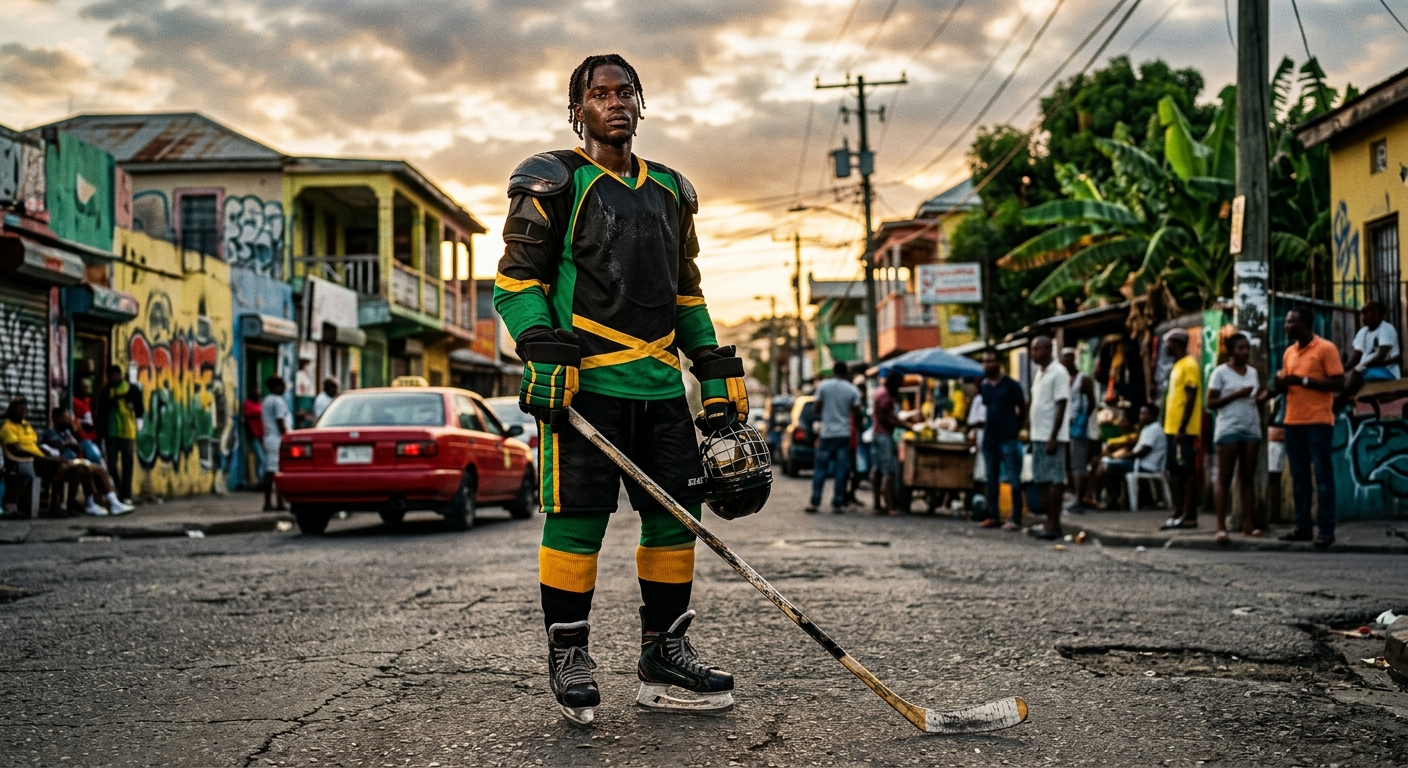
The deeper story, though, is about what this generation of Jamaican ballers represents to one of the most culturally potent populations the world has ever produced. The Jamaican diaspora — spread across London, Toronto, New York, Miami, and beyond — has always punched above its weight in music, fashion, athletics, and attitude. Now basketball is becoming another vessel for that expression, another arena where Jamaican identity arrives fully formed, dripping in confidence, impossible to ignore. Young kids in Trench Town are lacing up Jordans with a different kind of dream now. Designers in New Kingston are sketching collections inspired by court culture. Producers are layering crowd noise into beats. Money, music, and movement are converging on a single point, and that point is Jamaica. The island has always been a world in miniature. Now the world is finally playing on its terms.