Log Off, Link Up
In a world drowning in notifications, the most powerful flex is putting your phone face-down and actually showing up.
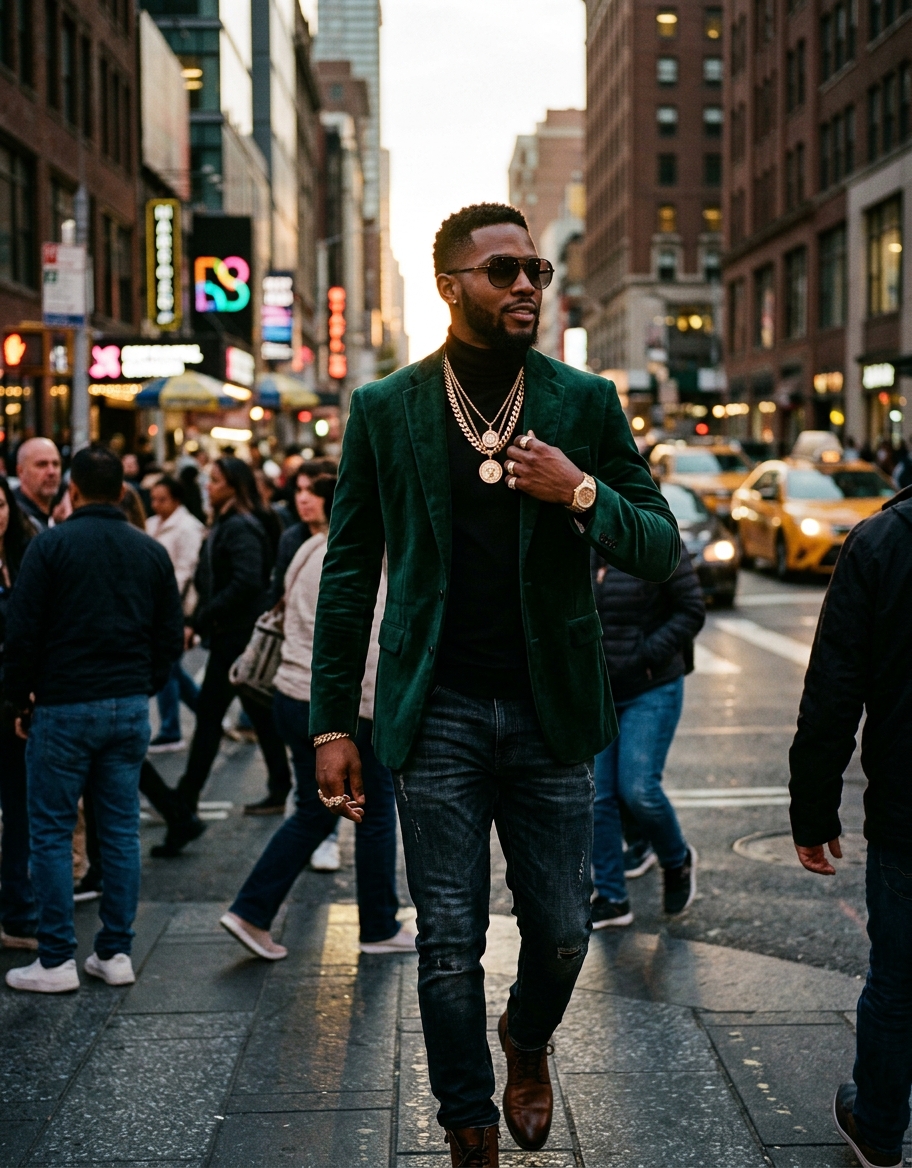
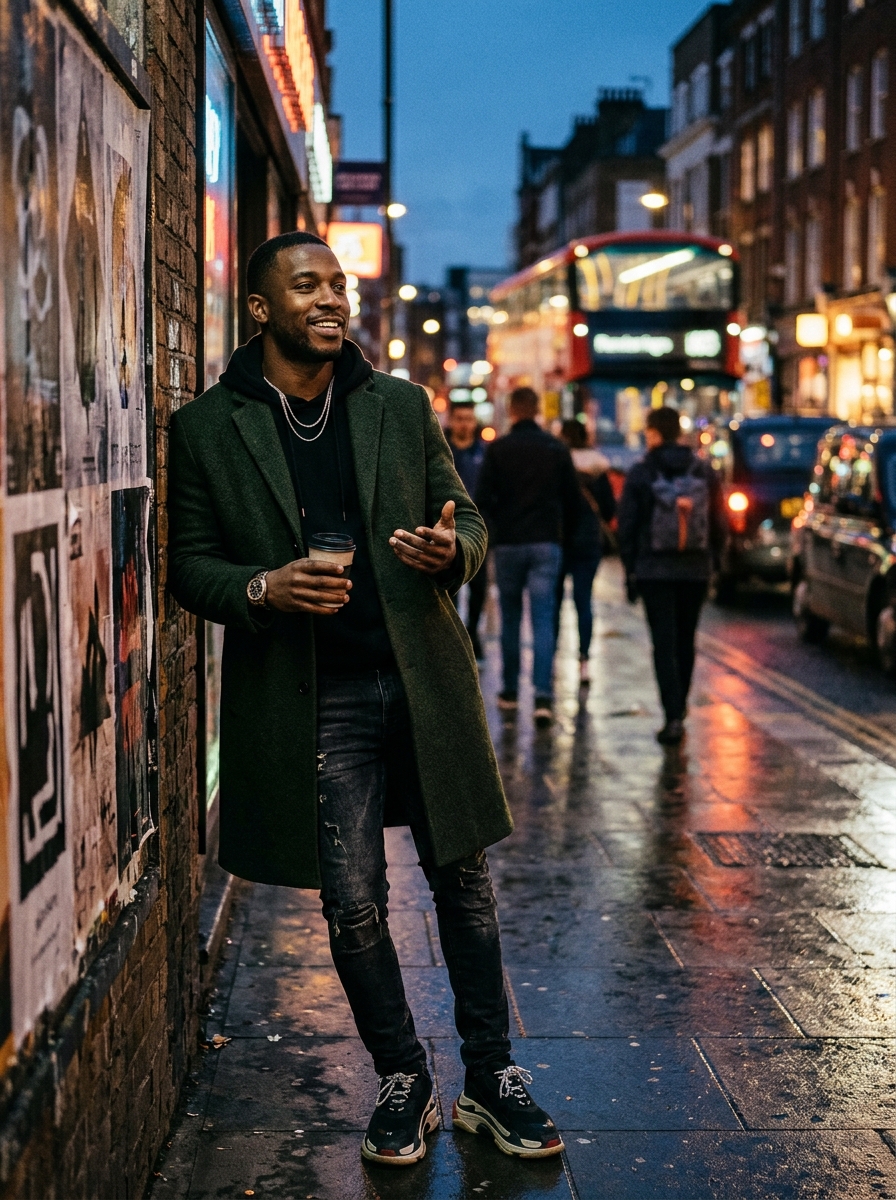
There is a quiet revolution happening in the booths of late-night diners, on the bleachers of neighborhood courts, and inside record shops that smell like dust and ambition. People are choosing presence over performance. They are trading the algorithmic scroll for eye contact, handshakes, and the kind of conversation that actually changes something inside you. Call it a correction. Call it survival. Whatever you call it, offline connectivity is not nostalgia — it is the new cultural currency, and the ones spending it wisely are building something the internet simply cannot replicate.
Hip-hop has always understood this truth even when it forgot to practice it. The culture was born in a park, from a single extension cord running to a lamppost, in front of a crowd that could feel the bass in their chest. No streams, no clicks, no engagement metrics — just bodies in a space, vibrating at the same frequency. That origin story is not a relic. It is a blueprint. And the artists, designers, chefs, and athletes who are returning to that blueprint right now are the ones generating the most authentic heat in the game.
 Clear Nights Smooth Finish
Look at the numbers from the ground up. Pop-up dinners in converted warehouses sell out in twenty minutes through word of mouth alone. Sneaker swap meets in parking lots are drawing bigger crowds than brand activations with six-figure budgets. Independent basketball leagues in Atlanta, Detroit, and Compton are packing stands every weekend with fans who have never once tweeted about the game they just watched. The experience does not need documentation to be real. That is exactly the point, and brands that have not figured this out yet are already behind.
Fashion is recalibrating around this energy in real time. The most coveted pieces this season are not the ones with the loudest social campaign — they are the ones you only find out about because you know someone, because you were in the room, because you earned access through proximity rather than a targeted ad. Virgil said the streetwear generation would eventually eat itself, and here we are watching it happen. What is rising from that wreckage is a community-first aesthetic, where the garment is almost secondary to the story of how you got it.
The travel dimension of this shift hits different too. Travelers in 2025 are not chasing Instagrammable landmarks. They are booking themselves into local cooking classes in Mexico City, sitting courtside at undiscovered football matches in Lagos, hunting through the vinyl bins in Tokyo's lesser-known wards. The destination is the people, and the people reward you when you come correct — meaning curious, present, and genuinely ready to receive what the culture there has to offer rather than just extract content from it.
Here is the bottom line that NERO SUN is putting on the record: offline connectivity is not a detox trend for the overstimulated or a marketing angle for brands looking to seem authentic. It is the actual mechanism through which culture moves, evolves, and survives. The digital world can amplify culture, but it cannot create the moment that sparks it. That still happens in the flesh, between real people, in real rooms, with real stakes. The most important meeting you have this year will probably not start with a DM. It will start with someone saying, simply, "You had to be there."