Ripple Effect: How Hip-Hop Rewired Every Industry
Fashion, spirits, tech, sport, finance — the culture didn't just enter these businesses. It rewrote how they operate.
You can measure hip-hop's influence in record sales. Or you can measure it the honest way: by counting the industries that now run on rules the culture wrote. By that count, the movement's reach is almost total.
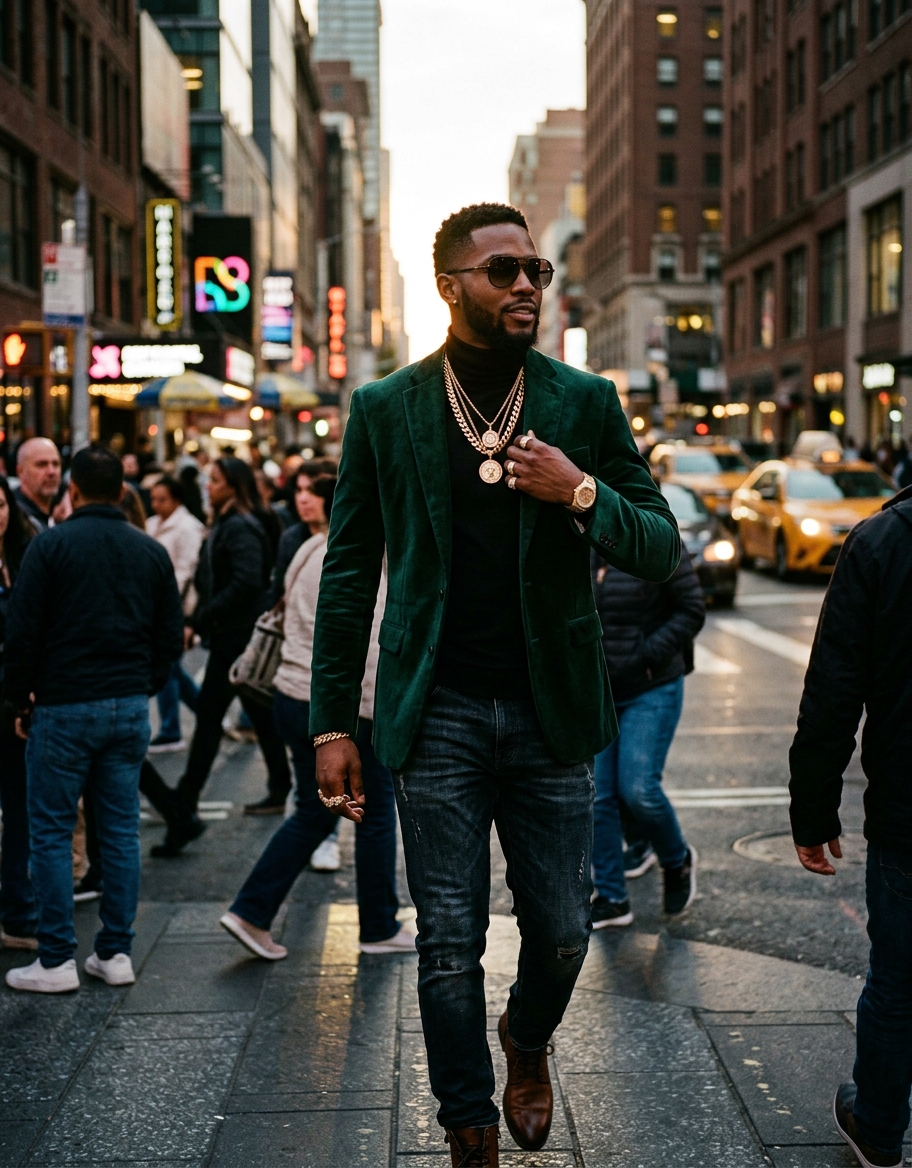
Start with fashion, the most obvious convert. The luxury houses didn't just start dressing artists; they adopted the culture's entire grammar — the drops, the hype, the scarcity, the collaboration. The seasonal calendar bent to the logic of the mixtape. Streetwear stopped being a category and became the operating system of the whole industry.
Spirits followed. An entire category learned that culture, not heritage, sets the tone for what the world pours. Artist-owned and artist-backed brands didn't just win shelf space; they taught legacy distillers that a co-sign moves more bottles than a century of tradition. The marketing playbook of an entire sector was rewritten in a decade.
Tech felt it next, and hardest. The platforms discovered that the attention economy runs on exactly the thing the culture produces in abundance — and that creators, once treated as free inventory, hold leverage that can topple a business model. Every 'creator economy' pitch deck is, whether it admits it or not, a footnote to hip-hop's insistence on ownership.
Sport is now indistinguishable from the culture that surrounds it. The tunnel walk, the signature line, the athlete-as-mogul template — all borrowed directly from the artists who showed that fame is a raw material to be refined into equity. Front offices study cultural relevance the way they once studied box scores.
Even finance caught the ripple. A generation fluent in flipping limited resources into outsized returns brought that instinct to cap tables, catalogs, and asset classes the old guard never imagined. The language of ownership — masters, publishing, equity, exits — moved from the studio to the mainstream because the culture made it aspirational.
The lesson for any business paying attention is blunt: hip-hop is not a marketing channel you switch on for a campaign. It is a set of operating principles — speed, authenticity, ownership, community — that has already reshaped the companies smart enough to listen. The ripple is still spreading. The only question is which industry it rewrites next.