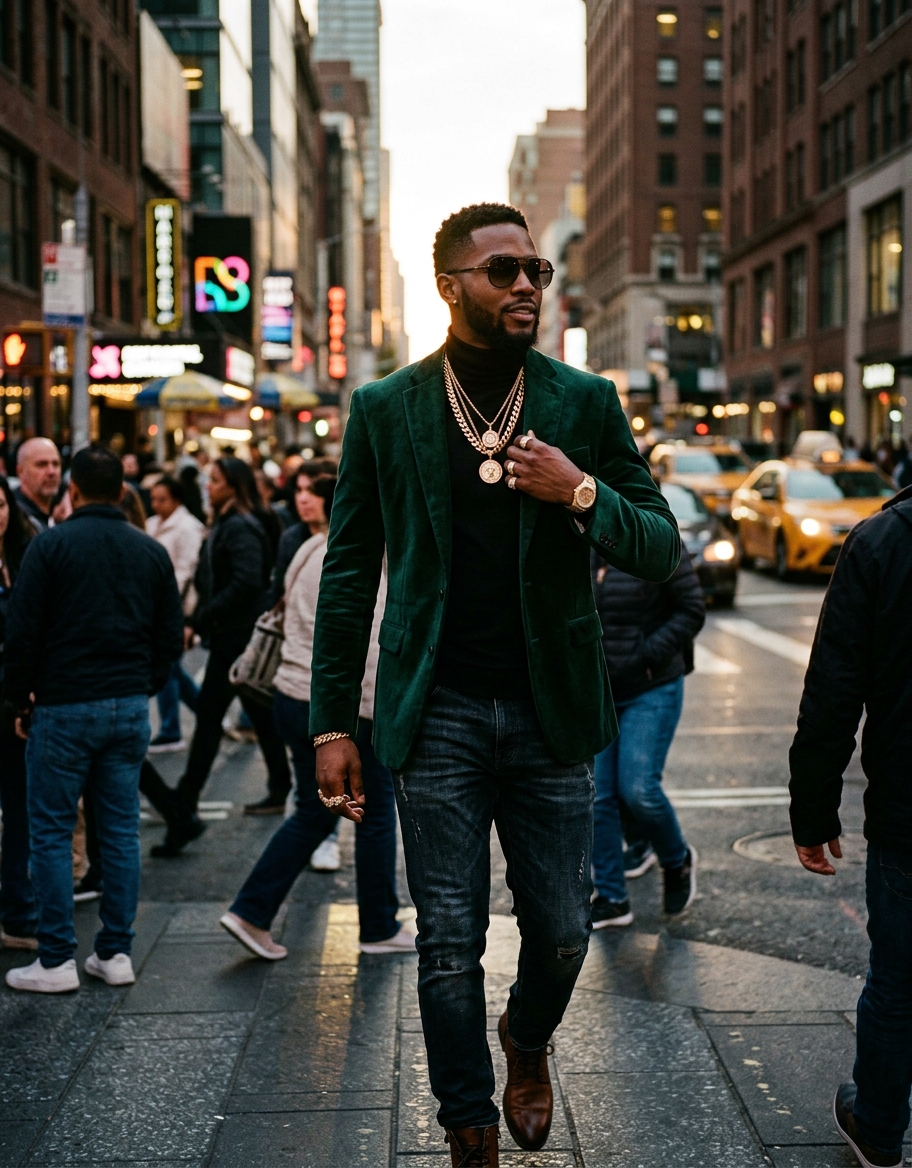
The Athlete Fortune Playbook
How the culture turned salaries into portfolios — and made the modern athlete richer off the field than on it.
The contract used to be the whole story. Sign the deal, cash the checks, and hope the money outlasted the career. That story is over. Today's athletes learned a different playbook — one written by the culture — and it turned salaries into portfolios and careers into dynasties.
The first lesson was leverage. Hip-hop taught a generation that fame is not the finish line; it's the raw material. Athletes watched artists convert attention into ownership and realized they were sitting on the same asset. The tunnel walk, the signature shoe, the social following — each became a business unit, not a perk.
The second lesson was equity over endorsement. A campaign check is a transaction; a stake is a position. The athletes building real wealth stopped renting their names to brands and started owning pieces of them — apparel lines, beverage labels, tech startups, even the teams and leagues that once simply employed them. The employee became the shareholder.
The third lesson was diversification with a narrative. The smartest fortunes we tracked aren't scattered bets; they're portfolios that tell a coherent story — a hometown real-estate play, a media company amplifying the athlete's voice, a fund investing in founders who look like them. The money compounds, but so does the meaning.
The culture supplied the network, too. The same rooms that produced artists, designers, and founders welcomed athletes as peers, and the cross-pollination made everyone richer. A locker-room connection becomes a cap-table connection. A studio session becomes a startup. Proximity to the culture is, itself, a financial asset.
There are cautionary tales — the advisors who took more than they gave, the ventures that looked good in a press release and nowhere else. The veterans preach the same discipline they once applied to their bodies: due diligence, ownership of mistakes, patience over hype. Build for the decade, not the quarter.
The result is a new kind of athlete — one whose net worth keeps climbing long after the final buzzer, because the culture taught them that the game was never just the game. It was the on-ramp to owning everything the game touches.