LONG OVERDUE: THE WOMEN WHO HELD RAP DOWN WHILE WE WEREN'T WATCHING
From the block parties to the Billboard charts, female MCs have been building empires in plain sight — and it's past time we hand them their flowers.
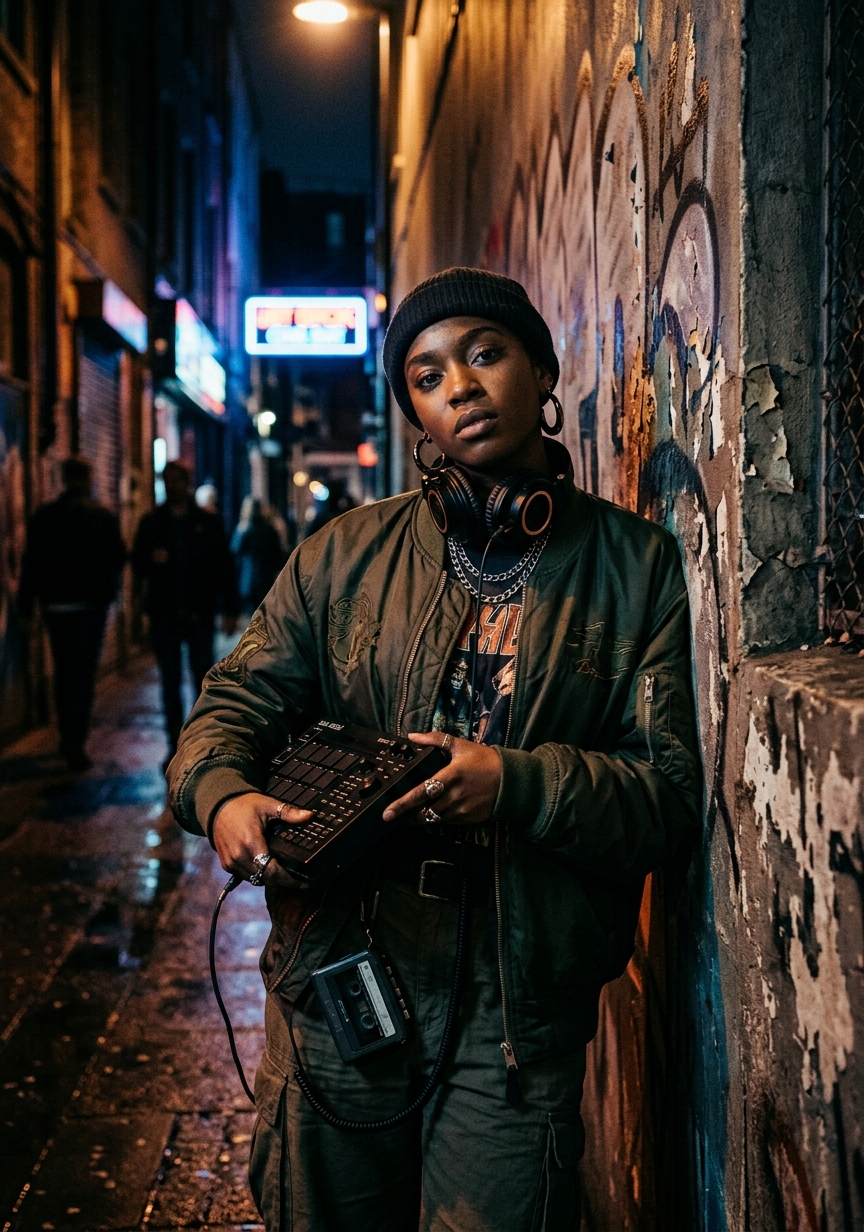
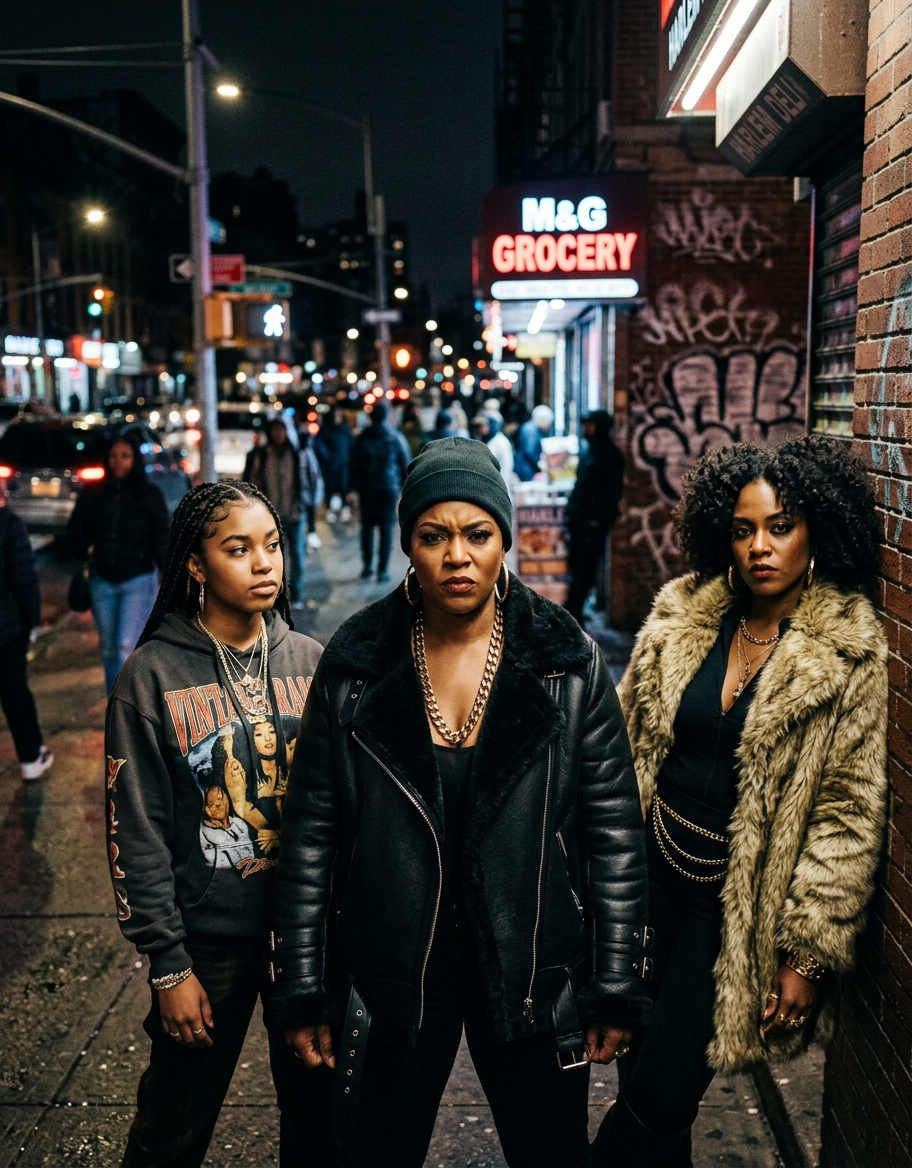
Let's get something straight right now. While the culture was busy crowning kings, the queens were in the lab, on the road, in the booth, and on the block doing the real work. We're talking about a generation of female rappers spanning 1980 to 2005 who didn't just survive the game — they architected it. Roxanne Shanté was bodying grown men on wax before she could legally drive. MC Lyte was spitting with a precision and command that made whole record labels nervous. Salt-N-Pepa turned boldness into a blueprint. Queen Latifah built a throne and then went and built a whole empire beside it. These women weren't waiting for permission. They were moving.
The industry has always had a complicated relationship with women in rap — celebrating them just enough to profit, then pushing them to the margins when a new narrative became convenient. But here's what the culture got wrong: absence from the spotlight is not absence from the work. Missy Elliott was rewriting the rules of production and visual artistry while people were still debating whether women could rap. Da Brat cracked platinum ceilings in an era when that was genuinely unheard of. Foxy Brown and Lil' Kim weaponized their femininity and dared the world to look away. Lauryn Hill delivered one of the greatest albums in the history of recorded music — full stop, no genre qualifier needed. The grind was uninterrupted. The receipts are immaculate.
Then there's the wave that carried into the early 2000s — Eve, Remy Ma, Jean Grae, Trina — women who came in with different energies, different flows, different visions, all equally valid, all equally slept on in real time. Jean Grae was rapping circles around the entire underground and getting a fraction of the critical real estate she deserved. Remy Ma was putting in street credibility and lyrical work that should have had her name etched into every serious rap conversation. Eve brought a rawness and a global polish that bridged worlds. These weren't one-hit phenoms. These were career artists operating at elite levels while the culture kept asking the wrong questions.
NERO SUN is calling it right here, right now — the flowers are not just due, they are overdue with interest. The streaming era is slowly correcting the record, younger generations are going back into the crates and having their minds blown, and the conversation is finally shifting. But let's not wait for a Netflix documentary or a posthumous playlist to act like we knew all along. We owe these women the full recognition, the full credit, and the full cultural moment they earned with every bar, every tour, every reinvention. The game was never built without them. It's time the game said so out loud.