North Star Money
Black Americans are crossing the border to reclaim their history — and Canada's forgotten Black towns are about to cash in.
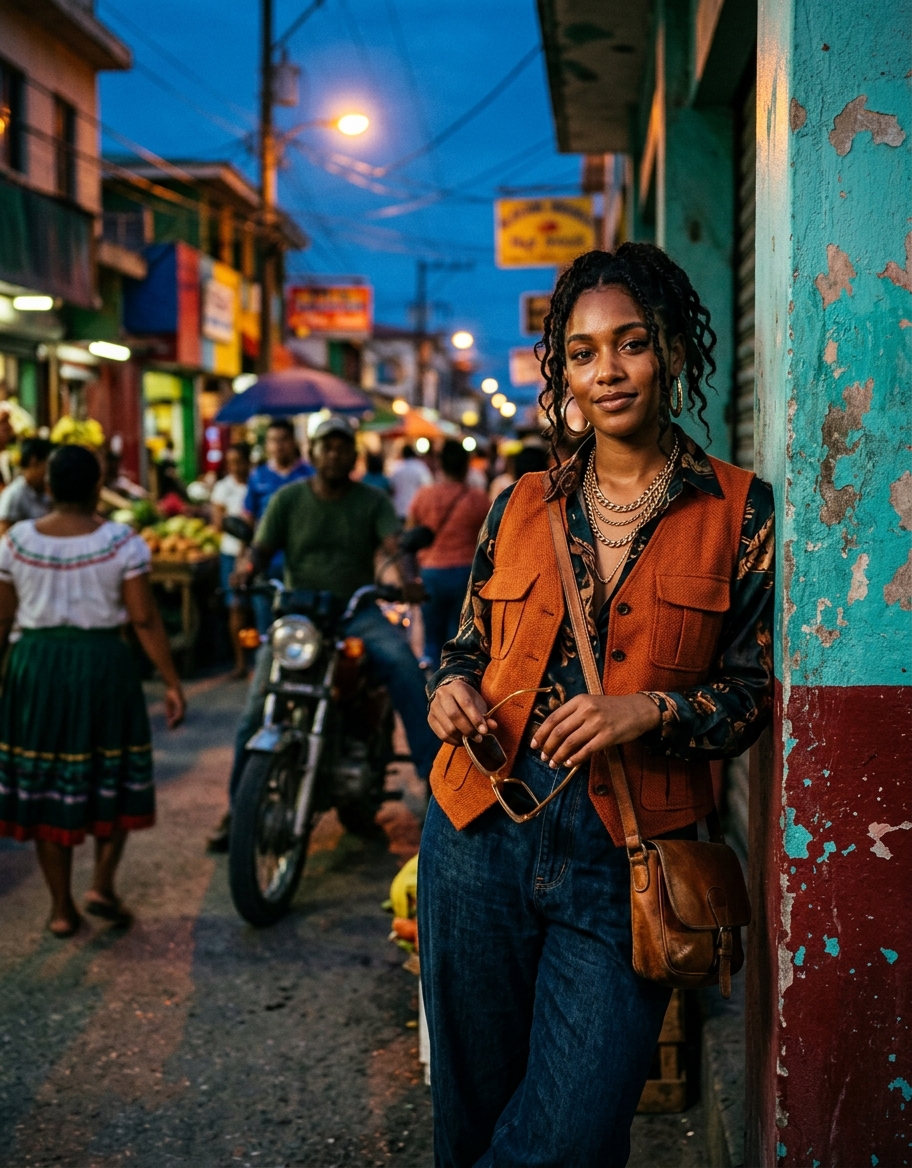
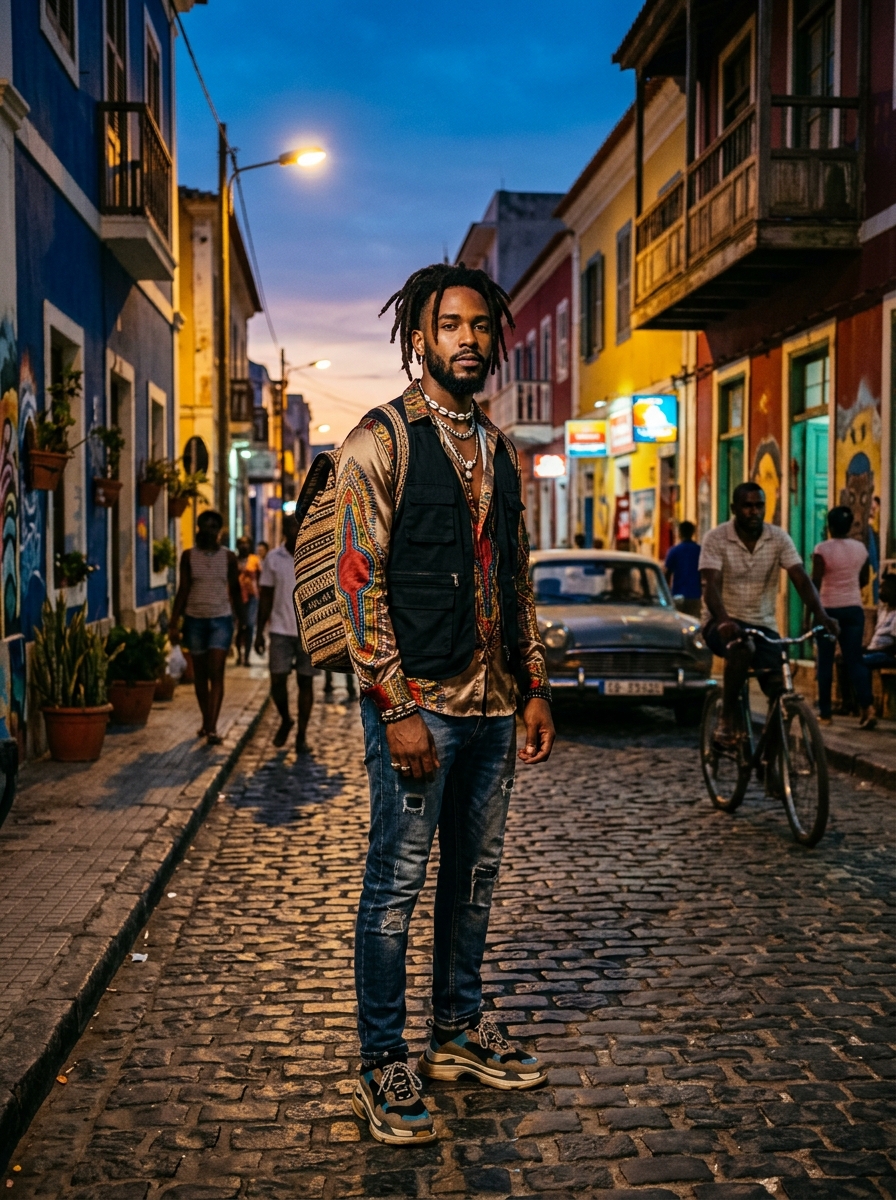
There is a route older than any highway, older than any airline miles program, older than any travel influencer telling you where to spend your summer. It ran north through darkness and danger, guided by stars and whispered instructions, and it ended in Canada — in freedom. Now, generations later, Black Americans are retracing that route not on foot but by plane, by car, by caravan, with passports and credit cards and a hunger to touch something real. Heritage tourism is booming, and Canada is sitting on a goldmine it barely knows it has.
The numbers are starting to speak. Black travel spending in the United States alone exceeds 109 billion dollars annually, and a growing slice of that market is moving toward intentional, roots-driven journeys. Destinations like Africville in Nova Scotia — the tight-knit Black community bulldozed by Halifax in the 1960s in what many call an act of environmental racism — are drawing visitors who want to stand on that ground and understand what was taken. The Africville Museum, rebuilt on the original site, is no longer a local footnote. It is becoming a pilgrimage point, and the restaurants, bed-and-breakfasts, and tour operators around it are beginning to feel the heat of that attention in the best possible way.
 Hip Vodka Island life
 Ontario carries its own weight in this conversation. The town of Dresden, home to the Josiah Henson Museum — the man whose life inspired Uncle Tom's Cabin and who helped establish a self-sufficient Black settlement called the Dawn Settlement — is a chapter most American schools never taught. Neither is Buxton, just down the road, a thriving 19th-century Black community where formerly enslaved people built farms, schools, and a brass band that could out-play anybody in the county. These are not small stories dressed up for tourism. These are seismic stories waiting for the audience they deserve, and Black Americans arriving with curiosity, cameras, and cash are ready to give it to them.
Canada has historically been cautious about marketing its Black heritage the way it markets its mountains or its maple syrup. That era needs to end immediately. Tourism boards in Nova Scotia, Ontario, and New Brunswick are beginning to develop Black heritage corridors and cultural itineraries, but the infrastructure — the boutique hotels, the guided immersive experiences, the culinary tours rooted in the food traditions those communities carried north — needs to match the moment. The economic injection that comes with diaspora tourism is not theoretical. Look at what roots travel has done for Ghana since Year of Return. Look at what it continues to do for the American South among Black travelers reclaiming complicated ground. Canada has the receipts of actual freedom. That is a different and powerful proposition.
For Black Americans exhausted by a domestic landscape that too often makes them justify their presence, Canada represents something layered — both a historical refuge and a contemporary exhale. Travelers are reporting a different energy in these communities, a sense of being expected, of belonging to the arc of a story that did not start in trauma but ended in triumph. That emotional transaction is worth more than any billboard campaign. Word of mouth in Black travel communities spreads fast and far, and the towns that are ready — the ones with the stories, the hospitality, and the vision to build around them — are about to see a wave.
The Underground Railroad did not end in Canada. It is still moving, still carrying people north toward something better. Today that something is knowledge, connection, and the right to stand in a place where your ancestors were not property but builders. Black tourism is not a trend. It is a reckoning, and Canada — if it moves with urgency and respect — has the rare opportunity to be on the right side of history twice.