ONE LOVE, ONE RHYTHM
When Lagos meets Kingston, the result isn't just music — it's a full-body takeover that no border can contain.
Something seismic is happening on dance floors from Brixton to Brooklyn, from Accra to Kingston, and if you haven't felt the tremors yet, you're either not paying attention or you're standing in the wrong room. Afrobeat and Jamaican dance hall music — two of the most electrically charged sonic traditions on the planet — are colliding in real time, and the fusion they're birthing is rewriting the rules of global rhythm. This isn't a trend piece. This is a dispatch from the front line of a cultural earthquake.
At its core, this marriage makes perfect sense. Both genres carry the DNA of resistance, of joy weaponized against oppression, of communities turning pain into percussion. Fela Kuti's Afrobeat was always a political thunderstorm wrapped in polyrhythmic groove. Dancehall, born from the Kingston yards of the late seventies, was never just music — it was survival with a sound system. When artists like Burna Boy, Wizkid, and Popcaan start orbiting the same studio spaces, when Afrobeats productions start absorbing that riddim bounce and dancehall MCs start riding Afropop chord progressions, something ancient and something brand new happen simultaneously.
 Clear Nights Smooth Finish
The production landscape is where this fusion gets truly dangerous. Producers like London's P2J and Killertunes out of Lagos are engineering tracks that feel like they exist outside of geography — tracks where the one-drop rhythm breathes underneath shimmering West African guitar lines, where bass frequencies borrow from dub's cavernous echo while the percussion pattern snaps with that unmistakable Afrobeat complexity. Play one of these records at the right volume and your body doesn't ask questions. It just moves. That's the whole point. That's always been the whole point.
The artists driving this convergence are not interested in academic credibility or genre gatekeeping. Masicka has been flexing Afro-influenced flows for years. Skillibeng's electric energy translates seamlessly over Lagos-produced instrumentals. And then there's Omah Lay, whose voice carries that island lilt even when he's rapping in Pidgin, blurring the sonic passport stamp so completely that you forget to ask where the music is from. It's from everywhere. It's from the diaspora as a living, breathing, moving thing.
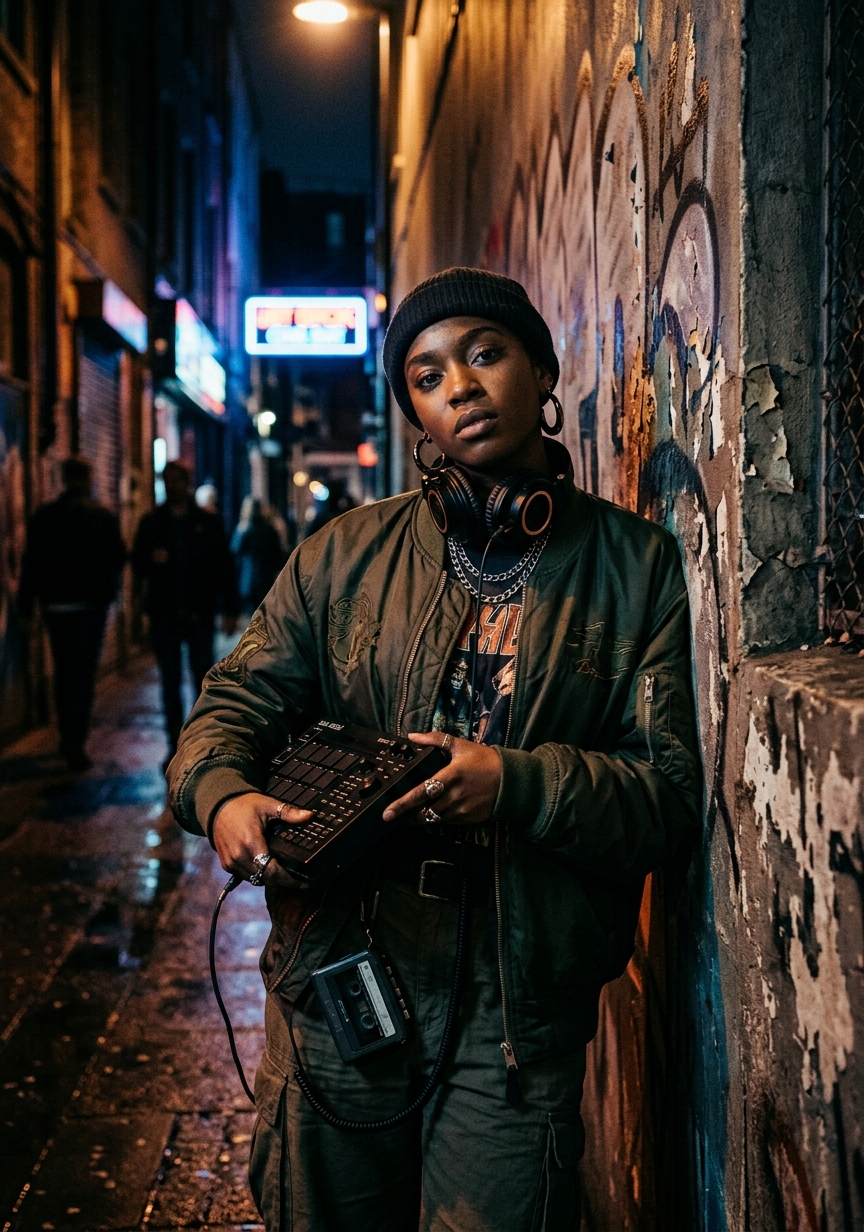
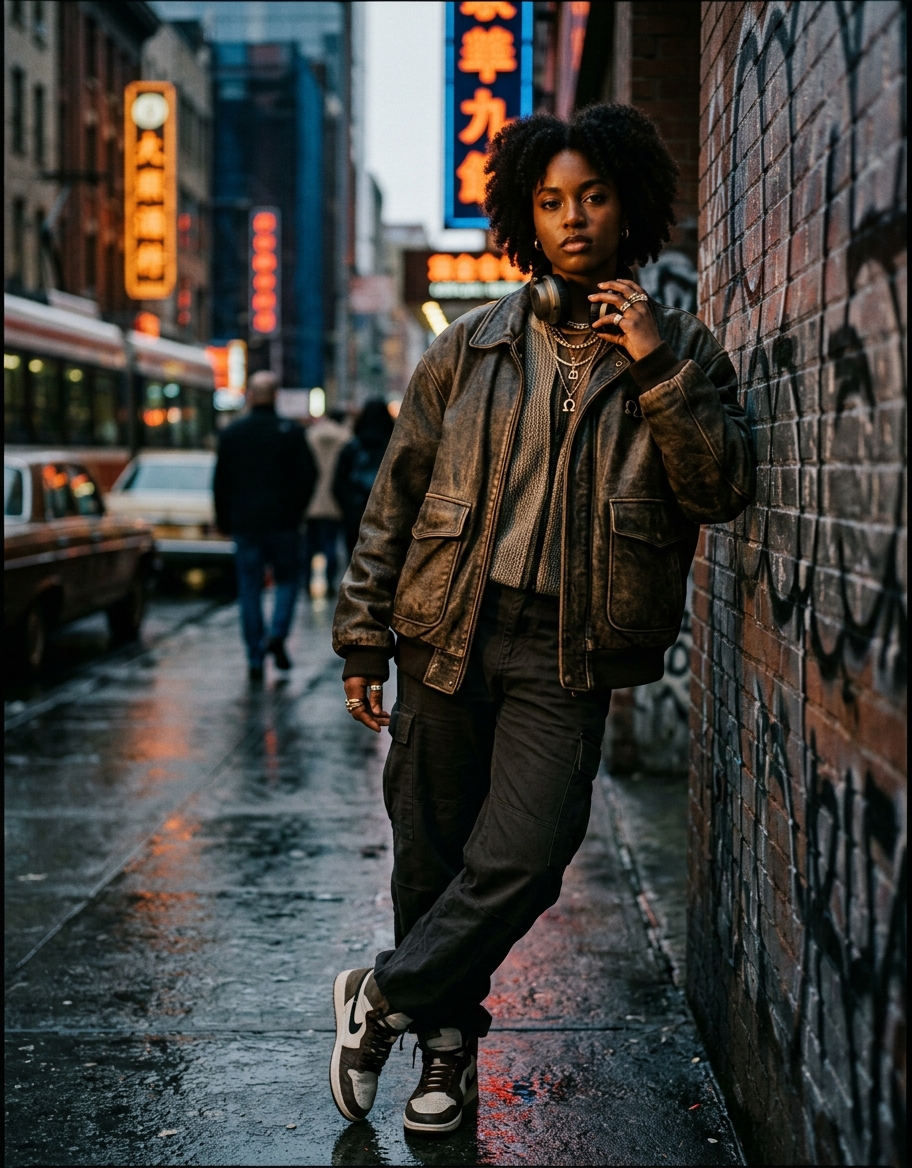
The cultural crossover extends beyond just sound. The fashion that surrounds this scene — the bleached denim, the bold prints, the designer slides over raw street aesthetic — is its own visual language translating the same story. The dance styles emerging from this fusion are hybrid and kinetic, combining azonto footwork with dancehall wine in ways that are already going viral before choreographers can even name the moves. This is culture evolving faster than critics can catalogue it, and that speed is the whole flex.
What Afrobeat and dancehall together represent is the Black Atlantic finally completing its circuit — rhythms that traveled through slavery, colonialism, and diaspora are finding each other again on the other side of all that history and making something transcendent. The frequencies connect Lagos to Kingston to London to Toronto to São Paulo in one unbroken wave. You don't need a translator. You need speakers, floor space, and the good sense to stop overthinking it. The riddim already knows the way home.