Plug In or Pick Up: Is the Instrument Dead?
In an era where a bedroom producer can build a platinum record from a laptop and a dream, we ask the uncomfortable question nobody in the industry wants to answer.
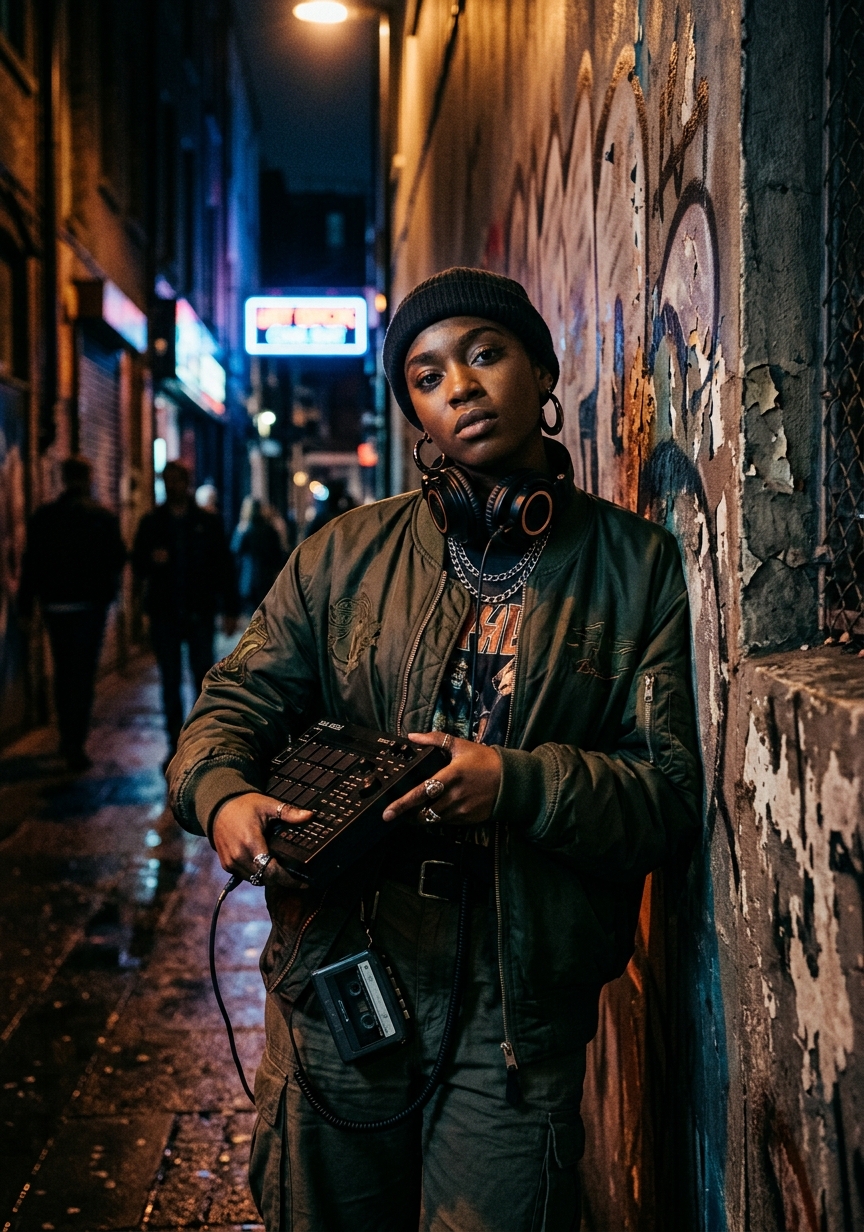
Walk into any major studio session right now and tell us what you see. A guitarist hunched over a vintage Les Paul? A drummer sweating through a live take? Probably not. What you're more likely to find is a 23-year-old in a hoodie, AirPods in, scrolling through sample packs on a 32-inch monitor while Auto-Tune does the heavy lifting on vocals laid down in twenty minutes flat. The algorithm has become the instrument. The DAW has become the band. And somehow, someway, the music still slaps — which is exactly what makes this conversation so complicated.
Let's be honest about where we are. Hip-hop, the dominant cultural force on the planet for the better part of three decades now, was literally built on the act of not playing instruments in the traditional sense. Sampling, looping, drum machines — these were the rebellious answers to a music industry that wouldn't let Black artists into the room. DJ Premier flipping a jazz record into a cage-rattling beat wasn't laziness. It was genius. It was a new language. So when people clutch pearls about "real musicianship," we have to ask: real by whose definition, and who wrote those rules in the first place?
 Hip Vodka Island life
But here's the tension that keeps serious heads up at night. There's a generation of kids growing up who have never felt the specific frustration of a guitar string cutting into a virgin fingertip, never sat at a piano bench drilling scales until their wrists ached, never had a drum teacher tell them their timing was trash. That physical relationship with sound — the cause and effect of touch producing tone — rewires your brain in ways that no plugin can replicate. Questlove isn't just a drummer. He's a walking encyclopedia of groove who hears music differently because his body learned to speak it first. That kind of depth doesn't come from dragging a MIDI clip to a timeline.
The artists proving this point loudest right now aren't doing it quietly. Anderson .Paak builds his whole identity around that drum kit. Gary Clark Jr. is out here reminding rooms full of people what a guitar actually feels like when it means something. Chloe x Halle started with instruments before the industry tried to sand their edges smooth. And look at what's happening in Afrobeats, in Amapiano, in the New Orleans bounce scene — live percussion and keyboards bleeding into electronic production, creating something neither world could make alone. The hybrid is where the culture is actually moving, not toward one extreme or the other.
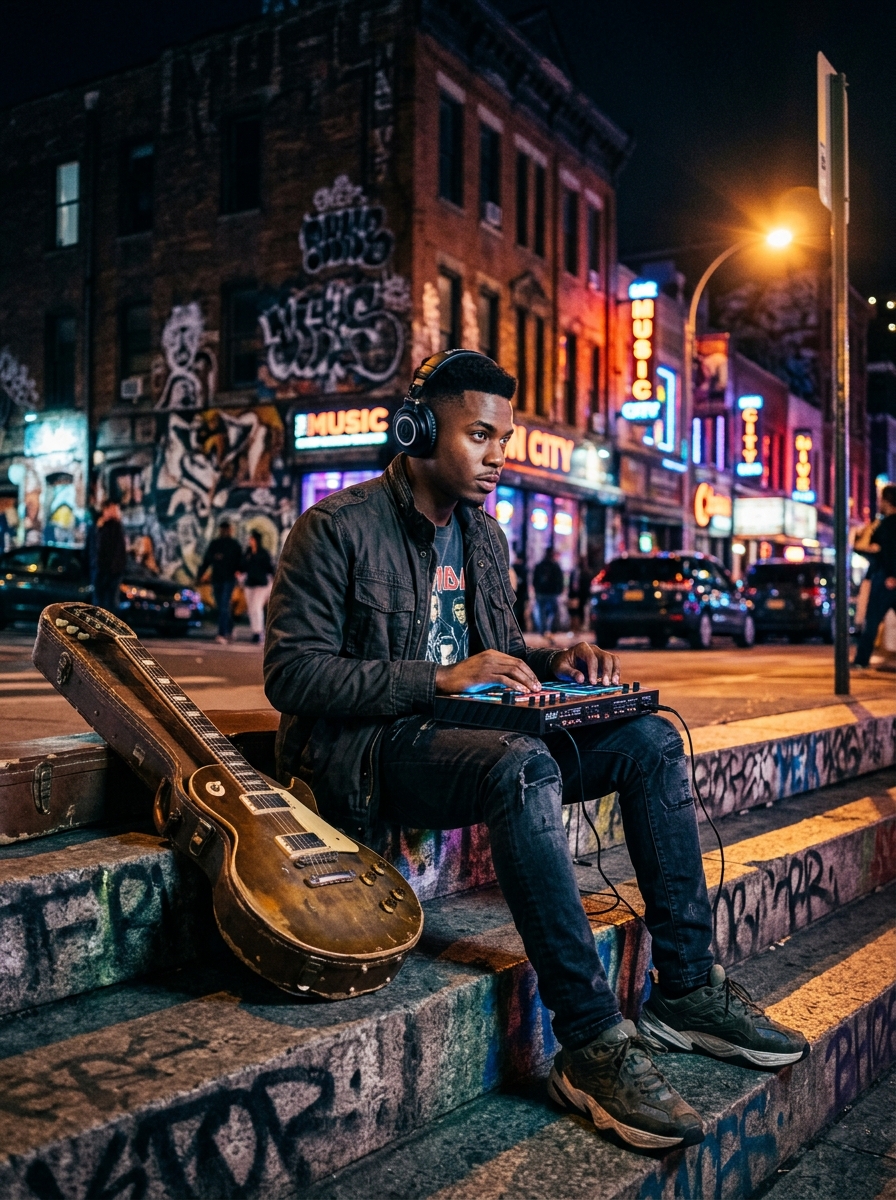
The uncomfortable truth is that instruments never left — they just stopped being the centerpiece of the poster. The most forward-thinking producers today are the ones who can flip between a Roland 808 and a real bass guitar without breaking a sweat, who understand that limitation breeds creativity whether you're working with six strings or six stems. Instruments are the underground current running beneath every surface-level trend. And like everything else the culture eventually circles back to, they're about to get loud again.
So no, the instrument is not dead. It's been in the basement, getting better. It's been waiting for the moment when everyone got bored of the same recycled sounds bouncing off the same algorithm walls. That moment is closer than you think. And when it arrives, the ones who kept practicing — who kept their calluses tough and their ears sharp — are going to walk into the room and completely change what's possible. The question was never whether people still play instruments. The question is whether you'll be ready when they do.