POLO GODS
Before streetwear had a name, a generation of Black kids in Manhattan and Brooklyn turned Ralph Lauren into a religion — and the congregation was very, very exclusive.
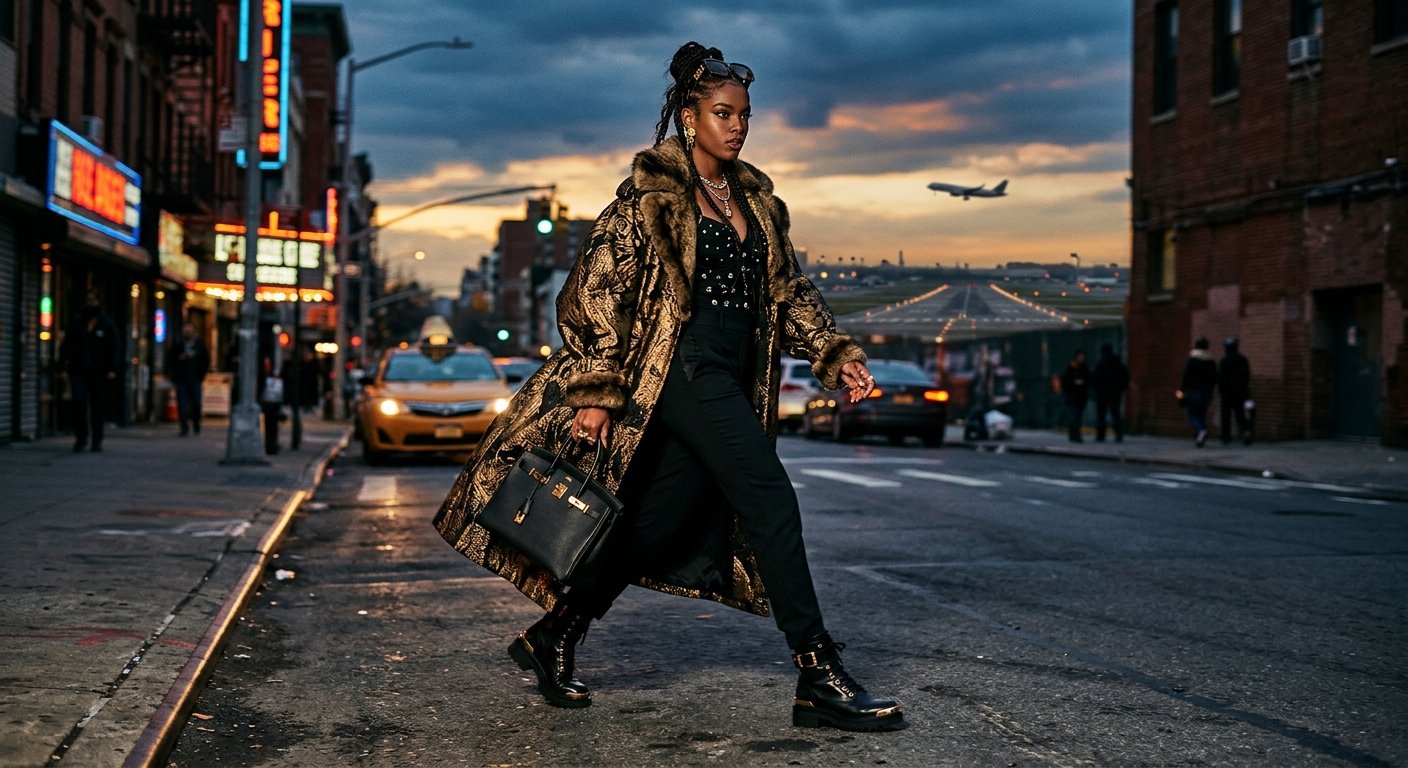
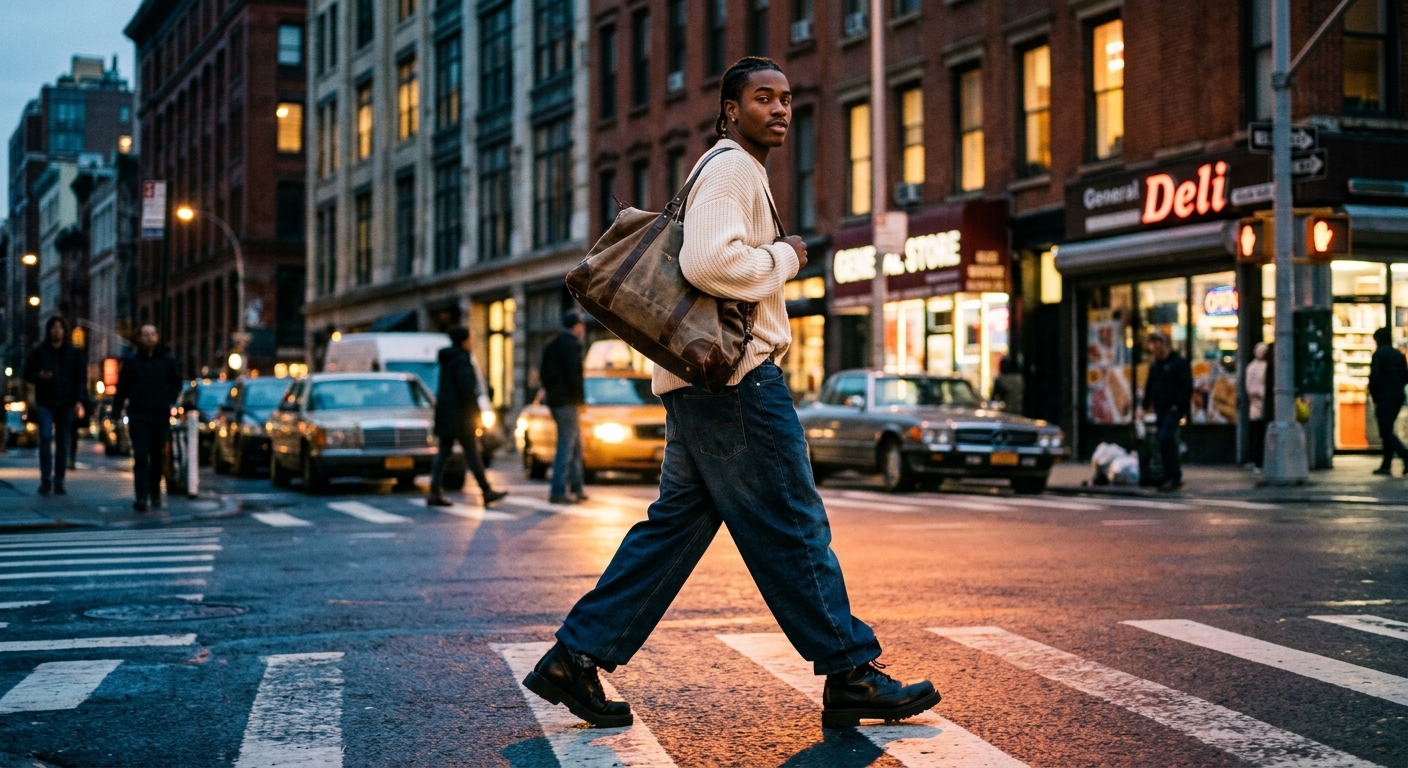
There is a specific kind of hunger that lives outside department stores. It pressed its face against the glass of Bloomingdale's on 59th Street, memorized every colorway of every Rugby shirt hanging in the window, and then figured out another way to get it. In the late 1980s and early 1990s, a tight network of Black youth across Harlem, Bed-Stuy, Crown Heights, and the Polo Grounds housing projects built something Ralph Lauren never designed for them — a subculture so ferocious in its devotion, so surgical in its curation, that it rewrote the DNA of what luxury even meant on American streets. This was not trend-following. This was conquest.
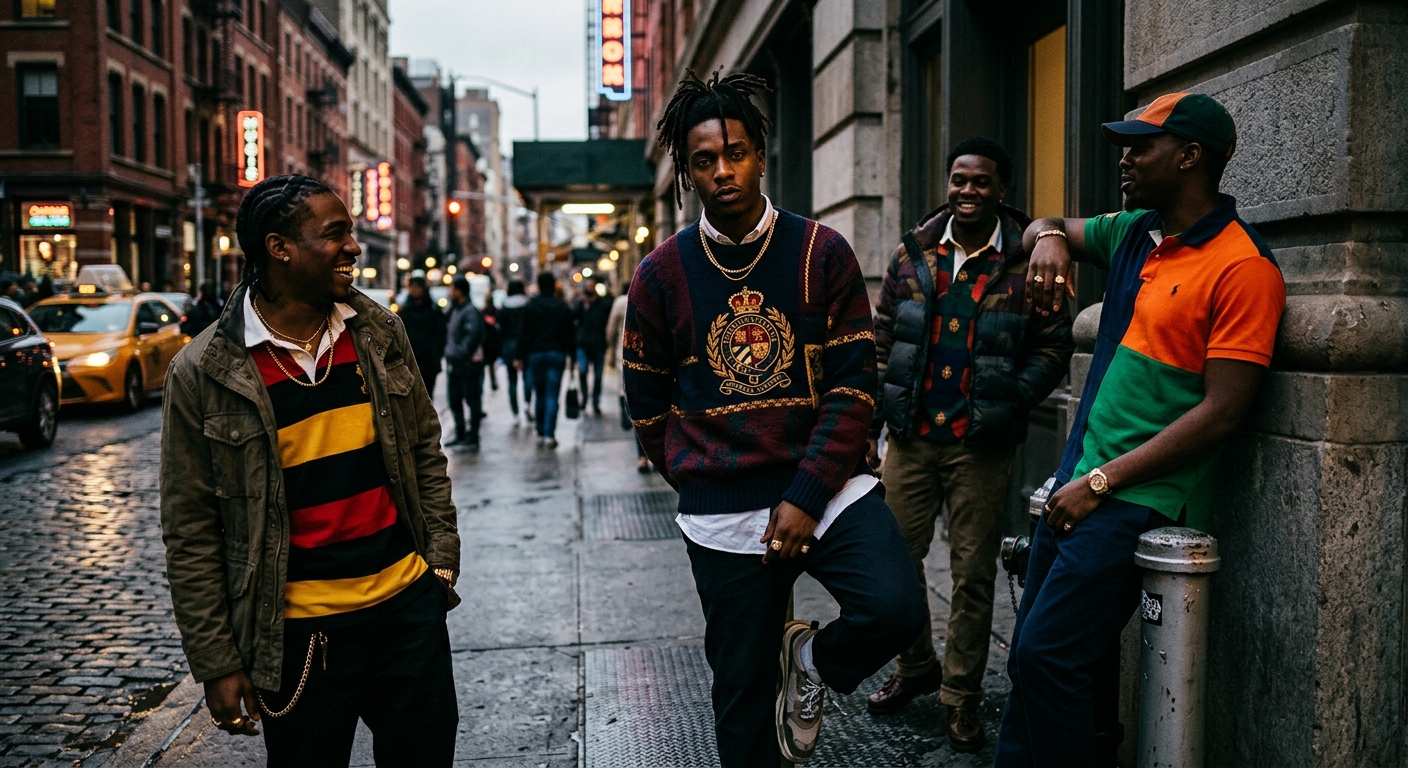
The Lo Lifes are the chapter everyone eventually finds, but the chapter begins deeper than that. Before Thirstin Howl the 3rd and Rack-Lo codified the movement, there were just kids — sharply dressed, criminally stylish kids — who understood that Polo Ralph Lauren represented something America kept trying to tell them they couldn't have. The brand was built on fantasy: old money, equestrian weekends, the Ivy League. It was aspirational architecture aimed directly at white upper-class consumption. Black teenagers in Brooklyn looked at that fantasy and did not feel excluded. They felt challenged. And they responded by out-dressing every prep school in the country.
 Hip Vodka Island life
 The collecting culture that emerged was ferocious and intimate. These were not closets — they were archives. A single Polo Snow Beach pullover, the Stadium collection pieces, the bear knit sweaters — these items circulated through small, tight social circles the way rare records moved through crate diggers. You knew who had what. You knew who wore it first. There was an entire taxonomy of credibility built around not just owning a piece but knowing its season, its rarity, its exact place in the Lauren catalog. Kids who could not afford tuition could name every collection drop from 1988 to 1993 like scholars. Because they were scholars. Just of a different kind of canon.
What made the Manhattan and Brooklyn polo scene so distinct from anything happening elsewhere was its hyper-local social architecture. These were not internet communities. There was no algorithm feeding you what to want. Influence moved block by block, borough by borough, through barbershops and park benches and house parties in Crown Heights walk-ups. If you showed up to the wrong gathering in a knockoff, you felt it immediately. The circle was small enough that reputation traveled fast and the standards were cathedral-high. A genuine Polo Chaps belt or a color-blocked Polo Sport jacket could shift your entire standing in a room. Fashion was status, and status was survival, and survival had to look immaculate.
The irony that Ralph Lauren himself — born Ralph Lifshitz in the Bronx, the son of Jewish immigrants — had constructed this mythology of Anglo-Saxon leisure that Black kids in his own city then reclaimed with more passion than its intended audience ever showed is one of American fashion's most electric contradictions. The Lo Lifes did not just wear the brand. They haunted it. They made Polo mean something rawer, realer, and more urgent than any ad campaign ever could. When the brand finally acknowledged the culture decades later, the culture had already moved three steps ahead, the way it always does.
The legacy lives in every Supreme drop that sells out in eight seconds, in every sneaker raffle that turns a parking lot into a pilgrimage, in the entire language of modern streetwear luxury. The architecture of hype, the theology of the limited item, the social capital embedded in cloth — Black New York built that framework stitch by stitch on Polo shirts boosted from department stores and traded across boroughs like sacred texts. They were not consumers. They were architects. And the building they constructed is still the one everybody else is trying to get into.