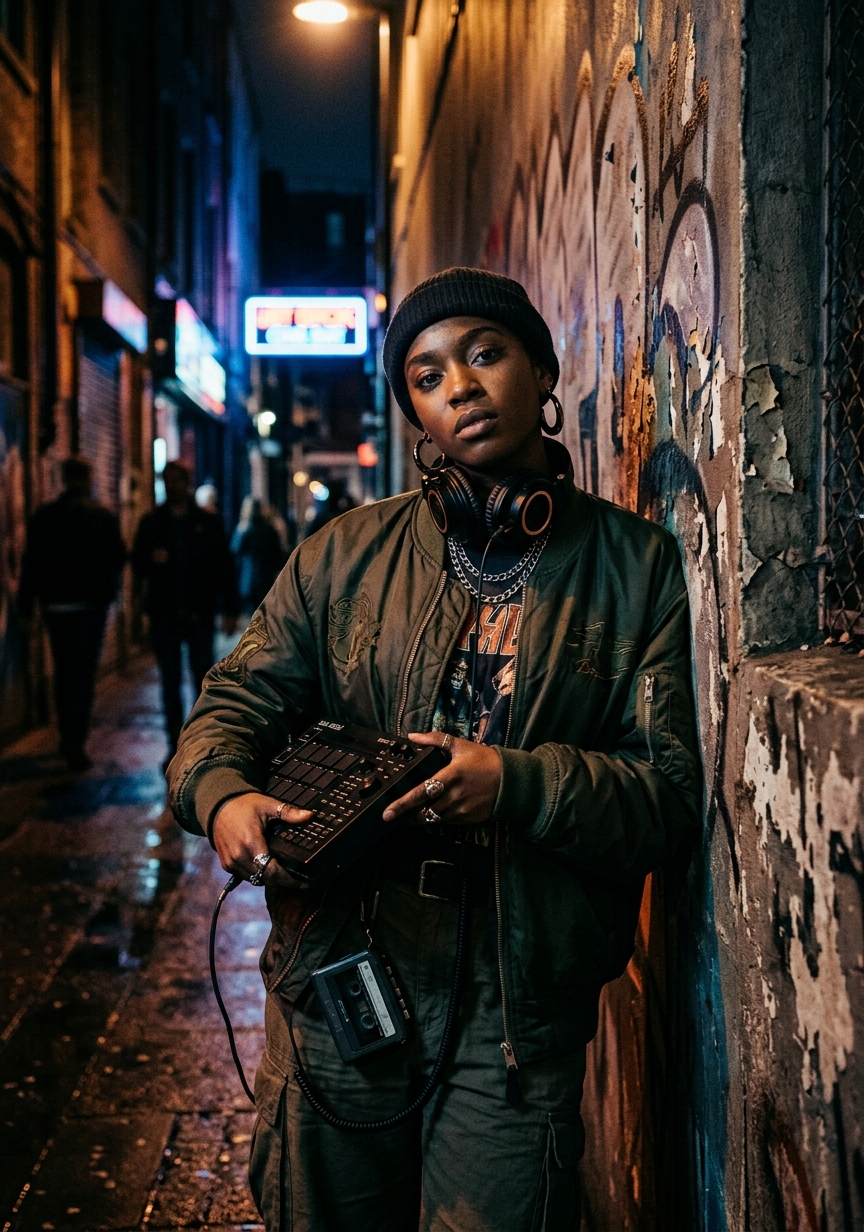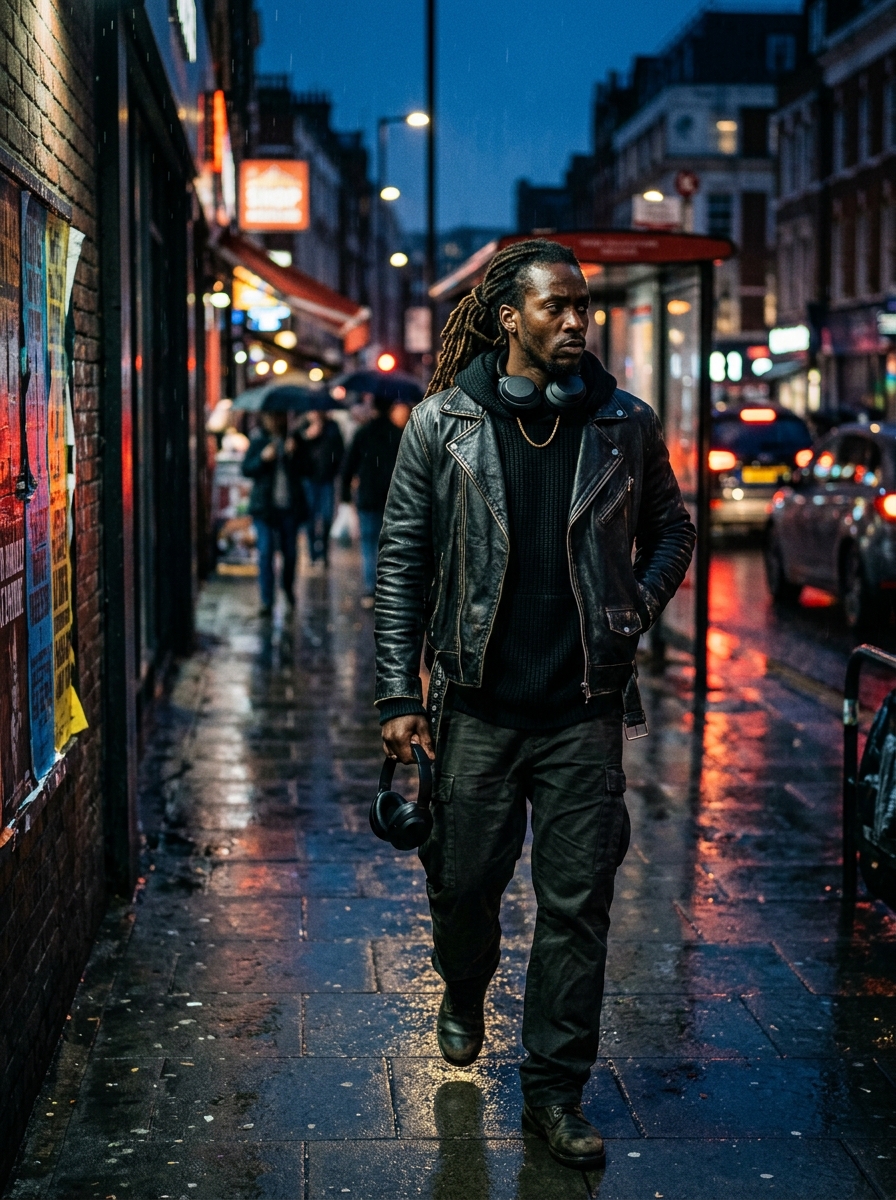
RIDDIM REPARATIONS
Jamaica gave the world its heartbeat and got played — now the producers are pulling up with receipts and demanding what's owed.
Let's set the record straight before we go any further. Every time a 808 rolls under a trap hi-hat, every time a pop chorus floats over a one-drop groove, every time a reggaeton dembow shakes a stadium in São Paulo or Seoul, there is a small island in the Caribbean that should be cashing a check. Jamaica — nine hundred miles of coastline, three million people, and an almost supernatural ability to reshape global sound — has been the most robbed nation in the history of recorded music. Ska, rocksteady, reggae, dancehall, dub. Five distinct genres, each one a seismic cultural event, each one strip-mined by the industry and repackaged with someone else's name on the marquee. The receipts exist. They always existed. The question was always who had the nerve to present them.
Trace the lineage and the theft becomes almost embarrassingly obvious. Dub music, born in Kingston studios in the late 1960s, invented the remix, invented the instrumental flip, invented the concept of the producer as the primary artist — decades before EDM producers were selling out arenas and collecting Grammy plaques. King Tubby was doing Avicii's entire career in a concrete room on Drummond Street with a four-track board and zero credit from the mainstream. The dembow rhythm that drives every single reggaeton record ever made was lifted directly from Jamaican dancehall in the early 1990s and rebuilt in Puerto Rico without so much as a liner note acknowledgment. Lovers rock bled into the DNA of UK R&B and then UK pop until artists like Sade and later Craig David were essentially translating a Jamaican emotional vocabulary for a British market. The money flowed north and west. Kingston stayed Kingston.
What is different now is that the producers are organized, vocal, and connected in ways that previous generations never had access to. Tainy, the Puerto Rican hitmaker, has publicly discussed the Caribbean debt in interviews. Producers like Rvssian and Notnice are operating at the highest levels of the global industry while actively championing the Kingston pipeline that built them. A new generation of Jamaican beatmakers is using social media to document their influence in real time, tagging samples, timestamping innovations, building an undeniable paper trail across TikTok and Twitter before the culture vultures even have a chance to circle. The conversation has moved from grateful acknowledgment to structural demand — publishing credits, royalty splits, co-production recognition, and the kind of institutional respect that rewrites history textbooks rather than just adding a footnote.
The world has been dancing to Jamaica's rhythm since before most of its current pop stars were born. Afrobeats producers in Lagos will tell you straight — the riddim structure was the blueprint. Producers in Atlanta built an empire on tempos and bass frequencies that trace directly to Sound System culture. Even K-pop, in its obsessive attention to rhythm architecture and live performance energy, owes a spiritual debt to the dancehall stage. The bill is long and the interest has been accumulating for sixty years. Jamaica is not asking for sympathy. It is not asking for a tribute night or a heritage award. It is asking — actually, scratch that — it is telling the industry that the era of taking without paying is finished. The riddim never lied. Neither will the invoice.