THE CONTINENT IS DRESSING
From the Gold Coast to the horn, African menswear isn't entering the conversation — it's taking the whole damn room.
Something seismic is happening in global fashion, and if you've been sleeping on it, wake up. African menswear — rooted in centuries of textile mastery, cultural ceremony, and unapologetic identity — is no longer a footnote in the style conversation. It's the headline. From the streets of Accra to the markets of Lagos, Nairobi to Dakar, a new generation of African men is dressing with a confidence and intentionality that's making the rest of the world put their moodboards down and pay attention.
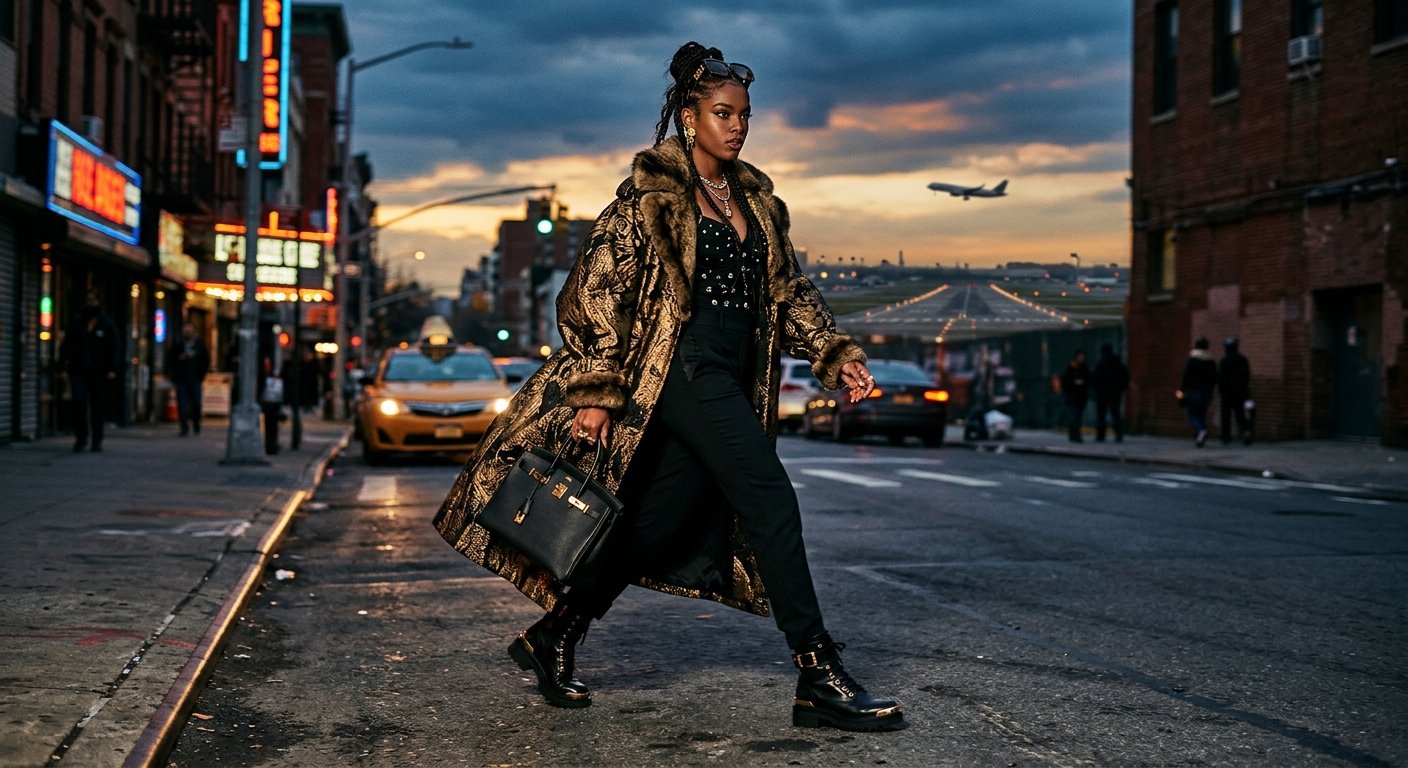
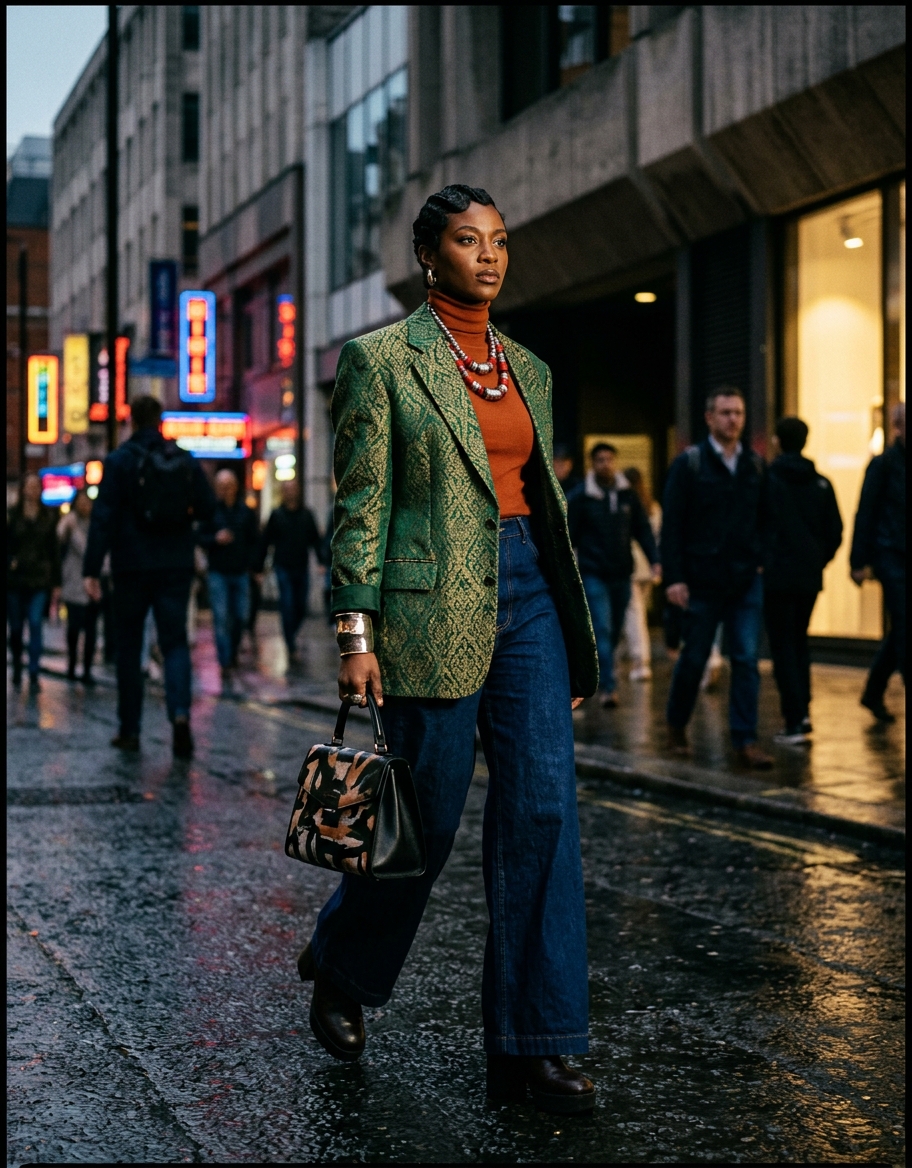
Ghana, historically known as the Gold Coast, is leading with swagger. Kente cloth — once reserved for royalty and ritual — is being recut into tailored blazers, wide-leg trousers, and statement coats that hit just as hard at a Lagos rooftop party as they do on a European runway. Designers like Christie Brown and emerging Accra-based menswear labels are fusing traditional weaving techniques with contemporary silhouettes, creating pieces that don't just look good — they carry weight, history, and meaning in every thread.
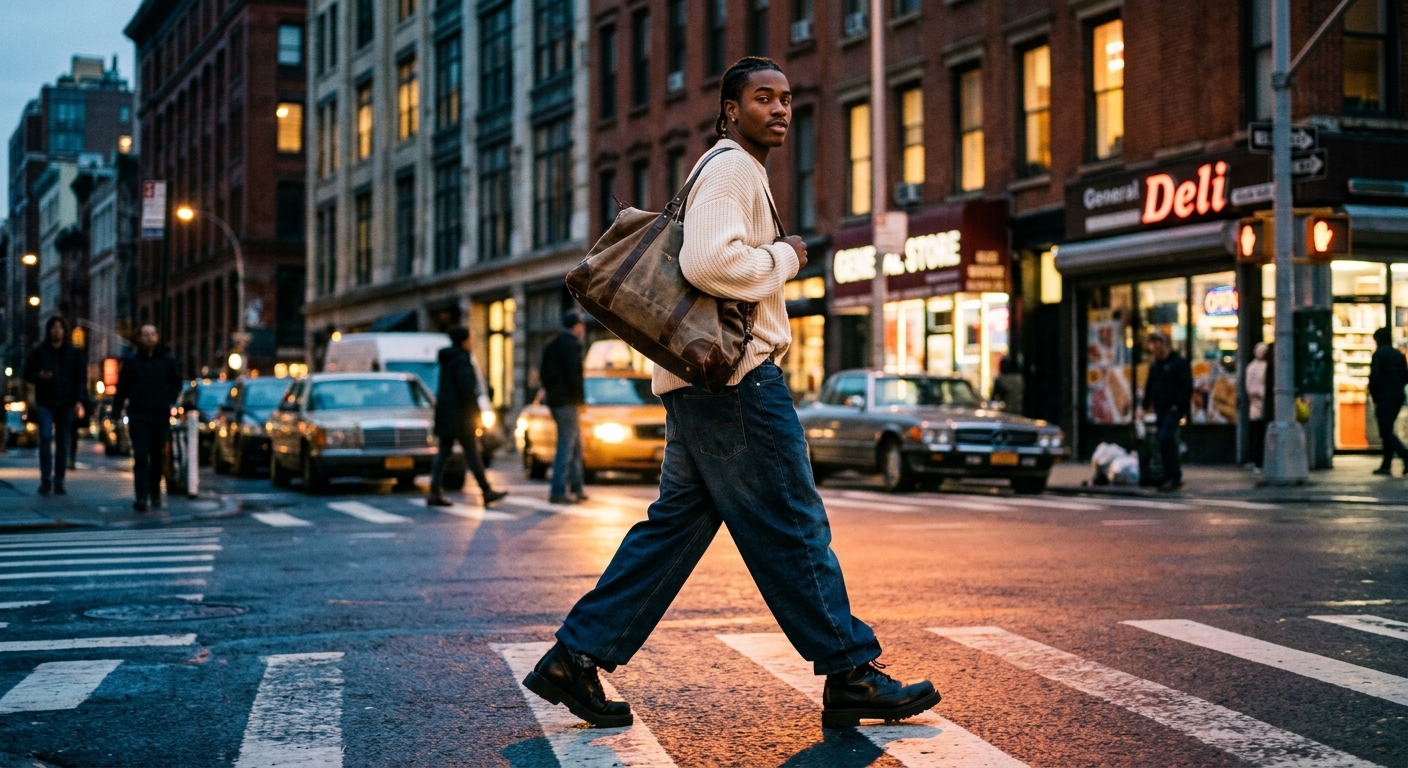
Nigeria is running parallel with a creative explosion that's impossible to ignore. The Aso-Oke renaissance is real. What was once your grandfather's ceremonial fabric is now being draped, deconstructed, and reimagined by Lagos designers who understand that heritage and hype are not mutually exclusive. Streetwear imprints are sampling Yoruba and Igbo textile traditions the same way producers sample breaks — flipping something classic into something undeniably fresh. The result is a menswear aesthetic that is simultaneously ancestral and futuristic.
Then there's East Africa, where Kenya and Ethiopia are quietly but powerfully building their own fashion identities. Nairobi's creative class is blending beadwork traditions of the Maasai with clean, architectural cuts that wouldn't look out of place in Milan. Ethiopian designers are drawing from centuries-old cotton weaving — the shamma, the habesha aesthetic — and translating it into modern suiting that has an elegance and restraint that European fashion houses spend decades trying to manufacture. This is not imitation. This is origin.
Senegal and the broader Francophone African fashion corridor are adding another dimension altogether. Dakar has long had a sophisticated relationship with tailoring — bold colors, flowing boubous reimagined as luxury resort wear, and a dandy tradition that makes Paris look like it's still taking notes. Designers in this space understand proportion, drama, and the power of a silhouette that commands a room before the man wearing it even speaks. West African style has always had that — the knowing confidence of a culture that never needed outside validation to know it was fly.
The global moment is here, but make no mistake — this isn't a trend. Trends are borrowed. This is a revolution being worn. As African fashion weeks gain international press, as diaspora designers bridge continents, and as the world finally starts tuning into what the continent has always known about itself, one thing is crystal clear: African menswear doesn't need the world's cosign. It just finally has its microphone turned all the way up.