THE PILLARS DON'T LIE
Before the streaming numbers, the brand deals, and the Met Gala fits, hip-hop built itself on five unshakeable pillars that still hold the whole thing up.
Strip away the platinum plaques and the private jets and what you find underneath hip-hop is architecture. Real, load-bearing architecture. The culture didn't arrive from a boardroom or a marketing deck — it erupted from the South Bronx in the early 1970s like something the pavement had been holding back for years. DJ Kool Herc looped a drum break, a crowd went feral, and suddenly the world had a new language. Every element that followed — every bar, every tag, every windmill spin — was a word in that language, and together they built something that now runs the entire globe.
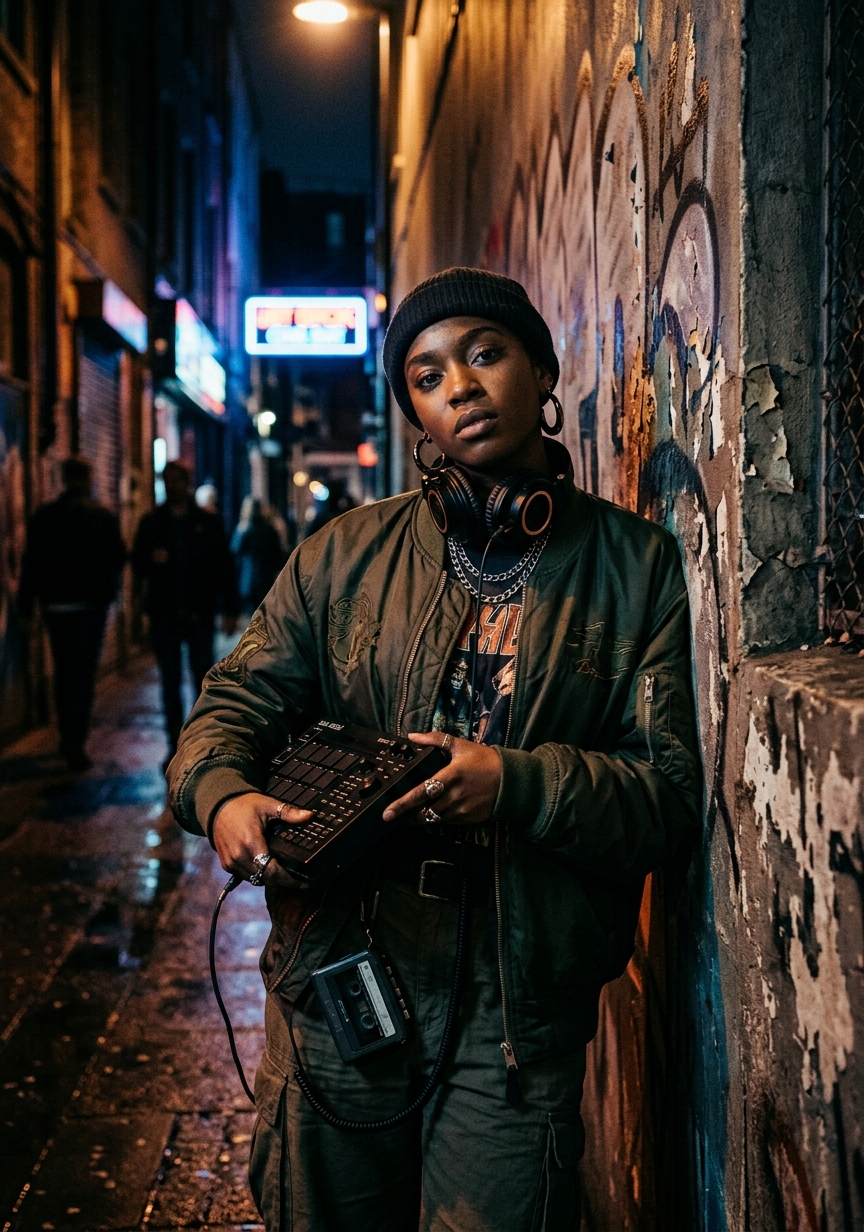
The five core elements are not mythology. They are MCing, DJing, breakdancing, graffiti writing, and knowledge of self — and each one carries its own universe inside it. MCing gave the voiceless a microphone and turned street corners into stages. From the battle cyphers of Harlem to the stadium-filling headliners of today, the MC's job has always been the same: say something true, say it with rhythm, and make the room feel it in the chest. DJing is the engine room — the crate digger, the turntablist, the architect of the sonic landscape that everything else lives on top of. Without the DJ there is no beat drop, no sample flip, no moment where time briefly stops and the crowd becomes one organism.
 Hip Vodka Island life
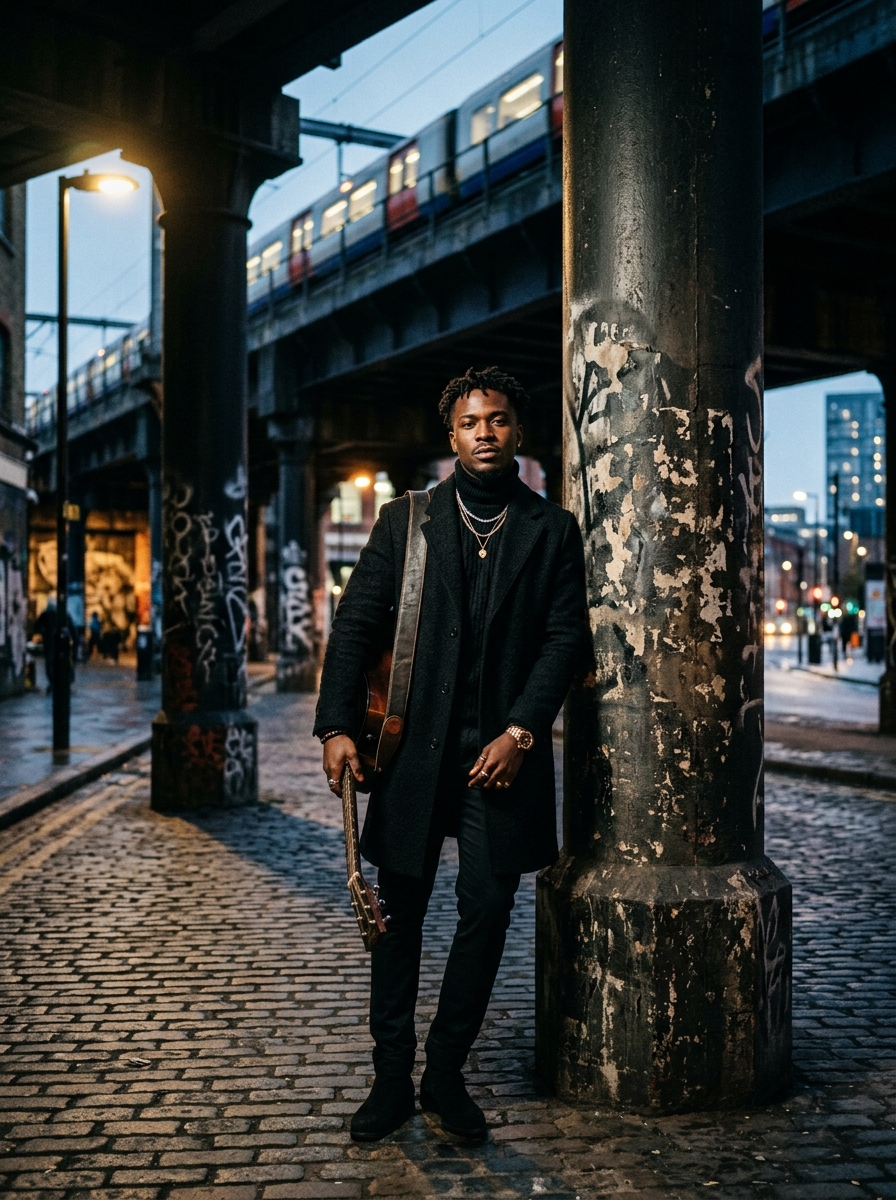
 Breaking — don't call it breakdancing if you want to be taken seriously — is where the body becomes the instrument. Born on the same Bronx block party floors as the music itself, breaking is athleticism fused with improvisation, competition disguised as art. The cipher is democratic: anyone who steps in has to bring something real or get eaten alive. It traveled from community centers to Paris runways to the 2024 Paris Olympics stage, but the core transaction never changed — you either move the crowd or you don't. Graffiti writing runs parallel, transforming concrete into canvas and transit systems into rolling galleries. The tags, the throw-ups, the full production murals — they were never just vandalism. They were signatures on a city that refused to acknowledge the people who lived in it.
The fifth element is the one that separates hip-hop from every other genre on earth. Knowledge of self — rooted in the teachings of the Five Percenters, amplified by figures like Afrika Bambaataa and the Universal Zulu Nation — is the philosophical spine of the whole operation. It demands that the culture mean something, that artists think critically about who they are, where they come from, and what they put into the world. It is why hip-hop has produced more political consciousness per square inch than almost any other art form in modern history. From Chuck D treating rap like a Black CNN to Kendrick Lamar turning a Compton upbringing into a Pulitzer Prize, the knowledge element has always pushed the culture toward accountability.
What makes hip-hop's foundation different from every other cultural movement is that the elements reinforce each other — pull one out and the whole structure shifts. The MC needs the DJ. The b-boy needs the MC. The writer needs the walls the city tried to keep clean. The knowledge holds it all together and reminds everyone why they showed up in the first place. Fifty-plus years in, with hip-hop now the most consumed music genre on the planet, the pillars are still standing. Not because the industry decided to preserve them, but because the culture itself refused to let them fall. That's not nostalgia. That's architecture.