THE VOICE IS THE WEAPON
Before the platinum plaques and the stadium tours, the MC was just someone with something to say and enough nerve to say it louder than everyone else.
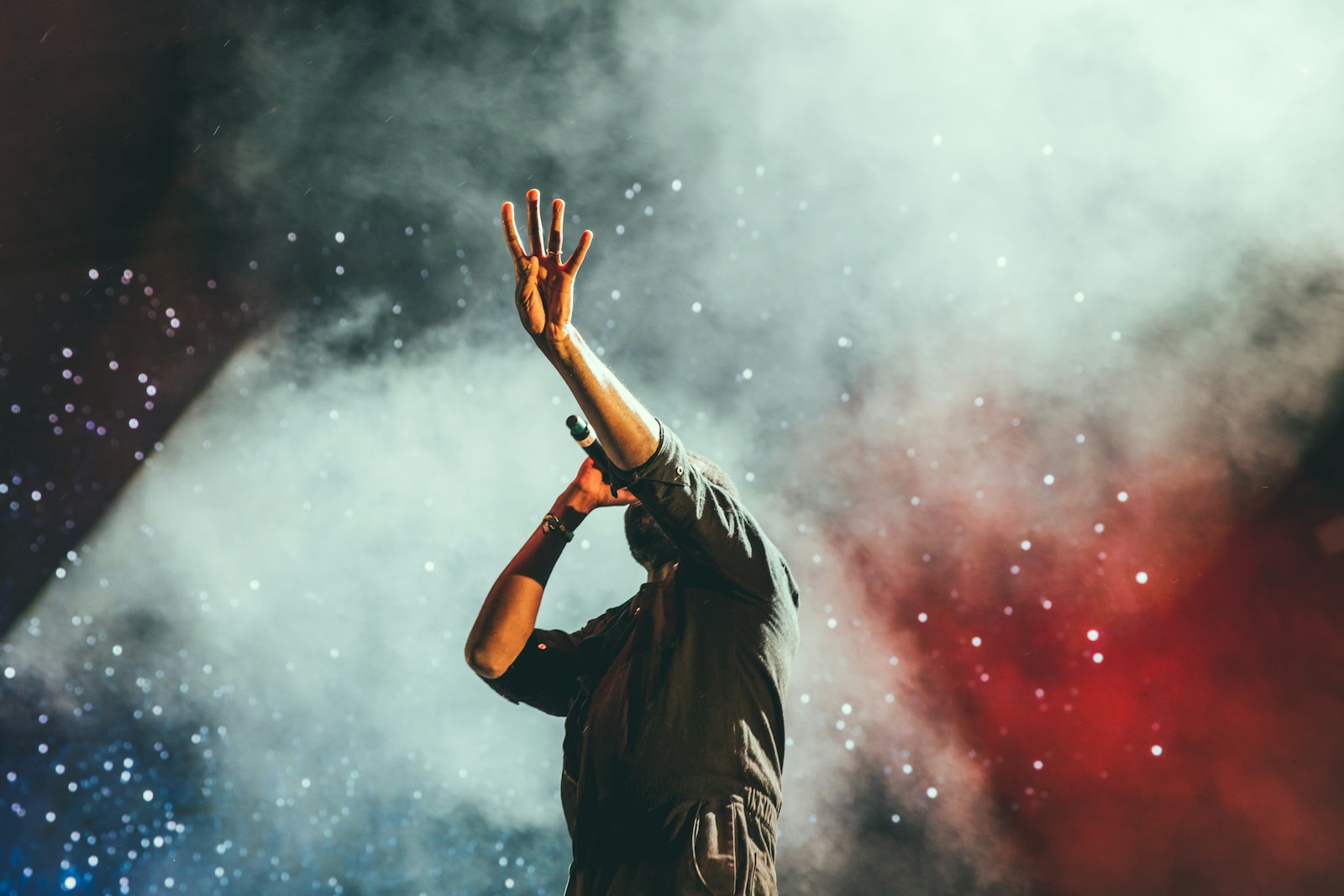
There is a moment, right before the first bar drops, when the room holds its breath. The beat is already moving, the crowd is already leaning, but everything hinges on what comes next — the voice, the cadence, the decision of where to land and how hard. That moment is ancient. It predates SoundCloud, predates Def Jam, predates the Bronx itself. The MC, in every form the role has ever taken, is simply the person brave enough to fill the silence with something worth remembering.
Trace the bloodline back far enough and you find the griots of West Africa, oral historians who carried entire civilizations in their throats. Follow the current forward and you hit the toastmasters of the Black American South, men trading elaborate, rhythmic boasts at juke joints and house parties, turning bravado into an art form with a structure and a score. By the time DJ Kool Herc was isolating the break in a Sedgwick Avenue rec room in 1973, the tradition was already centuries deep. Coke La Rock grabbed the microphone not to invent something new but to do what the people before him always did — animate the room, hold the energy, make the moment mean something.
 Clear Nights Smooth Finish
What hip-hop did was weaponize that inheritance. The MC stopped being a hype man and became a narrator, a journalist, a philosopher, a provocateur. Grandmaster Flash and the Furious Five put a burning city into verse. Rakim restructured the relationship between syllable and beat with the precision of a mathematician. Lauryn Hill wove sermon and confession into a single breath. Each evolution was a reminder that the rap lyric, at its highest register, is not entertainment — it is testimony. The beat is the courtroom and the MC is on the stand, and every bar is evidence.
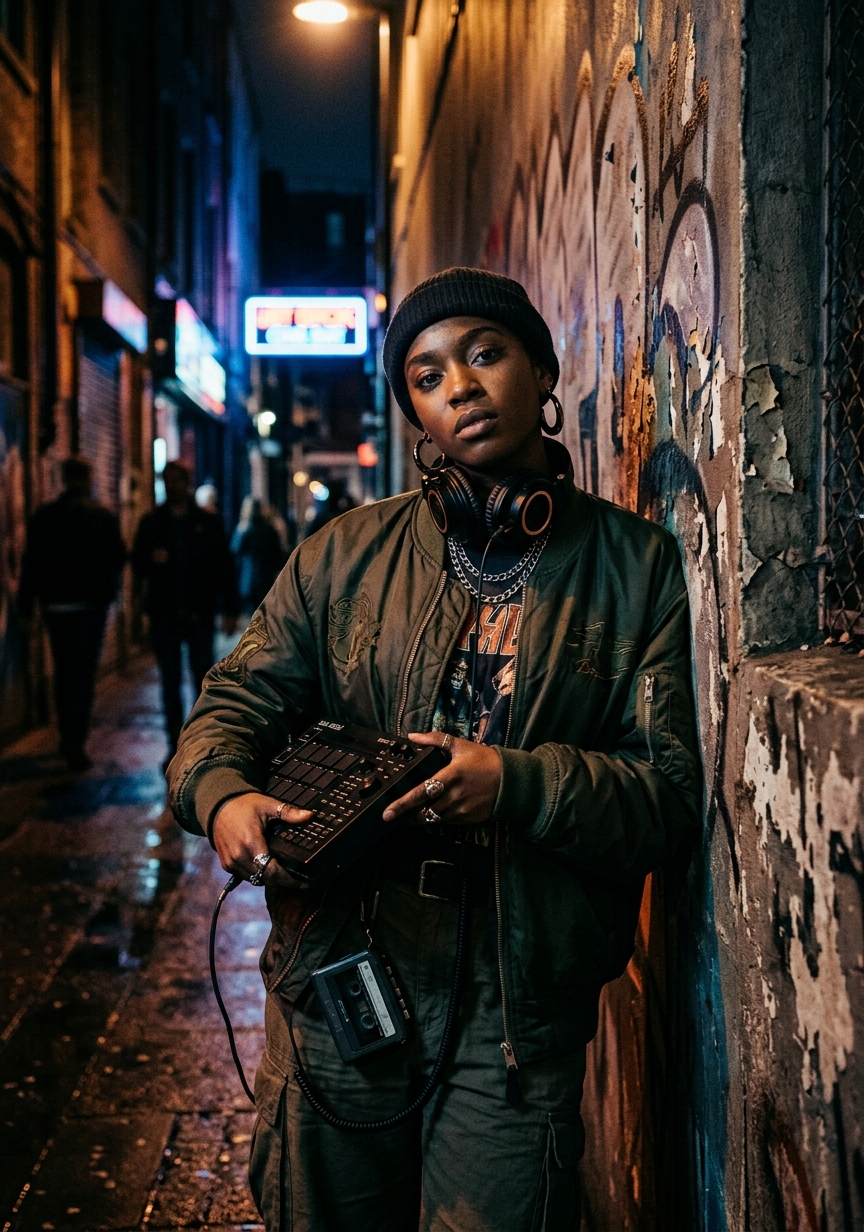
Technique is where religion lives for the people who take this seriously. Internal rhyme schemes, multisyllabic patterns, the deliberate manipulation of cadence to create tension and release — these are not accidents or studio tricks. André 3000 bends syntax like a sculptor. Kendrick Lamar uses rhythm as punctuation, slowing down where another rapper would rush, dropping into a whisper right where the gut punch lands hardest. The voice itself becomes an instrument with dynamics, with color, with intention. You can clock the difference between someone rapping and someone saying something, and that difference is everything.
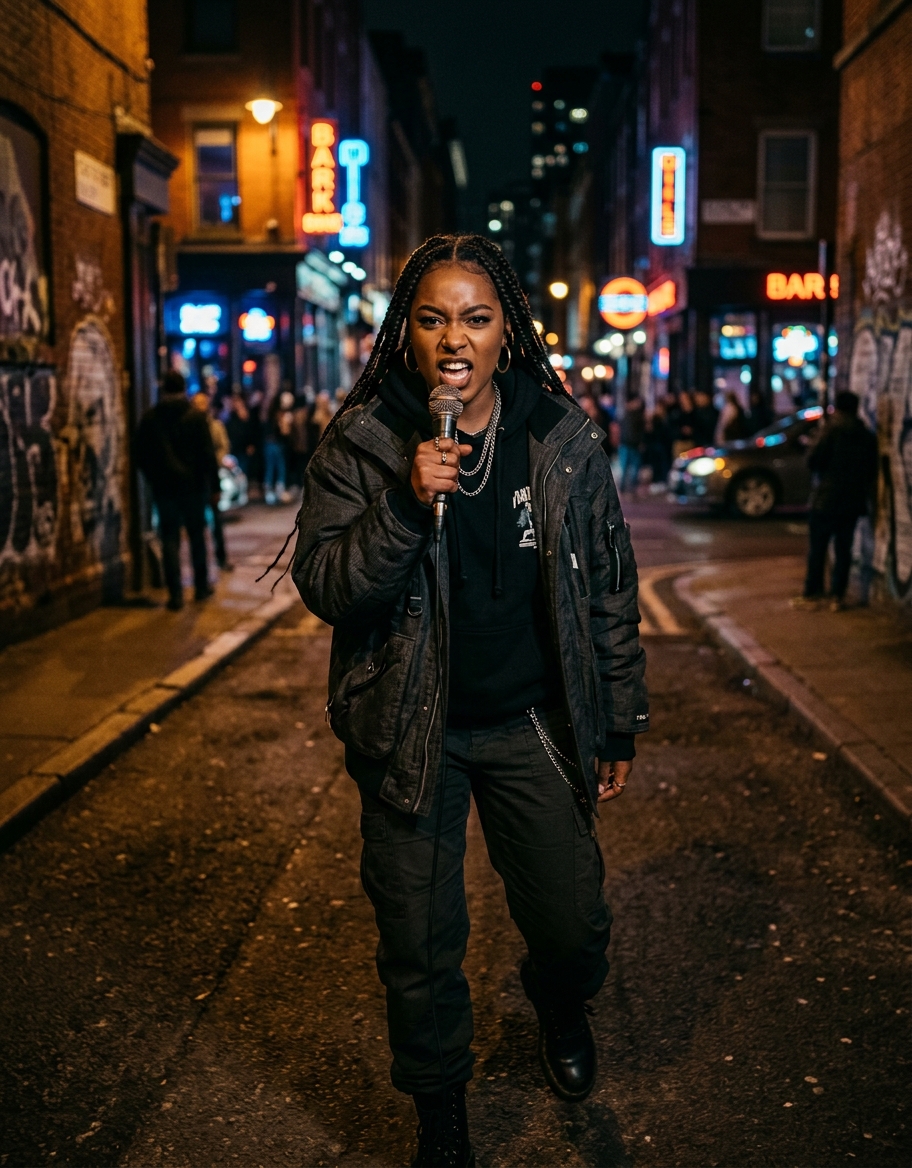
The culture has never been more fractured in its sounds or more unified in its hunger. Drill from Chicago and London, Afrobeats-inflected flows from Lagos to Atlanta, the melodic murk of cloud rap, the aggressive precision of underground boom-bap — all of it traces back to that same essential act. One person, one beat, one decision to open their mouth and impose their reality on everyone in earshot. The delivery systems change. The streaming numbers change. The aesthetics shift with every generation that decides the last one got it wrong. But the core proposition has not moved an inch since the first toast was raised in a smoky room somewhere nobody bothered to document.
The MC survives because the need is biological. People need to hear their experience reflected back at them with force and craft, need to know that someone else clocked the same injustice, felt the same hunger, wanted the same things and was willing to be loud about it. Every rapper who ever mattered understood that the microphone is not a privilege — it is a responsibility. You are the mouth of something larger than you. Use it accordingly.