Nike Fell Off Because They Forgot Who Laced Them Up
The swoosh chased the algorithm and lost the block, and now Wall Street is sweating what the streets already knew.
Nike stock is bleeding. Down bad in a way that makes analysts nervous and shareholders reach for antacids. The headlines blame macroeconomics, inventory gluts, China slowdowns, and leadership shake-ups. All valid. All beside the point. The real story isn't in the quarterly earnings call — it's in the empty display cases at your neighborhood sneaker spot and the deafening silence where hype used to live. Nike didn't get disrupted by a competitor. They disrupted themselves, and the culture watched it happen in slow motion while corporate celebrated.
The direct-to-consumer pivot sounded brilliant in a boardroom. Cut out the retailer, own the relationship, stack the margin. Nike went scorched earth on its wholesale partners — Foot Locker, boutiques, mom-and-pop sneaker institutions — chasing a digital future that looked clean on a slide deck. But what they amputated wasn't just a distribution channel. They cut the nerve endings. The local shoe store wasn't just a transaction point. It was church. It was the place where a 17-year-old kid who knew every colorway, every release date, every obscure collab became the most powerful marketing force money couldn't buy. Those people didn't work for Nike. They worked for the culture. And the culture is not on your app.
 Clear Nights Smooth Finish
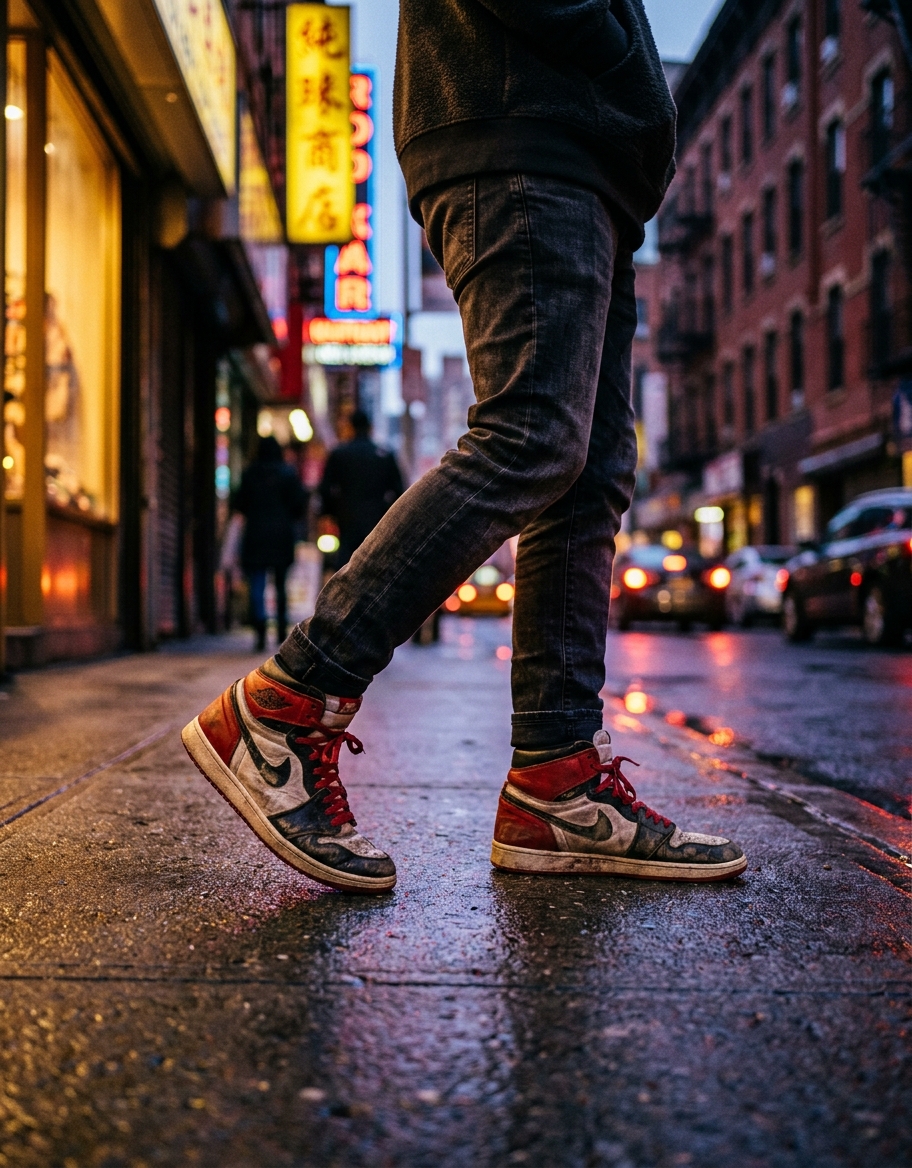
The sneaker collector market, the resell ecosystem, the lore around a limited drop — none of that was built in Beaverton, Oregon. It was built on Flatbush Avenue, on Crenshaw, on Devon Street in Chicago, in the back of Houston shops where the guy behind the counter remembered your size and your style. These weren't store clerks. These were brand priests. They converted civilians into loyalists and turned loyalists into evangelists. They moved product with a cosign that no Instagram ad has ever replicated. Nike built a billion-dollar religion and then decided it didn't need the congregation anymore. That is not a business strategy. That is arrogance wearing a hoodie.
Here's what nobody in the C-suite was paying attention to: the culture always holds the receipts. Hip-hop built the mythology of the Air Force 1, the Jordan line, the Dunk. Athletes gave it credibility, but the streets gave it meaning. And the streets have a long memory and zero loyalty to ingratitude. When New Balance started showing up in rap verses and on the feet of people who move taste for a living, that wasn't a trend. That was a verdict. When Salehe Bembury turned Crocs into a cultural statement and Adidas Sambas took over every city block without a single mega-budget campaign, the message was loud: the throne is always available to whoever respects the culture enough to show up for it.
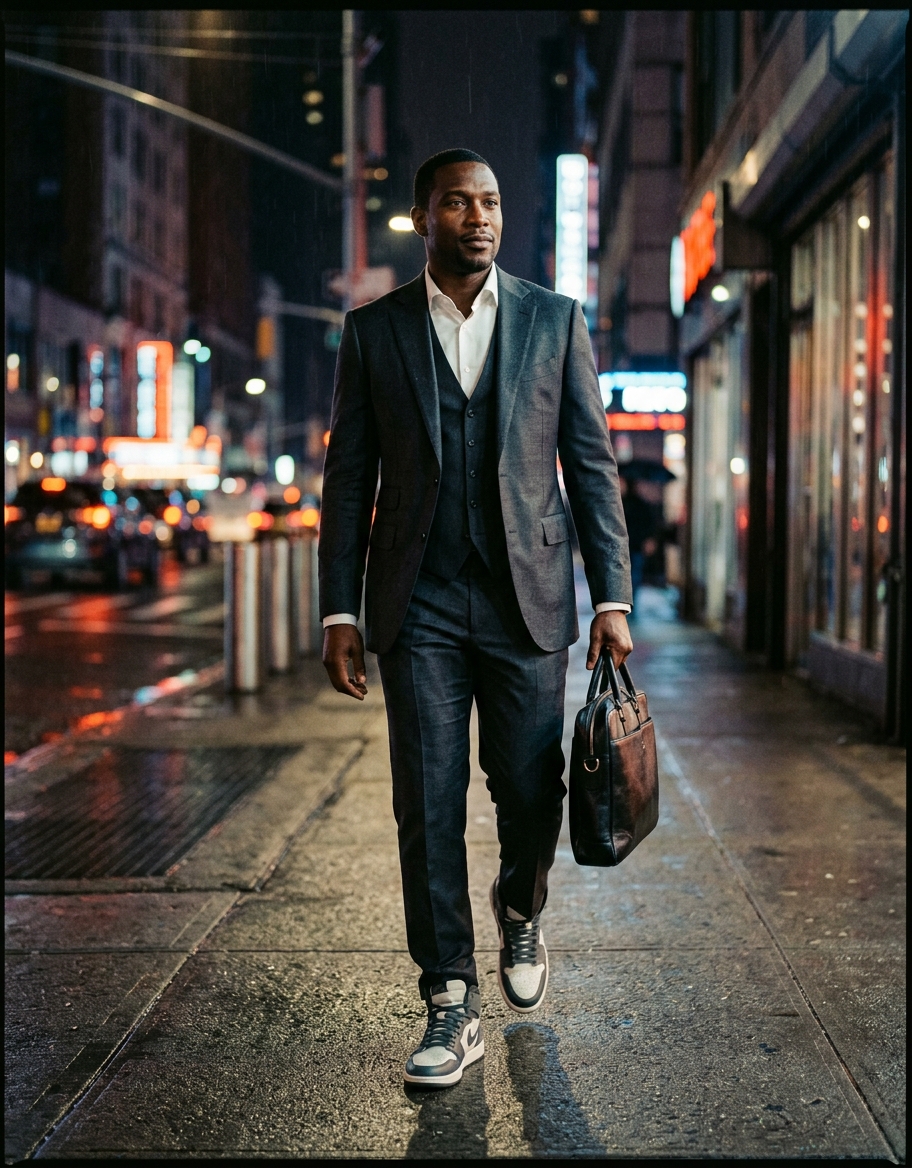
Nike's e-commerce bet assumed that data could replace relationships. That an algorithm could replace the homie at the shop who called you when the right pair came in. It cannot. It never will. The most powerful commerce in sneaker culture has always looked informal — a text, a handshake, a layaway held on faith. The money in this world has never worn a three-piece suit. It wears a work uniform and a pair of joints you can't find online. It runs a group chat. It posts on forums at 2 a.m. It is not impressed by a brand's app experience. It is impressed by whether a brand still acts like it remembers where it came from.
Nike can recover. The infrastructure, the IP, the athlete relationships — all still formidable. But the correction isn't going to come from a new CEO memo or a re-engagement strategy drafted by a consulting firm. It's going to come from someone at Nike being humble enough to walk back into the stores they abandoned, look the people they dismissed in the eye, and rebuild what got torched. The culture disruption came full circle because it always does. The streets are patient, but they are not forgiving. You either stay in relationship with the people who built your legend, or you become a cautionary tale they reference while rocking something else.